Make talent quality your leading analytic with skills-based hiring solution.
A skill gap analysis compares the skills your workforce has today against the skills it will need going forward, then turns that gap into a concrete plan for upskilling, internal mobility, or targeted hiring. According to the 2025 Glider AI and Lighthouse Research and Advisory Skills Report, nearly 60 percent of employers say the skills required for roles in their organization have changed significantly over the past two years, driven largely by generative AI. Without a structured way to track that shift, hiring and training decisions end up reactive instead of planned.
Glider AI’s approach to skill gap analysis pairs AI driven assessments with real workforce data, so the gaps you find are backed by evidence rather than manager intuition or self reported surveys.
Workforce skills often drift out of alignment with business needs faster than job descriptions get updated. The 2025 Skills Report found that employees who trust their employer’s ability to develop their skills are 40 percent less likely to plan to quit, which makes skill gap analysis as much a retention tool as a workforce planning one.
A skill gap analysis works best as a repeatable process, not a one time audit. Five steps cover most organizations:
Once the gaps are documented, the data itself becomes a planning tool rather than a one off report:
If a specific role is open right now and the question is whether to fill it internally or go external, a skill gap analysis run at the team level can answer that before a requisition goes out — see our guide on running a skills gap analysis before you hire for that narrower, role specific version of the process.
Not every skills platform measures up once you move past the sales pitch. Three things are worth checking before committing to one:
Many tools rely on subjective self assessments or generic, out of the box skills data, which produces inaccurate results. Look for AI powered skill validation that tests real world capability, proficiency based evaluation rather than self reported ratings, and assessments built for the specific role rather than a generic competency list. Glider AI’s validated assessments are built to measure actual demonstrated skill, not how a candidate or employee rates themselves.
Identifying a skill gap is only useful if it connects to a way to close it. Look for automated learning recommendations tied directly to assessment results and compatibility with existing learning and development tools such as Docebo or SAP SuccessFactors Learning. Glider AI’s assessment data is built to feed directly into those learning recommendations rather than sitting in a standalone report.
Most skill gap tools stop at training and ignore internal mobility. Look for career pathing that aligns employees with future roles based on their assessed skills, plus mobility tracking that feeds succession planning rather than living in a separate system. Glider AI connects skill gap data to workforce planning so HR leaders can see where talent needs are coming and fill roles from within before they turn into urgent external searches.
What is a skill gap analysis?
A skill gap analysis is a structured comparison between the skills your current workforce has and the skills your organization will need, used to guide upskilling, internal mobility, and hiring decisions.
How often should a company run a skill gap analysis?
Most organizations benefit from revisiting the analysis quarterly, or whenever a major shift in business priorities, technology, or team structure changes what “skilled” means for a role.
What is the difference between a skill gap analysis and a hiring needs assessment?
A skill gap analysis looks at your existing workforce’s capabilities against future needs across the whole organization, while a hiring needs assessment is usually narrower and role specific, used to decide whether one open position should be filled internally or externally.
How do you measure the skills employees actually have, rather than what they claim to have?
Proficiency based, AI driven assessments and real world simulations produce a more reliable picture than self reported surveys or resume keywords, since they test what an employee can actually do rather than what they say they can do.
Glider’s recruitment and assessment platform is built on the mission of “competency over credentials.” Access thousands of pre built, AI driven skill assessments across hundreds of competencies to measure real capability across your workforce, not just self reported skill.
Go ahead and start closing your organization’s skill gaps with Glider AI today!
Hiring is broken. Not because companies lack tools or effort, but because the signals used to make decisions can’t be trusted. Resumes are inflated, interviews are inconsistent, and now AI has made it even easier for candidates to generate answers, code, and even entire personas on demand. At the same time, the industry is moving […]
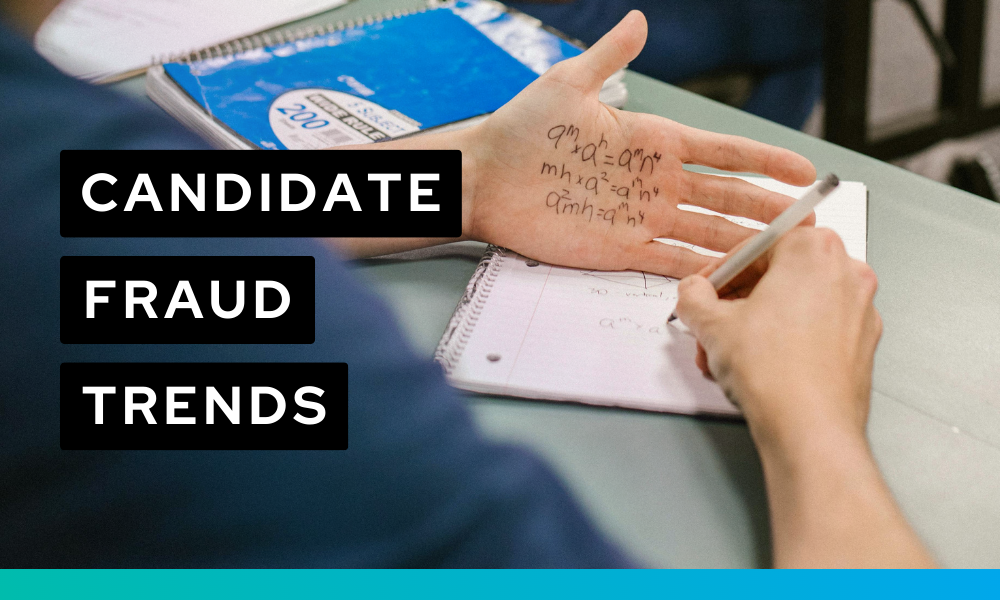
Fraud in hiring doesn’t fade because you catch it. It fades when you make it pointless. Across millions of Glider AI validated technical assessments conducted over multiple years, one pattern stands out: And it matters now. Investigations by The Wall Street Journal and Bloomberg recently exposed how remote workers using stolen identities embedded themselves inside […]
The year Skills based hiring became non-negotiable If 2025 proved anything, it is that the old way of hiring does not survive economic pressure. Budgets stayed tight. Headcount stayed constrained. Every hire had to justify itself quickly. At the same time, AI adoption accelerated faster than trust, governance, or data quality could keep up. For […]