Make talent quality your leading analytic with skills-based hiring solution.
Do you know measuring a candidate’s cognitive abilities is one of the critical candidate assessment tools? A behavioral assessment test is a psychological tool used to observe, describe, explain, and predict behavior. This is done to measure and calculate the various factors of behavior that measure a candidate’s cognitive abilities. Hence, recruiters must never get carried away by a resume alone.
As one of the candidate assessment tools, a behavioral test is done to portray the mindset of the person under study, to depict what he does and why he does it, especially in his work environment. Mainly, behavioral assessment is conducted through functional analysis. Anomalies related to hyperactivity, aggression, low attention span, peer relationship problems, etc., are all studied through behavioral assessments.
In the words of Kyle Lagunas, Head of Talent Attraction at General Motors, “Behavioral assessment is a systematic evaluation of a candidate’s personality profiles used to gauge the viability of a candidate based on things like culture fit, work style, and potential.”
Functional Behavioral Assessment (FBA) is carried out to evaluate the ‘why’, ‘what’, and ‘how’ of the behavioral changes of individuals. It is a part of the candidate assessment tools, that helps determine the underlying characteristics of behavior. FBA is done to clarify the behavioral changes that remain inaccessible to the normal eye. A specialist conducts a function behavioural assessment test by putting the individual in different situations to study the changes according to the situation. This type of assessment may also include background checks, family interviews, etc.
Companies all around the world carry out behavioral assessments to make better hiring processes, especially during the interview phase to weed out the most appropriate candidate. Interviewers estimate the candidate’s problem-solving skills, cultural fitness, strengths, and weaknesses, etc., through different behavioral candidate assessment tools and estimate their influence on the work environment.
Behavioral assessments offer valuable insights. Resolving the behavioral issue is the main agenda behind these kinds of candidate assessment tools. Reaching the base of the behavior and rectifying any anomaly that causes the behavior to change is the basic purpose of such an assessment.
Candidates and their behavior are the two faces of the same coin. That’s why candidate assessment tools evaluate a great deal of behavior types. Broadly, they are divided into 5 types:
There are 6 functions of behavior which in turn are used in candidate assessment tools and evaluations. They are :
These functions of behavior are the bases of the behavioral assessment tests. A behavioral specialist identifies each function with the help of the ABC of candidate assessment tools. This theory defines the 3 pivotal parts of behavior and helps identify the phases and changes.
Psychologists have divided a person’s behavior or personality into 5 traits. Popularly called the Big Five, they are abbreviated into OCEAN or CANOE. These 5 traits are:
According to Hans Eysenck’s “Theory of Personality”, neuroticism is interlinked with a low tolerance for stressful situations.
Hiring a candidate requires a lot of time and dedication. A wrong candidate means a wrong investment for the company. Along with the educational and technical skills, a candidate should have the right set of mind. The candidate should be an ideal person who can shape his character in the working environment of the company and can generate a healthy relationship with his colleagues.
Behavioral assessment helps in determining the personality of the candidates so that the right talent quality can be selected for the company. Thus the benefits of behavioral assessment tests are multifold. That’s why they are an integral part of candidate assessment tools.
Psychologists execute various techniques to evaluate the personality of a person. Some of those common techniques have also made their way into candidate assessment tools:
Behavioral assessment tests help in determining the personality of a person. As an integral part of the candidate assessment tools, it tailors the characteristics of an individual and the range of traits he/she possesses. Can Machine Learning measure a candidate’s cognitive ability? YES!
For a company, behavioral assessment tests are a must as it would help in the selection of suitable candidates. To learn more about Glider AI’s candidate assessment tools and how they help you find the right talent, click here.
Profile” for the position. Identify the core competencies such as leadership, adaptability, or conflict resolution that are essential for success in that role. Your assessment questions should then be mapped directly to these specific competencies.
Behavioral assessments are most effective during the middle or final stages of the recruitment process. Once you have verified that a candidate possesses the necessary technical skills (via resumes or skills tests), the behavioral assessment helps determine if they have the soft skills and temperament to thrive in your company culture.
To avoid “gut feeling” hiring, use a standardized scoring rubric. Define what a “poor,” “average,” and “excellent” answer looks like for each question before the interview begins. This ensures every candidate is measured against the same objective criteria.
Traditional interviews often rely on “what would you do” questions, which allow candidates to give idealized or theoretical answers. Behavioral assessments ask “what did you do,” forcing candidates to provide concrete evidence of their skills, experience, and decision-making processes.
Yes, behavioral assessments can be biased if they are not scientifically validated or are designed around narrow cultural and communication norms. However, structured and job-relevant assessments often reduce bias more effectively than traditional interviews or resume screening.

Technical skills assessments have become the foundation of modern engineering hiring. Yet just a few years ago, most technical hiring teams still relied heavily on resumes, recruiter screenings, and live whiteboard interviews to evaluate engineers. While common, these methods were often slow, inconsistent, and prone to favouring candidates who performed well in interviews rather than […]
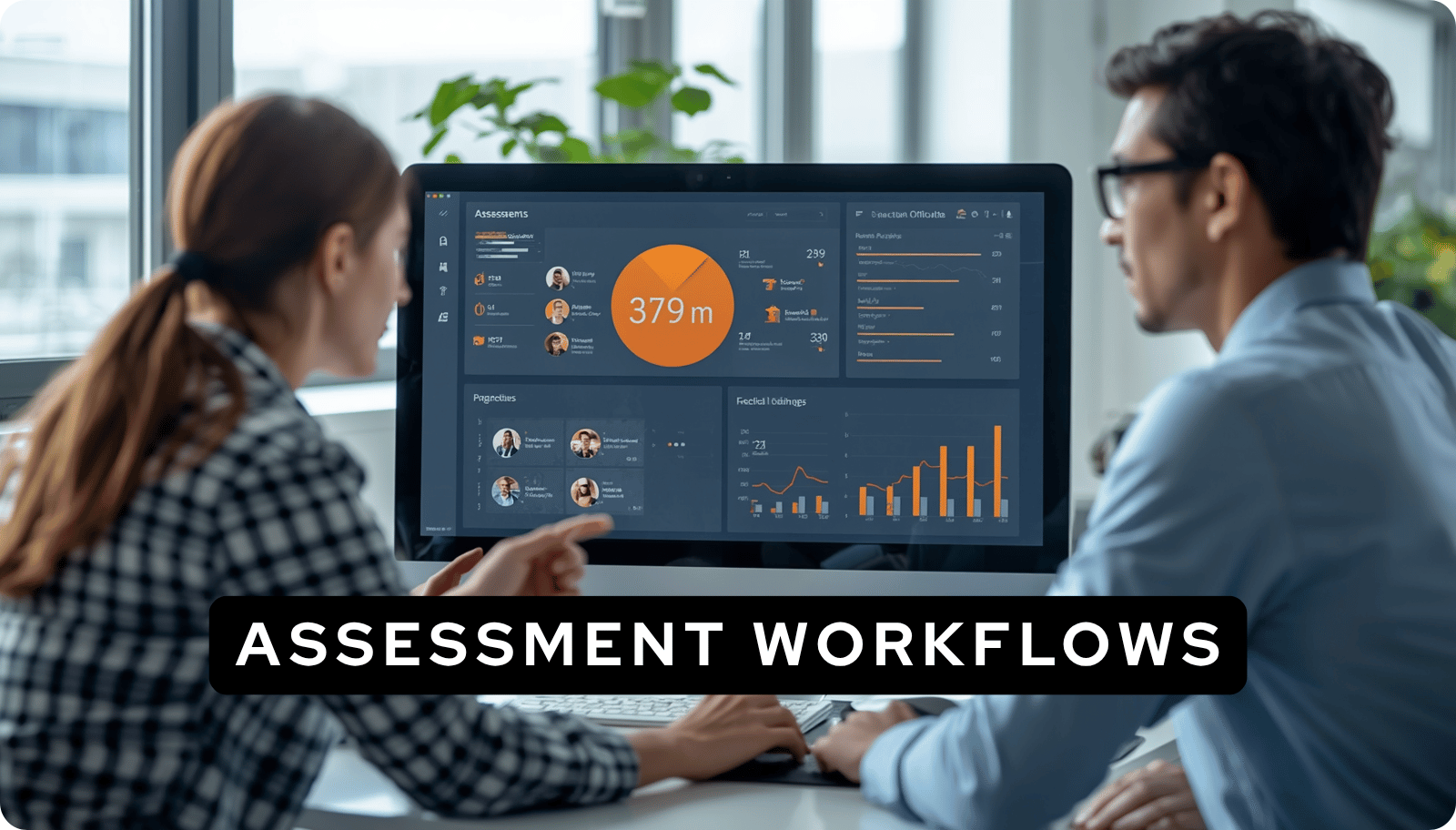
Skills assessments are is often treated as a single step in the hiring process. In reality, they run through the entire hiring workflow. They appear in different forms depending on the hiring stage, the role being evaluated, and the level of hiring risk a team is willing to take. If you look at the broader […]
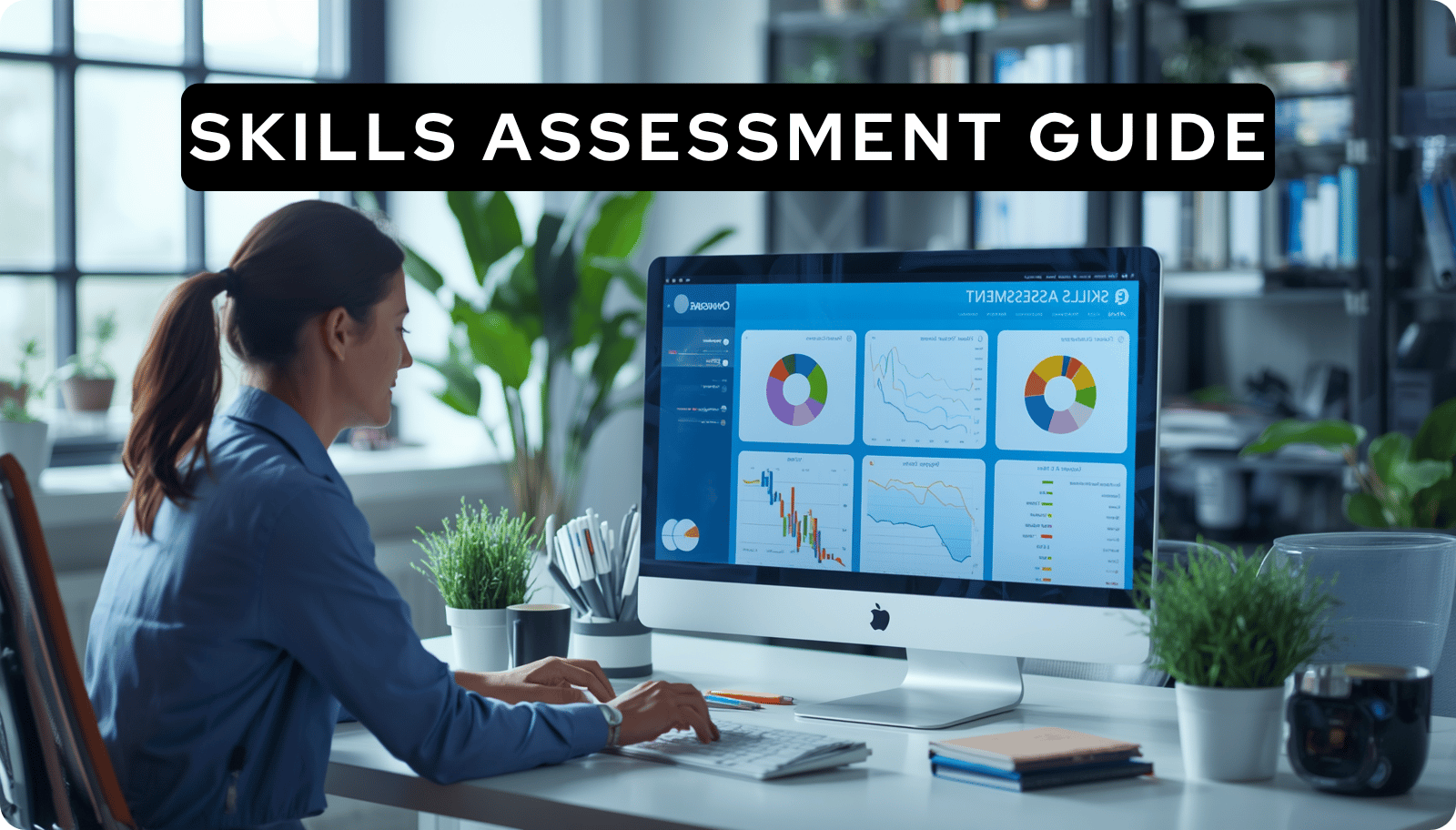
Why Skills Assessment Has Become a Hiring Priority Hiring teams are not struggling because they lack candidates. They are struggling because traditional hiring signals no longer predict performance reliably enough. A polished resume does not guarantee execution. Strong interview performance does not always translate into strong on-the-job performance. And as hiring volumes grow, these gaps […]