Make talent quality your leading analytic with skills-based hiring solution.
Built from common patterns seen across multiple manufacturing hiring environments.
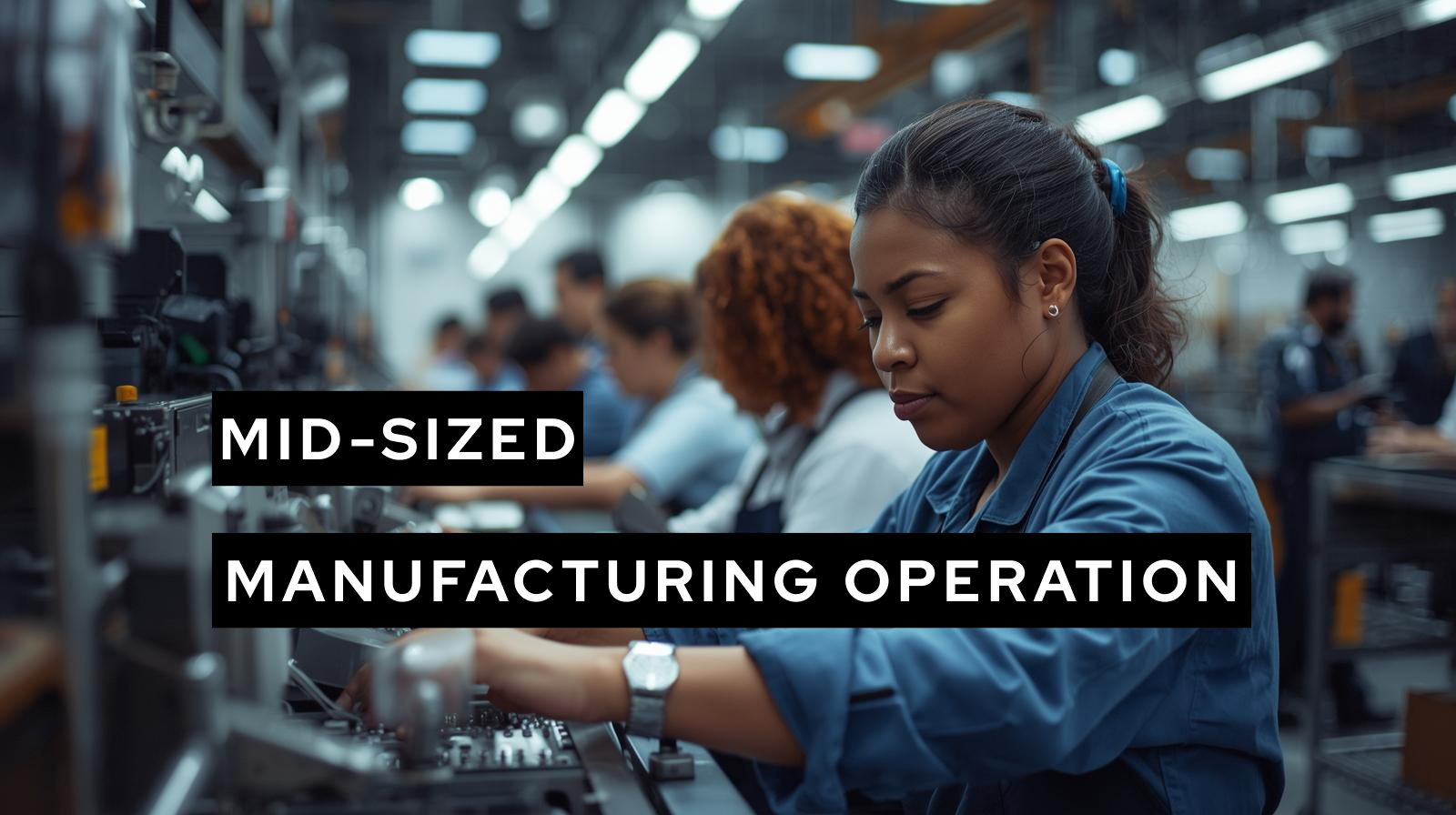
A mid-sized manufacturer operating multiple production lines across two plants was facing growing pressure to keep skilled roles filled.
Seasonal demand swings made staffing unpredictable. Downtime was expensive. Supervisors were measured on output, quality, and safety, not on how smoothly hiring ran.
Yet many hiring processes had barely changed.
Critical roles like machine operators, CNC technicians, quality inspectors, maintenance staff, and automation support positions often stayed open longer than planned. Interview schedules slipped because production issues took priority. Candidates accepted offers but dropped out before joining. Some new hires arrived and struggled within weeks.
At first, these looked like common labor market problems.
Not enough candidates. Rising wage pressure. Tough competition.
But after reviewing six months of hiring performance, the plant HR lead and operations head saw something deeper.
The issue was not just candidate supply.
It was how skills were being evaluated.
Several recurring patterns stood out:
One turning point pushed the issue into focus.
After losing several CNC hires within weeks and seeing repeated interview rounds fail for the same operator role, leadership recognized the problem was no longer isolated hiring friction. It was affecting production continuity.
The review identified four issues underneath the visible symptoms.
Resumes listed machines, tools, and years of experience but gave little evidence of actual operating capability.
Each supervisor had a different definition of what “qualified” meant. Hiring decisions often relied on instinct.
When a line was short-staffed, urgency often drove decisions more than readiness.
Training performance and on-the-job competence were tracked locally, but those insights were not informing who got hired next.
Rather than redesigning recruitment end to end, the team started small.
They selected three high-volume roles and worked with senior operators and supervisors to define what “ready to perform” meant in practical skill terms.
For machine operators, that included:
A structured pre-interview skills assessment was introduced to evaluate those areas. The assessments were delivered using Glider AI as one enabling platform.
The goal was not to replace interviews.
It was to make interviews better.
Candidates reaching supervisors would already have demonstrated baseline role readiness.
That changed the interview itself.
Instead of spending time validating fundamentals, supervisors began discussing real work scenarios, production trade-offs, and problem response.
The interview became an extension of validation, not the only validation step.
While labor constraints did not disappear, the team reported measurable improvements.
Area Before After Screening Resume-led Skills-validated Interviews Inconsistent Structured Shortlists Large, weak fit Smaller, stronger fit Hiring decisions: urgency-driven Readiness-informed ramp-up: unpredictable, more stable
The immediate improvement was interview efficiency.
Supervisors spent less time on candidates who lacked core readiness. HR sent fewer profiles but stronger ones.
That reduced wasted interview cycles.
Alignment also improved.
HR and plant teams began using a shared language around skill requirements instead of relying on subjective feedback like “not hands-on enough.”
That made selection decisions faster and reduced rework.
Most importantly, early performance stabilized.
New hires still needed training, but supervisors reported fewer surprises once people reached the floor.
That mattered more than simply filling requisitions.
This reflects something many manufacturing leaders recognize quietly.
Hiring challenges in manufacturing are not driven only by labor shortages.
They are often worsened by how skills are defined, measured, and discussed internally.
When hiring depends heavily on informal judgment and operational urgency, the system tends to produce delays, rework, and performance gaps.
A skills-first approach does not remove every workforce challenge.
But it can create something many operations teams lack.
Clarity before hiring decisions are made.
And in today’s manufacturing environment, that clarity can have measurable operational value.
TL;DR The world’s largest e-commerce company expanded its Global Customer Care operations into Australia and Europe, hiring nearly 5,000 multilingual associates with Glider AI. By focusing on high volume recruiting powered by AI proctored assessments, the company cut time-to-hire in half, boosted talent quality by 67 percent, and strengthened its global retail recruiting process. -> […]
TL;DR One of the largest multinational financial institutions faced rising levels of candidate fraud during its remote technical bank recruiting drives. In partnership with Pontoon and Glider AI, the bank reimagined its recruiting process with AI-powered skill assessments, proctoring, and identity verification. The new skills-based hiring model cut fraudulent applicants by nearly a quarter, saved […]
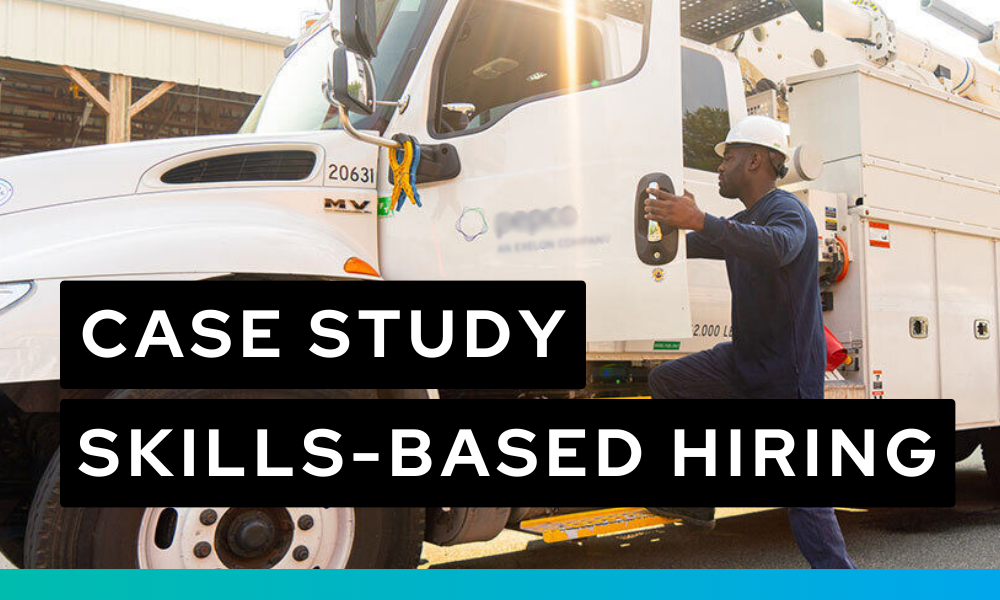
TL;DR One of the largest utility providers in the United States partnered with Pontoon and Glider AI to modernize hiring for its high-volume customer care program. The company first introduced skill assessments to ensure candidates had the right capabilities before moving forward. While this improved candidate alignment, in-person interview no-shows still caused delays and wasted […]