Make talent quality your leading analytic with skills-based hiring solution.
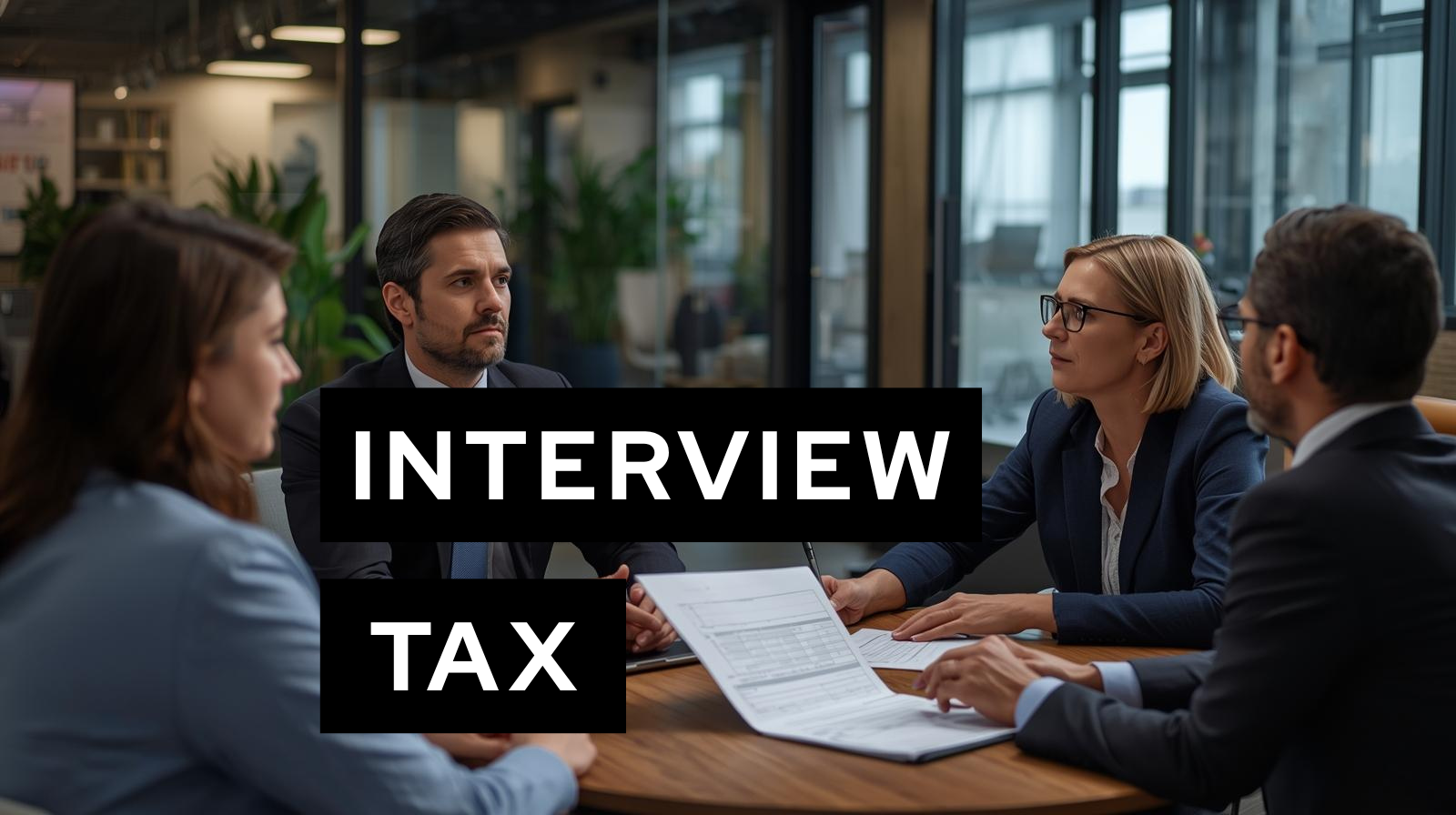
Interviewing is necessary for hiring, but it comes with hidden costs that most organizations never calculate. A manager loses an hour every time they spend time with an unqualified candidate or conduct additional unnecessary interviews. This invisible burden is often called the “Interview Tax”, and while it’s rarely discussed in formal reports, it quietly drains time, productivity, and resources.
This blog explains what Interview tax in hiring is, the different ways it shows up, and how companies can reduce it with skills-first screening.
Interview tax is the lost time and productivity when hiring teams interview candidates who are not a fit. It adds direct costs for managers and recruiters, and risks losing top talent to slow or inefficient processes.
Interview tax shows up in several ways that affect both the business and the candidate experience:
Recruiters, managers, and interviewers often spend hours with candidates who do not move forward. These hours take time away from strategic or revenue-generating work.
Employees who take part in interview panels or technical reviews are pulled away from their primary responsibilities. This slows down projects and reduces team output.
Unqualified candidates in the pipeline stretch the process longer. Open roles stay vacant, which impacts business performance and slows down growth.
When candidates go through too many interview rounds or a poorly structured process, they often walk away. Talented candidates are more likely to accept offers from employers with smoother, faster hiring experiences.
Interview tax may seem invisible, but it has clear consequences:
When left unchecked, interview tax erodes the efficiency and credibility of the hiring process.
The most effective way to reduce interview tax is to ensure only qualified candidates move forward in the hiring process. Organizations can do this by:
By addressing these areas, companies can cut down on wasted time, improve productivity, and create a smoother candidate experience.
GLIDER.ai makes it easy for hiring teams to minimize interview tax by validating skills before the interview stage. With GLIDER.ai, organizations can:
This ensures only qualified, job-ready candidates reach interviews, saving valuable time and reducing the hidden costs of hiring.
As more organizations turn to data-driven and AI-powered assessments, interview tax will decline. Teams will spend interview time only with candidates who are already proven to be qualified. This creates a better experience for candidates and ensures managers focus on meaningful conversations, not repetitive screening.
Interview tax is the hidden cost of hiring. It drains time from managers, slows down business, and pushes good candidates away. While it is often ignored, it has real consequences on both hiring outcomes and productivity.
By adopting a skills-first approach and using Glider.ai’s products, organizations can make sure only the right candidates enter the interview stage. This reduces wasted time and helps teams hire faster and with more confidence.
1. Is the “Interview Tax” a greater problem for high-volume roles or specialized senior roles?
The tax hurts both, just in different ways. For high-volume roles, the cost is due to scale (many small time drains multiplied by thousands of candidates). For senior roles, the cost is due to value (the high salary and critical nature of the senior employee whose time is wasted or whose seat remains vacant).
2. What is the greatest psychological cost of the interview tax on interviewers?
Interviewer fatigue and cynicism. Constantly interviewing unqualified candidates leads to burnout, causes interviewers to mentally “check out,” and can lead them to be less engaged with even the top candidates who finally make it through.
3. What’s the core difference between a slow hiring process and an interview tax-ridden process?
A slow process is often caused by administrative bottlenecks (like approval steps). An interview tax-ridden process is caused by ineffective screening. The time is wasted on unnecessary activity (talking to the wrong people) because the initial gatekeepers failed.
4. How does a “skills-first” approach reduce bias while lowering the tax?
By moving from resume-based screening to objective, skills-based assessments, the process evaluates candidates purely on their ability to perform the job. This minimizes the influence of biased factors like university prestige or past employer names, making the hiring process both more efficient and equitable.
Recruiting has always been a field built on learning. Markets shift, candidate behavior changes, and hiring strategies evolve faster than most teams can document. That is one reason the HR podcast format has become valuable for recruiters looking to stay sharp. The best HR podcast for recruiters does more than fill time during a commute. […]
Recruiters often see change before it gets labeled a trend. A shift in candidate expectations. A hiring manager asking for different skills. Questions about AI, flexibility, or internal mobility showing up more often than they did a year ago. That is the future of work arriving in practical form. A strong HR podcast can help […]
Employee engagement is often framed as something that matters after hiring. Recruiters know it starts much earlier. It begins in the way roles are positioned, how expectations are set, and whether candidates are matched to the realities of the job. That is why an HR podcast about employee engagement can be surprisingly valuable for recruiting […]