
Make talent quality your leading analytic with skills-based hiring solution.
No longer relegated to science fiction, AI is now changing how companies train, reskill, and upskill their people. Yet many employers are still working out how to use AI effectively for workforce development without losing the human judgment, governance, and context that effective learning requires.
How do you take full advantage of AI-driven workforce development tools? In this blog, we discuss the benefits of AI-driven training, the challenges organizations need to manage, practical implementation strategies, and the workforce development trends likely to shape learning in the years ahead.
AI automation and AI-driven analytics can help identify skill gaps, analyze performance patterns, and align development priorities with business goals. Used responsibly, these technologies can help HR and learning teams understand which capabilities are missing and where targeted development can have the greatest impact.
They can also help organizations build more focused strategies for developing talent so that employees have the skills needed for changing roles, technologies, and business priorities.
Skills shortages remain a major concern for employers. While the original article cited a PwC report on CEO concerns about essential skills, the broader challenge remains the same: organizations need faster ways to identify capability gaps and prepare people for changing work.
AI-guided learning can analyze roles, skills data, performance signals, and training outcomes to identify gaps and recommend relevant development activities.
Traditional training can overlook differences in experience, learning pace, and existing knowledge. AI-enabled systems can adapt recommendations and learning paths based on learner progress and role requirements.
AI-powered learning platforms can help organizations deliver consistent development programs across larger, distributed workforces without relying only on classroom workshops.
When designed with accessibility in mind, AI-enabled learning systems can support different formats, assistive needs, languages, and learning preferences.
To take full advantage of AI-driven training, organizations should:
With these strategies, organizations can use AI as an enabler of workforce development rather than treating it as a replacement for human coaching, judgment, or organizational context.
AI-driven tools can identify skill gaps, organize learning resources, generate practice content, and deliver more personalized learning experiences. Organizations are also beginning to use AI to support skills inference, internal mobility, career-path recommendations, and more continuous development planning.
AI can analyze employee performance and skills data to recommend relevant courses or generate targeted learning activities. However, human review remains important to ensure that recommendations are accurate, fair, and aligned with actual job requirements.
Traditional workforce models often depend on fixed roles, formal training cycles, and location-based work. Companies can use AI automation and AI-enabled knowledge tools to support more flexible access to information, faster skills development, and more dynamic ways of organizing work.
AI-assisted search, translation, collaboration, and knowledge management can help distributed teams find relevant information faster and reduce some of the barriers created by geography or language.
AI can support more interactive learning through simulations, role-play, virtual reality, augmented reality, and real-time feedback. These approaches allow employees to practice scenarios in a controlled environment before applying skills in higher-risk real-world situations.
AI technology can help create more personalized development plans by considering an employee’s current skills, role requirements, prior learning, performance needs, and career goals. The objective is to make learning more relevant rather than simply delivering the same content to every employee.
Because AI-enabled learning may rely on employee skills, performance, behavioral, or usage data, organizations need clear governance, strong security controls, appropriate access permissions, and transparent data practices. Employees should understand what data is collected, why it is used, and how decisions are reviewed.
AI can support learning recommendations, practice, feedback, and content creation, but it does not replace the value of human mentorship, coaching, empathy, organizational context, and collaborative problem-solving. The strongest AI-driven workforce development programs combine technology with human-led learning and support.
AI-driven workforce development uses AI and workforce data to identify skill gaps, personalize learning, recommend development activities, support reskilling, and help organizations prepare employees for changing work.
AI can make training more targeted and scalable by recommending content based on roles and skill gaps, adapting learning paths, generating practice activities, and helping teams track progress more continuously.
Key risks include poor-quality data, privacy and security concerns, bias, inaccurate recommendations, overreliance on automation, and insufficient human oversight.
AI can support coaching and development, but managers, mentors, and subject-matter experts remain important for context, judgment, motivation, feedback, and decisions that affect employees.
Start with a defined business or skills problem, use reliable skills data, choose a limited use case, involve employees and subject-matter experts, establish responsible AI controls, measure outcomes, and expand based on evidence.
AI-driven workforce development can help organizations identify skill gaps faster, deliver more relevant learning, scale development programs, and prepare employees for changing roles. The strongest approach is not AI alone. It combines trustworthy data, responsible governance, human expertise, clear business priorities, and continuous measurement so that learning translates into real workforce capability.
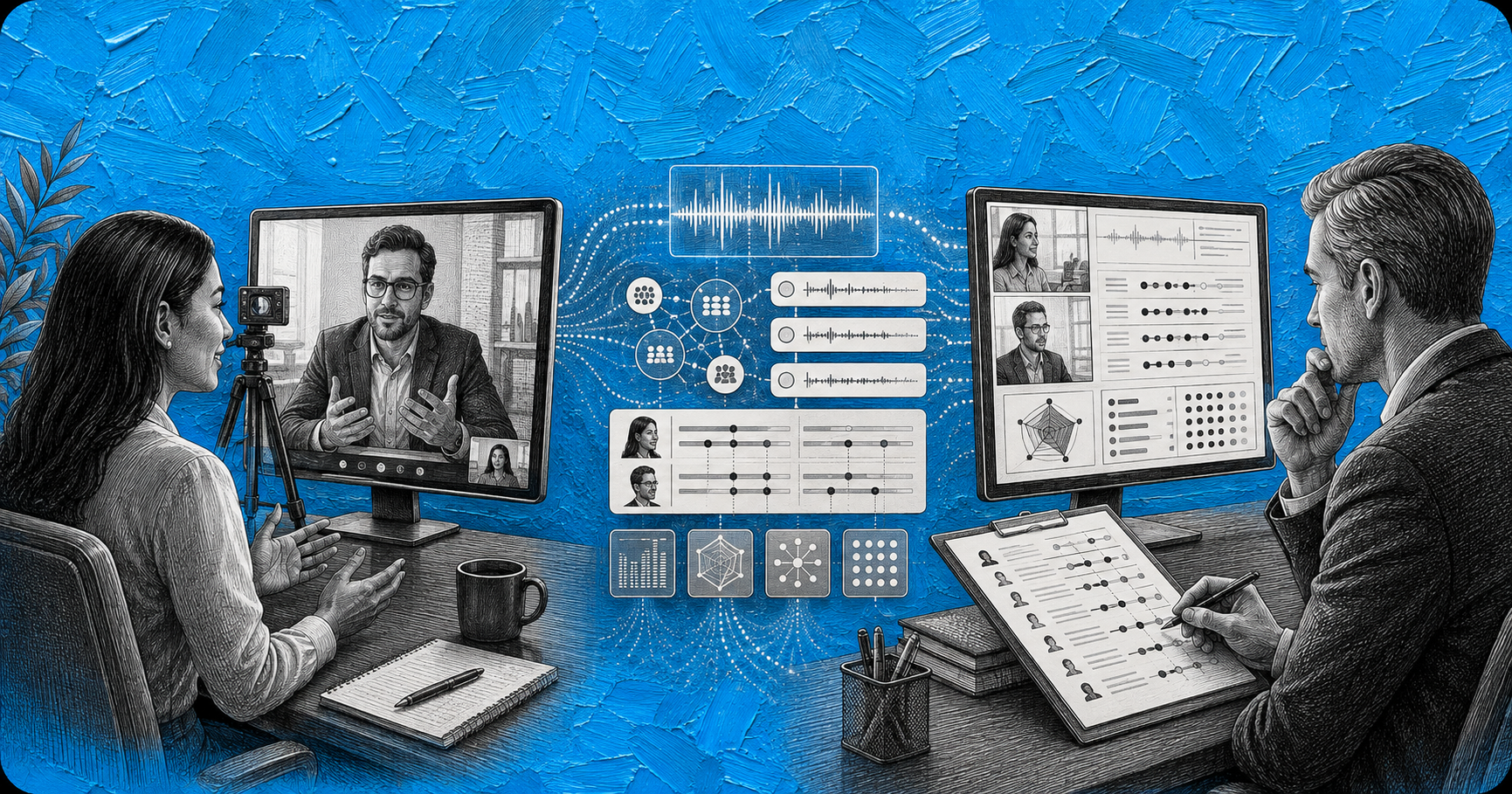
AI interview intelligence is software that records, transcribes, and analyzes interviews that a human recruiter or hiring manager is actually conducting, turning the conversation into structured data such as talk time ratios, sentiment trends, and competency or keyword tags. It does not run the interview itself. It sits behind the human led conversation and gives […]
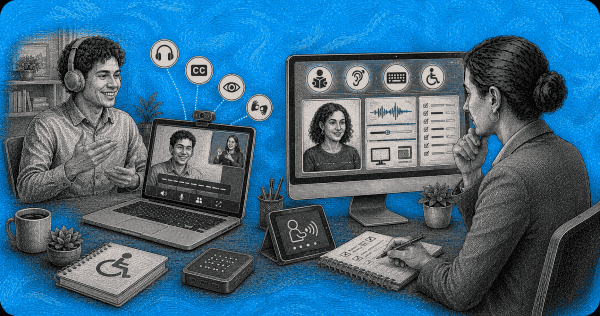
AI hiring accessibility means making sure automated interviews, video assessments, and proctoring tools do not create barriers for candidates with visual, hearing, speech, motor, or neurodivergent disabilities, and that reasonable accommodations, like extended time, alternative formats, and human review, are built into the process rather than bolted on afterward. Getting this right is not just […]
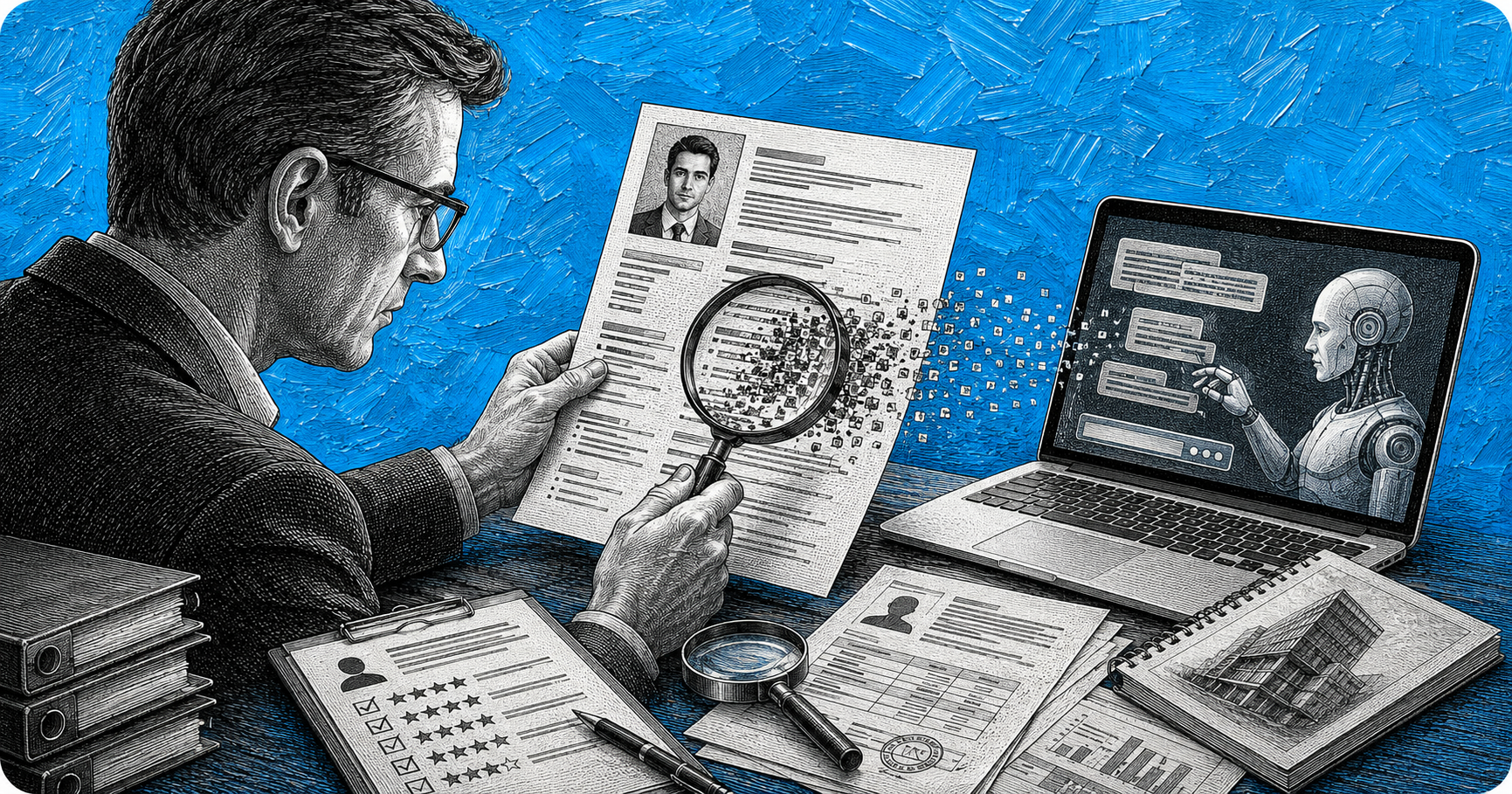
AI resume fraud is the practice of candidates using generative AI tools like ChatGPT to invent, inflate, or heavily embellish work experience, job titles, projects, and skills on a resume, specifically to slip past applicant tracking system keyword filters and impress a human reviewer. It is a resume and application stage problem, distinct from a […]