
3 min read

Recruitment Automation with AI: Enhancing Candidate Assessment

joseph cole

Updated on February 5, 2024

Recruitment Automation with AI: Enhancing Candidate Assessment

joseph cole

Updated on February 5, 2024

In this post

CREATE YOUR ACCOUNT

Accelerate the hiring of top talent

Make talent quality your leading analytic with skills-based hiring solution.

Get started

With 88% of firms globally now using some form of AI in HR, the global AI recruitment market should grow to $942.3 million by 2030. 

This industry-driven shift — which once faced skepticism — is quickly becoming acceptable for job seekers. 

Around 47% of applicants now believe AI is less biased than humans regarding candidate evaluation. 

Are you planning to bring AI into your hiring process? Let’s talk about AI-enhanced recruitment, how it improves candidate assessment — and how it ultimately benefits companies and applicants. 

What is AI recruitment? 

AI recruitment uses data analytics, machine learning, and natural language processing to automate and improve recruitment. It has many applications across different industries and companies of all sizes. 

For example, AI can be used in resume sourcing and screening, chatbot interactions, skills assessments, video interviews, and onboarding. 

It also supports DEI initiatives by promoting impartiality during screening and generating data that decision-makers can use to enhance diversity efforts. 

Benefits for companies

  1. Efficiency and speed – The traditional hiring process could be faster, with HR teams inundated by the sheer volume of resumes. 

    Reports say that a recruiter spends an average of 23 hours screening resumes and shortlisting applicants for a single hire. This manual process (including ATS data entry or sorting through resumes) can consume up to 40% of your HR team’s time.

    The issue is made worse because most resumes — anywhere from 75% to 88%, according to estimates — are from unqualified candidates. 

    By automating time-consuming and less productive tasks like resume screening, AI lets your team allocate their resources more effectively. 

    It empowers your recruiters to focus on what they do best: Connecting with and assessing potential talent. 

    With AI, they can concentrate on a smaller and more qualified pool of candidates much sooner in the process. They can also engage more deeply with potential hires to elevate the overall quality of the hiring process.
  2. Objectivity and reduced bias  – It’s natural for human recruiters to be swayed by their own biases, often without them even realizing it (a concept called unconscious bias).

    AI steps in to address this issue. It’s essentially a ‘referee’ that enforces fair rules, so the selection process is strictly based on skills and experience. 

    Because it doesn’t care what an applicant looks like or where they come from, it creates a level playing field where everyone gets a fair shot. 
  1. Improved candidate experience – Speed is king when finding top talent. Did you know that 80% of candidates wish that recruiters would respond to them faster? 

    More alarmingly, 33% of applicants quit because of slow response times. 

    AI-driven chatbots can interact with job applicants at any time of the day. They can answer questions in a human-like way, provide updates when asked, and maintain overall engagement. 

    With this level of interaction, you can make candidates feel valued and ultimately attract higher-quality talent.
  1. Data-driven insights – AI can analyze vast hiring data to help your HR team understand trends and refine hiring strategies. What qualities do ideal hires have? Which sourcing channels attract the best candidates? 

    Insights like this allow you to focus on the most effective hiring criteria and recruitment methods. 

    AI analysis can also predict future hiring needs based on your company’s growth and turnover rates so you can strategically plan and allocate resources.

Benefits for candidates

  1. Wider exposure – Traditional hiring often overlooks talent with non-standard resumes or unconventional career paths. 

    But AI is different because it can analyze a broader range of data points — such as volunteer experiences, skills demonstrated in various projects, etc. — even if they’re not presented in the usual resume format. 

    The result? Candidates who traditional screening methods might have sidelined are allowed to showcase their capabilities. This ultimately opens up opportunities for people from diverse backgrounds.
  2. More personalized communication – Besides providing quicker responses throughout the application process, AI tailors communication to keep candidates informed and engaged. 

    For example, AI recruitment systems can analyze a candidate’s interactions and preferences to deliver personalized messages and updates, making communication more personal and relevant. 

    This personalization shows your company’s commitment to addressing each applicant, which can be a deciding factor in whether or not a good candidate accepts the job.

Is AI recruitment better than traditional recruitment? 

AI can enhance efficiency, reduce bias, and improve the overall candidate experience to make hiring more equitable and effective. That said, AI should complement — not replace — human judgment. Human recruiters should still proactively set AI criteria. It’s still up to people to interpret data and make final decisions. 

Using AI in recruitment effectively means combining technology’s efficiency with human empathy and understanding. Utilizing the best AI recruitment tools can make your hiring process faster and fairer for everyone.
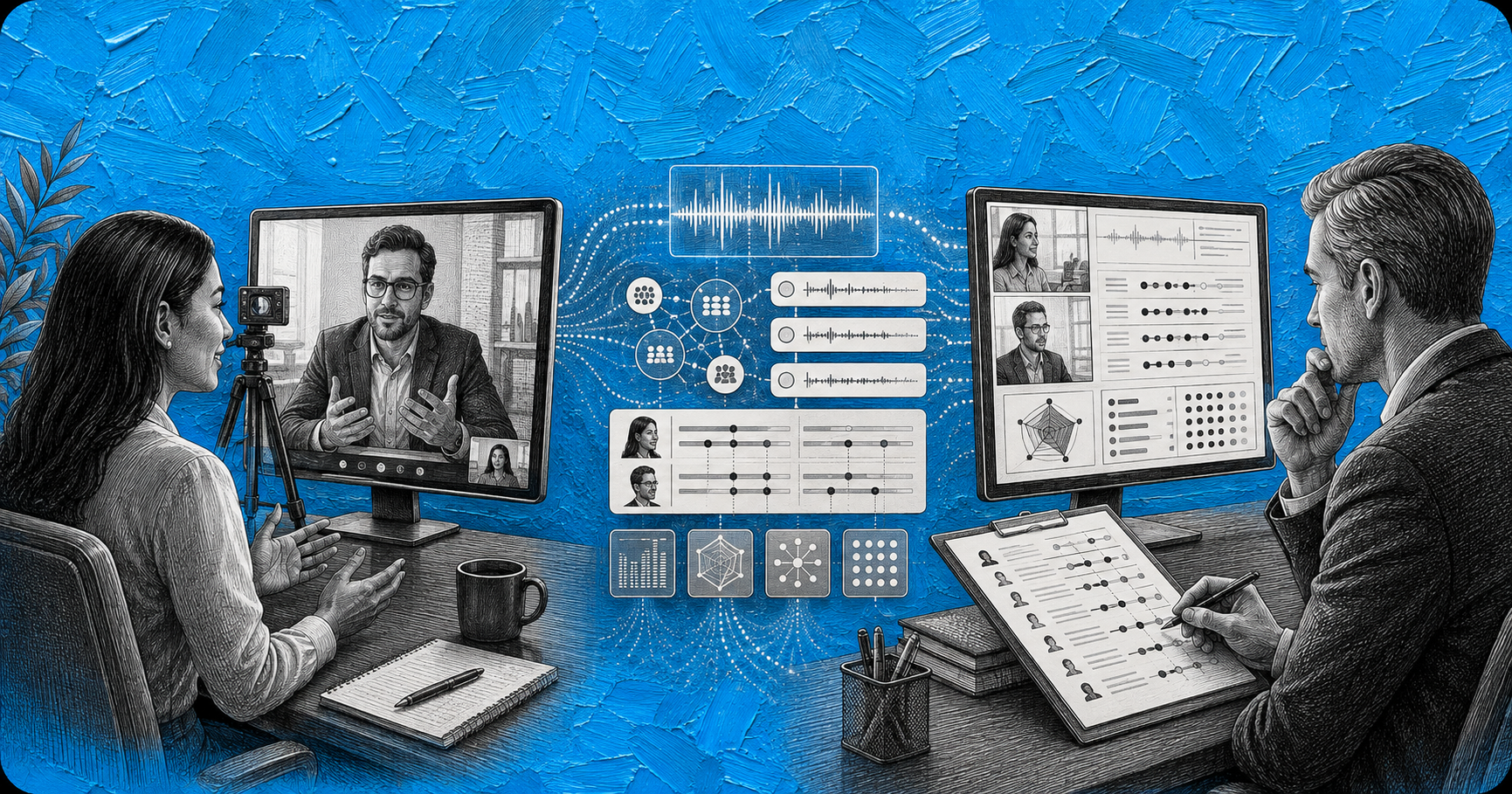
AI Interview Intelligence: How Conversation Analytics Are Changing Structured Hiring Decisions

AI interview intelligence is software that records, transcribes, and analyzes interviews that a human recruiter or hiring manager is actually conducting, turning the conversation into structured data such as talk time ratios, sentiment trends, and competency or keyword tags. It does not run the interview itself. It sits behind the human led conversation and gives […]
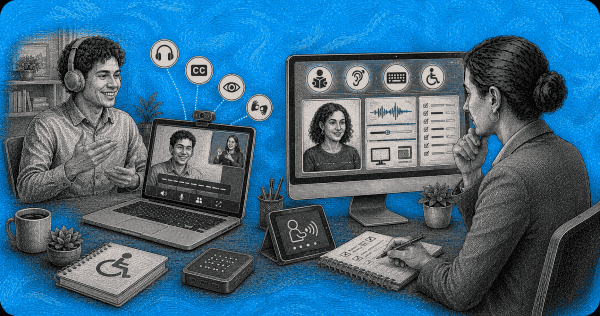
AI Hiring Accessibility: Designing Interviews and Assessments for Candidates With Disabilities

AI hiring accessibility means making sure automated interviews, video assessments, and proctoring tools do not create barriers for candidates with visual, hearing, speech, motor, or neurodivergent disabilities, and that reasonable accommodations, like extended time, alternative formats, and human review, are built into the process rather than bolted on afterward. Getting this right is not just […]
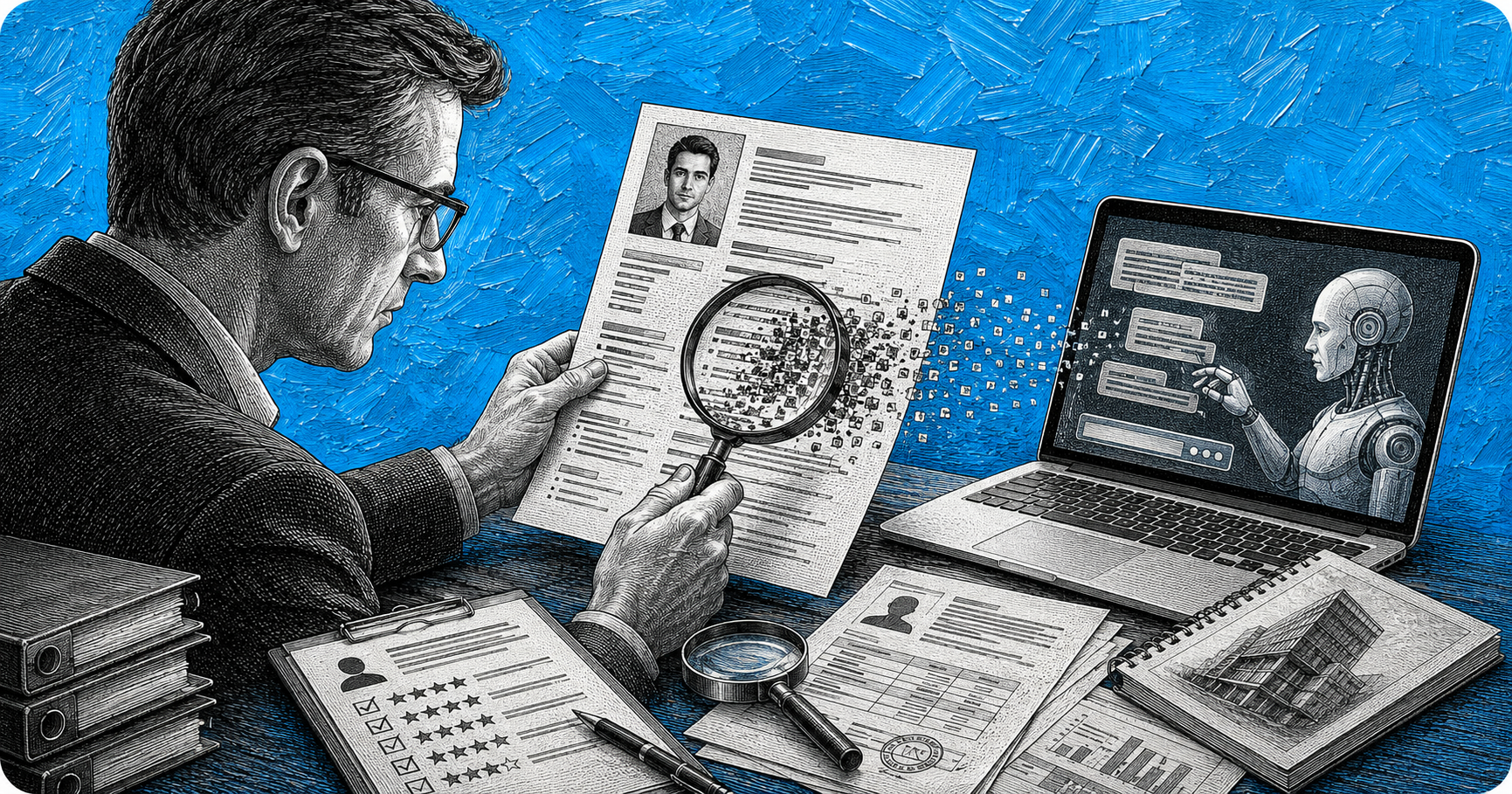
AI Resume Fraud: How Candidates Use ChatGPT to Fake Work Experience

AI resume fraud is the practice of candidates using generative AI tools like ChatGPT to invent, inflate, or heavily embellish work experience, job titles, projects, and skills on a resume, specifically to slip past applicant tracking system keyword filters and impress a human reviewer. It is a resume and application stage problem, distinct from a […]

chevron-down