Make talent quality your leading analytic with skills-based hiring solution.
AI is flooding the HR tech market. From sourcing to screening to interviewing, nearly every vendor now claims to have “AI-powered” solutions that promise faster, fairer, smarter hiring. But how do you evaluate AI hiring tools in a way that cuts through the hype and exposes the risks?
Not all AI is created equal—and when applied carelessly, it can reinforce bias, obscure decision-making, and trigger compliance nightmares. Just ask the legal teams now facing class action lawsuits for AI-driven discrimination.
That’s why choosing the right tool requires more than a feature list. You need a real evaluation framework. Below is your checklist—what to ask, what to look out for, and how to spot red flags—if your goal is ethical, skill-based, and future-ready hiring.
Use this checklist when considering any AI-powered solution—from screening and assessments to interviews and decision support when thinking about how to evaluate AI hiring tools into your HR tech stack:
Questions you should ask:
Red Flags:
Questions you should ask:
Red Flags:
Questions you should ask:
Red Flags:
Questions you should ask:
Red Flags:
Questions you should ask:
Red Flags:
Questions you should ask:
Red Flags:
Questions you should ask:
Red Flags:
Questions you should ask:
Red Flags:
Questions you should ask:
We built our platform to do one thing exceptionally well: validate skill—not screen people out based on bias-prone proxies. For HR and TA leaders asking how to evaluate AI hiring tools, the answer starts with transparency, fairness, and real-world skill validation. Glider AI:
We help hiring teams make smarter, faster, and fairer decisions—backed by AI you can trust.
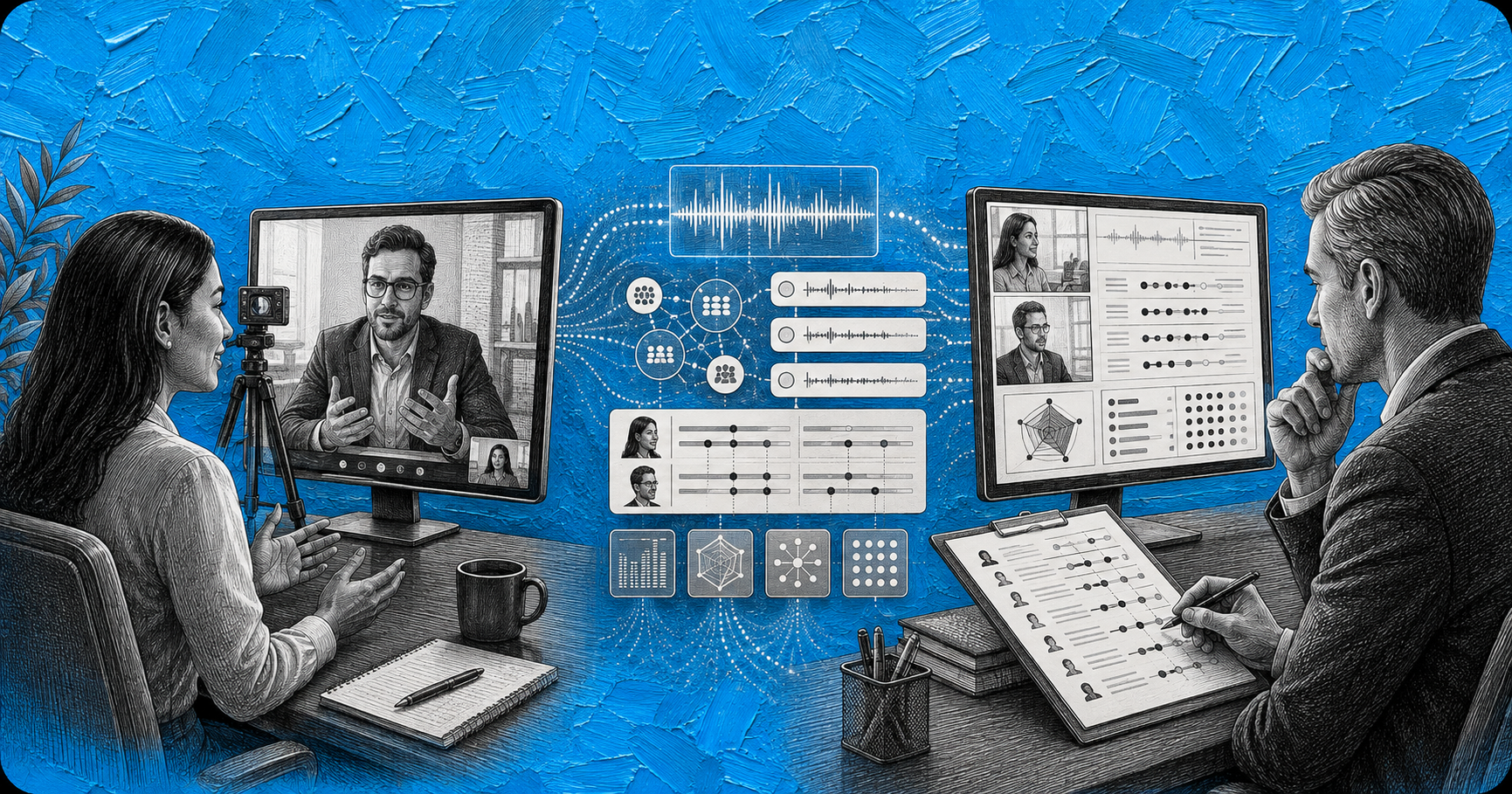
AI interview intelligence is software that records, transcribes, and analyzes interviews that a human recruiter or hiring manager is actually conducting, turning the conversation into structured data such as talk time ratios, sentiment trends, and competency or keyword tags. It does not run the interview itself. It sits behind the human led conversation and gives […]

AI hiring accessibility means making sure automated interviews, video assessments, and proctoring tools do not create barriers for candidates with visual, hearing, speech, motor, or neurodivergent disabilities, and that reasonable accommodations, like extended time, alternative formats, and human review, are built into the process rather than bolted on afterward. Getting this right is not just […]

AI resume fraud is the practice of candidates using generative AI tools like ChatGPT to invent, inflate, or heavily embellish work experience, job titles, projects, and skills on a resume, specifically to slip past applicant tracking system keyword filters and impress a human reviewer. It is a resume and application stage problem, distinct from a […]