Make talent quality your leading analytic with skills-based hiring solution.
For years, hiring has followed a familiar pattern. A resume arrives. It gets screened. A few interviews happen. A decision is made. Then, months later, the same role quietly opens up again.
That loop is not rare. It is a signal.
Across industries, teams are starting to question whether traditional HR functions are really built to find the right people or just built to move candidates through a process.
At one point, structured hiring workflows made sense. When applications were fewer and roles were more predictable, resumes and interviews gave enough signal to make decisions.
Today, that same process feels stretched.
Most HR functions still rely heavily on resumes to shortlist candidates. But resumes tell a partial story. They show what someone has done, not always what they can do next. Titles vary across companies. Experience is often inflated or simplified. Two candidates with similar resumes can perform very differently on the job.
Then come interviews. In many cases, they are unstructured. Different interviewers ask different questions. Evaluations depend on personal judgment. One interviewer might focus on communication, another on technical depth, and a third on cultural fit. There is no consistent baseline.
This creates friction. Hiring managers second-guess decisions. Candidates feel the process is unclear. Recruiters spend more time coordinating than evaluating.
The process moves forward, but clarity does not.
The cost of a wrong hire has always existed. What has changed is how quickly it shows up.
Teams are leaner. Expectations are higher. A new hire is often expected to contribute almost immediately. When that does not happen, the impact is visible within weeks, not years.
For HR functions, this creates pressure from both sides. Business leaders want faster hiring. At the same time, they want better outcomes.
That combination is difficult to manage with traditional methods.
There is also a shift in the type of roles being hired for. Many jobs today are not defined by static responsibilities. They evolve. They require problem-solving, adaptability, and practical skills that are hard to judge from a resume alone.
Candidates have noticed this too. Many feel that interviews do not reflect the actual work they will be doing. Some strong candidates drop off because they do not see a fair way to demonstrate their abilities.
So the gap widens. Hiring feels busy, but not always effective.
In response, HR functions are starting to change their focus.
Instead of asking, “Where has this person worked?” the question is becoming, “What can this person actually do?”
This is where skill-based assessments come in.
The shift is not dramatic on the surface. It often starts small. A coding test before an engineering interview. A case study for a marketing role. A situational task for a sales position.
But the intent is different. The goal is to observe real ability, not just discuss past experience.
Take an example from a product hiring team. Earlier, they relied on resumes and portfolio reviews. Over time, they noticed that candidates who spoke confidently about their work did not always perform well once hired. So they introduced a short product thinking exercise as part of the process.
The change was simple. Candidates were asked to break down a real problem and suggest improvements. The team started seeing clearer differences in how candidates approached problems. Decisions became easier. Hiring conversations became more focused.
This is how the shift begins. Not with a complete overhaul, but with a better way to evaluate what matters.
When HR functions move toward skill validation, something important changes.
Decisions become grounded.
Instead of comparing resumes, teams compare outputs. Instead of relying on memory from interviews, they review structured responses. Instead of debating opinions, they discuss evidence.
This does not remove human judgment. It improves it.
For example, in a customer support hiring process, adding a simple AI role-play scenario can reveal how a candidate handles pressure, communicates, and solves problems in real time. These are qualities that rarely show up clearly on a resume.
Over time, patterns emerge. Teams start to see which types of responses lead to successful hires. They refine their assessments. The process becomes sharper with each cycle.
There is also a fairness element here. When every candidate goes through the same structured evaluation, bias reduces. Not completely, but meaningfully.
This is one of the quiet benefits of evolving HR functions. Better hiring does not just improve outcomes. It improves trust in the process.
It is tempting to think that this shift is driven by new tools. In reality, the need came first.
Modern platforms are simply making it easier to apply structured assessments at scale. They help standardize questions, capture responses, and organize evaluations. They reduce manual effort so teams can focus on decision-making.
But the core change is not about tools. It is about intent.
HR functions that adopt these methods are choosing to prioritize performance over process. They are willing to invest more effort upfront to reduce uncertainty later.
A hiring manager who once relied on instinct now has structured data. A recruiter who spent hours screening resumes can now focus on candidate engagement. A candidate who once felt judged on background now has a chance to demonstrate real ability.
The system becomes more aligned with the outcome it is trying to achieve.
The difference between traditional and evolving HR functions is not always visible in job descriptions or hiring timelines. It shows up in how decisions are made.
In the old approach, resumes drive shortlisting. Interviews vary from one interviewer to another. Feedback is often subjective. The process is manual and sometimes inconsistent.
In the new approach, skills are validated early. Assessments are structured and relevant to the role. Interviews build on demonstrated ability rather than replace it. Decisions are supported by clear inputs.
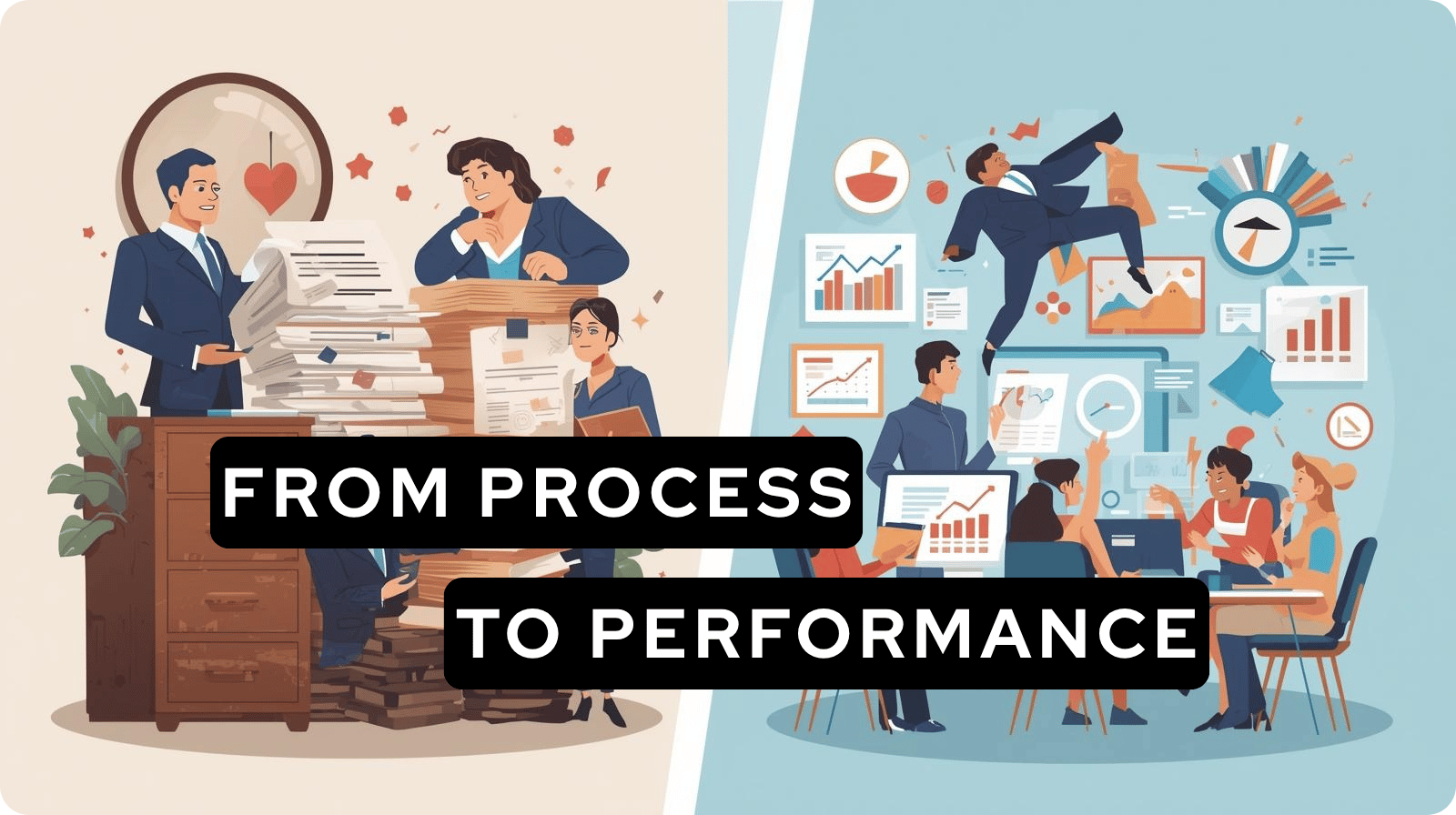
One approach focuses on moving candidates through stages. The other focuses on understanding how candidates perform.
That is the shift from process to performance.
At its core, this evolution in HR functions is about honesty.
An honest hiring process shows candidates what the role actually requires. It gives them a fair way to demonstrate their skills. It gives hiring teams a clearer view of who they are bringing in.
The traditional process was built for efficiency at a time when complexity was lower. Today, the stakes are different. The same process cannot deliver the same results.
Skill-based assessments are not a trend. They are a response to a real gap in how hiring works.
As more teams adopt this approach, the expectation will change. Candidates will look for it. Hiring managers will rely on it. And HR functions will continue moving closer to what they were always meant to do.
Not just manage hiring, but improve how well it works.
1. What are skill-based assessments in hiring?
Skill-based assessments are tasks or evaluations designed to measure a candidate’s actual ability to perform job-related work. These can include case studies, coding tests, simulations, or real-world problem-solving exercises.
2. How are modern HR functions different from traditional ones?
Traditional HR functions focus more on resumes, interviews, and manual processes. Modern HR functions emphasize skill validation, structured assessments, and data-backed decisions to improve hiring accuracy.
3. Do skill-based assessments replace interviews?
No. They complement interviews. Assessments provide a baseline of ability, while interviews help explore thinking, communication, and alignment with the team.
4. Why are companies shifting toward skill-based hiring now?
Because roles are more dynamic and performance expectations are higher. Companies need clearer signals of ability early in the hiring process, and resumes alone are no longer enough.
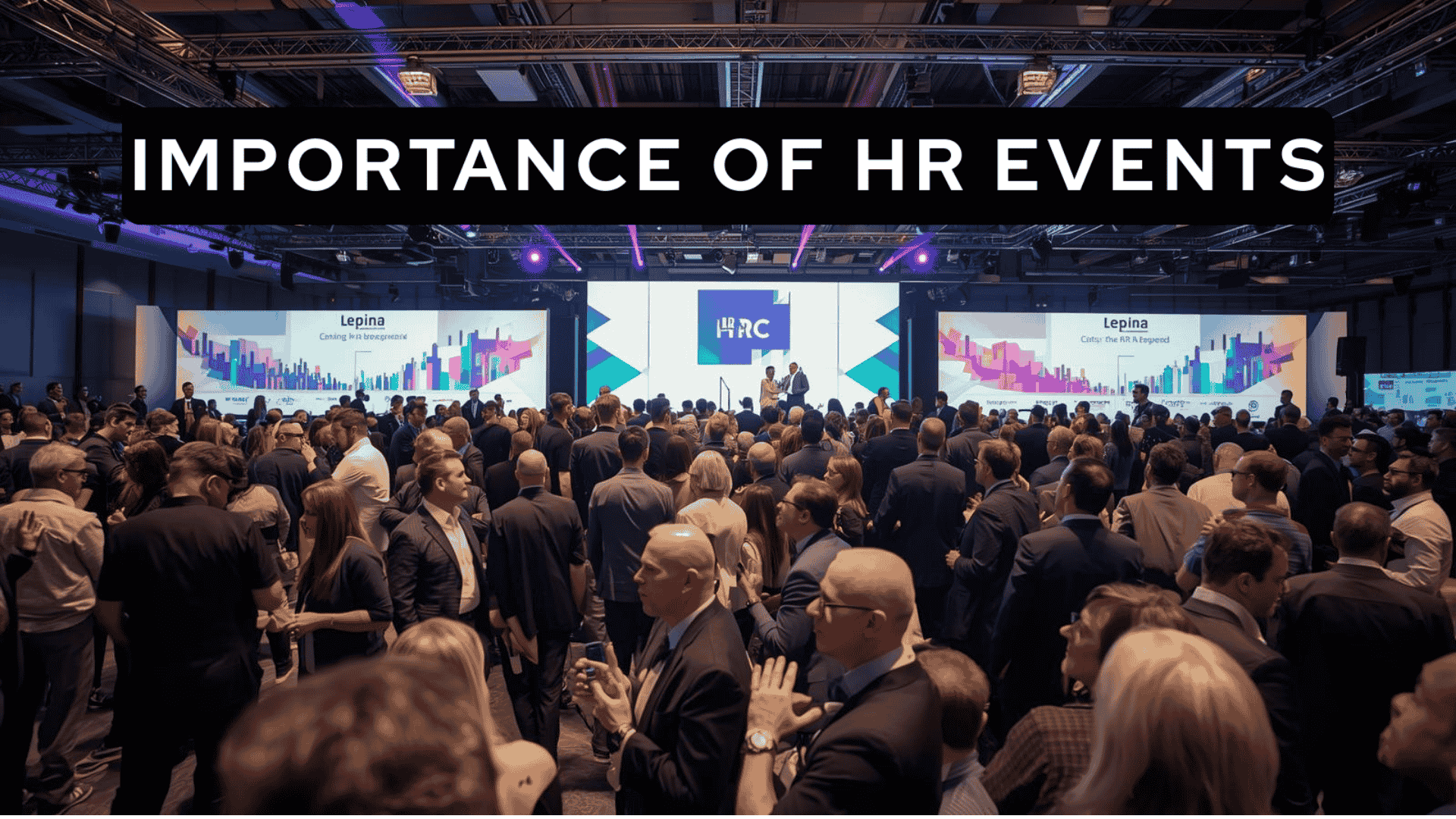
HR events have become one of the most important ways for human resources professionals to learn, exchange ideas, and stay updated with industry changes. While human resources has always been a people-focused function, the way HR professionals connect with the broader HR community has evolved significantly over time, making HR events a valuable platform for […]
Somewhere in the daily rhythm of most HR organizations, there is a quiet disconnect. Recruiters are sourcing, screening, scheduling, and following up. Dashboards are filling with metrics. And yet, quarter after quarter, hiring managers are still uncertain about the candidates they see. Time-to-fill stretches longer than it should. A promising hire leaves within a year. […]
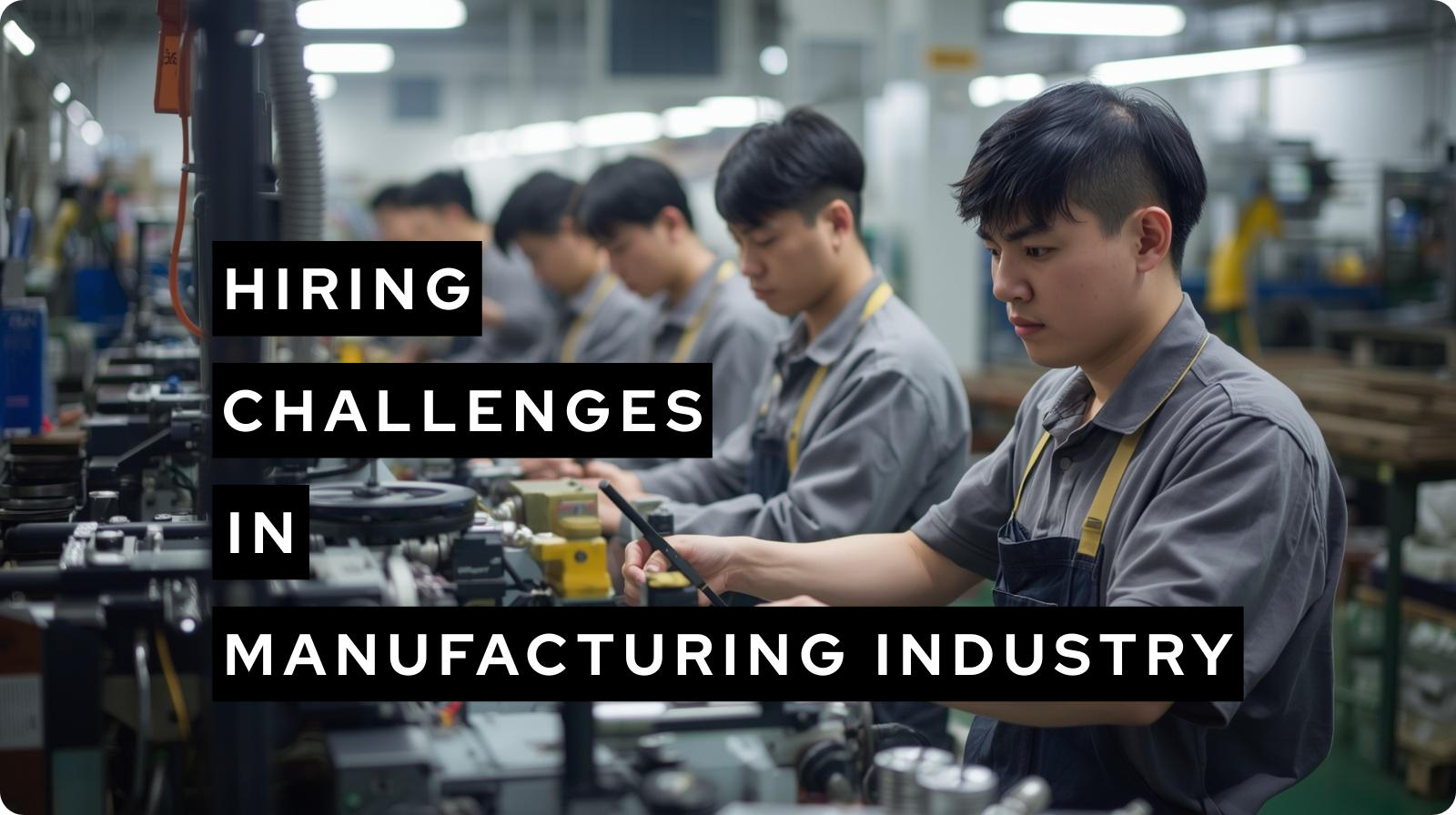
Challenges in manufacturing industry hiring are becoming harder for plant leaders and HR teams to manage. Every manufacturing leader recognizes this pressure. A production line is scheduled to start. A new project is approved. A customer deadline is already tight. Yet the hiring pipeline is not ready. Resumes are coming in. Interviews are happening. Still, […]