Make talent quality your leading analytic with skills-based hiring solution.
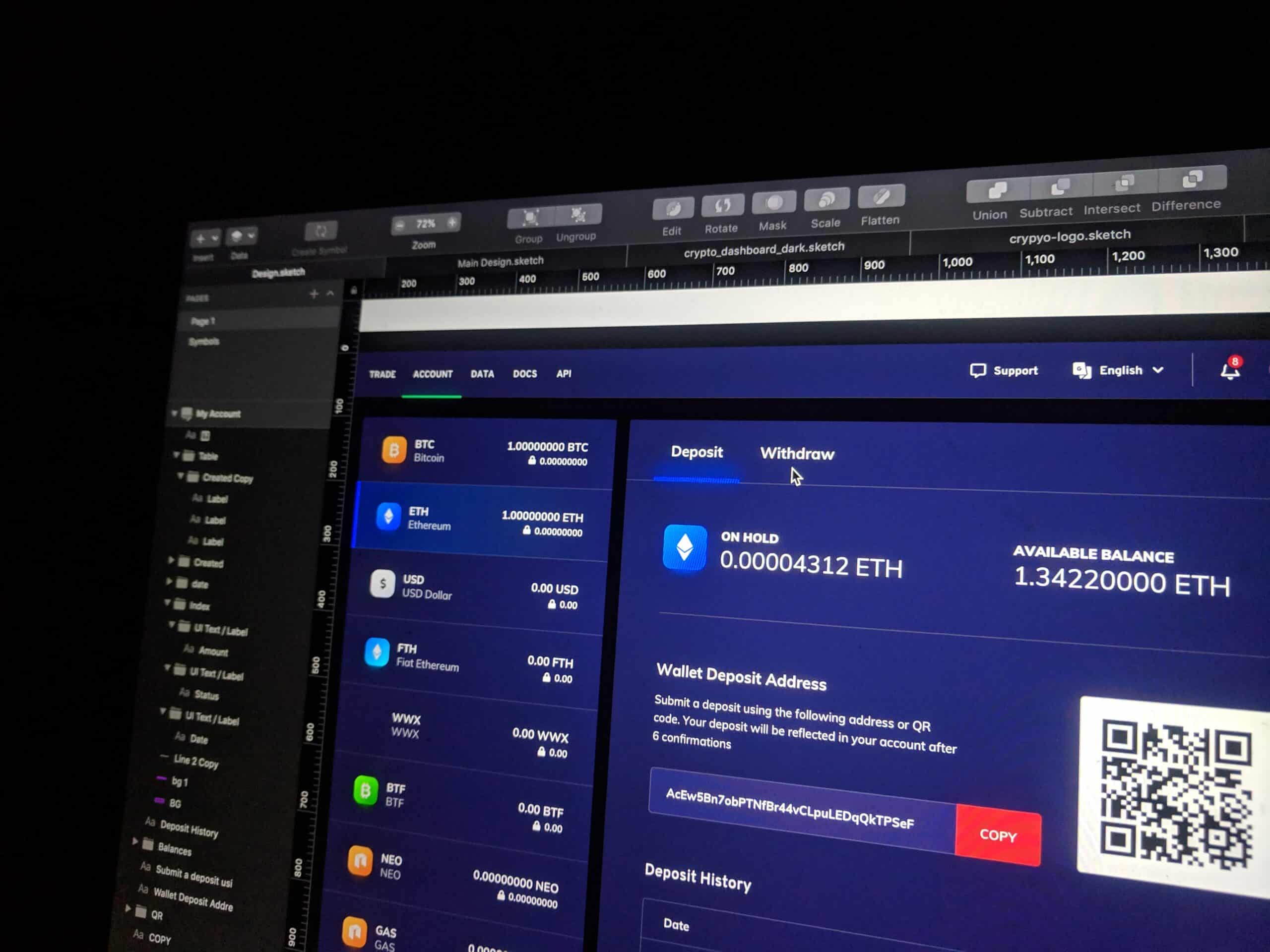
A Blockchain UX Developer designs intuitive digital experiences for blockchain-based products, including wallets, decentralized applications (dApps), Web3 platforms, token-based products, and other distributed-ledger solutions. Because blockchain products can involve unfamiliar concepts such as wallet connections, transaction signing, gas fees, network selection, and irreversible actions, strong UX is essential for making these systems easier and safer to use. Blockchain UX Development combines user research, interaction design, interface design, prototyping, and an understanding of blockchain workflows.
This template includes the core blockchain UX developer job description, responsibilities, qualifications, and skills you can adapt to your organization’s product, technical stack, and hiring needs.
We are hiring a Blockchain UX Developer to design and improve user experiences across our blockchain and Web3 products. The ideal candidate will work closely with product managers, software engineers, blockchain developers, and researchers to translate complex technical workflows into clear, usable, and trustworthy experiences.
You will be responsible for user research, information architecture, wireframes, prototypes, visual interfaces, design systems, and usability testing. You should understand how users interact with blockchain concepts such as wallets, smart contracts, transactions, digital assets, and decentralized applications, and be able to simplify those experiences without hiding important risk or security information.
User Experience Design: Ability to create intuitive workflows for complex products using research, journey mapping, wireframing, prototyping, and usability testing.
Blockchain and Web3 Understanding: Working knowledge of wallets, smart contracts, tokens, decentralized applications, network fees, transaction signing, and common blockchain user flows.
Interaction Design: Ability to design clear states, feedback, confirmations, error handling, and interactions for security-sensitive or irreversible actions.
User Research: Ability to gather user insights through interviews, testing, observation, analytics, and feedback, then translate those findings into product decisions.
Visual and Interface Design: Strong hierarchy, layout, typography, component, and responsive-design skills that support usability and consistency.
Design Systems: Experience creating and maintaining reusable components, patterns, accessibility guidance, and documentation for product teams.
Collaboration: Ability to work closely with engineering, product, research, compliance, and security stakeholders.
Communication: Ability to explain complex design decisions and user needs in a clear, evidence-based way.
Blockchain products introduce UX challenges that are less common in traditional applications. A strong Blockchain UX Developer should design for clarity, trust, and error prevention throughout critical workflows.
Glider AI’s recruitment platform supports skills-based hiring through structured, data-driven candidate evaluation. Hiring teams can assess role-relevant design, technical, communication, and problem-solving skills instead of relying only on credentials or resumes.
Use structured assessments and interview workflows to evaluate candidates across user experience design, product thinking, blockchain knowledge, collaboration, and practical problem-solving.
Go ahead and spotlight your Blockchain UX Developer with Glider AI today!
You can always write to us at info@glider.ai to help you access the hiring resources.
A Blockchain UX Developer designs user experiences for blockchain and Web3 products. The role can include research, user flows, wireframes, prototypes, interface design, usability testing, and close collaboration with blockchain and front-end engineers.
Important skills include UX research, interaction design, prototyping, visual design, design systems, usability testing, stakeholder communication, and a working understanding of blockchain concepts and Web3 user journeys.
Coding is not always a core requirement, but familiarity with front-end development, technical constraints, APIs, wallets, smart contracts, and blockchain architecture can improve collaboration with engineering teams.
Blockchain experiences often involve unfamiliar terminology, irreversible transactions, wallet security, and network-specific steps. Good UX makes these interactions clearer, reduces user errors, and builds trust.
Look for clear problem framing, user research, design rationale, complex workflow simplification, prototypes, usability improvements, and evidence that the candidate can collaborate with technical teams.
A strong Blockchain UX Developer combines user-centered design skills with enough blockchain knowledge to simplify complex Web3 workflows. When hiring for this role, focus on practical UX capability, product thinking, communication, design-system experience, and the candidate’s ability to design trustworthy experiences around transactions, wallets, smart contracts, and decentralized applications.

A recruiter screens a strong candidate on video, a hiring manager runs a solid technical round, and an offer goes out. On day one, the person who logs in is not the person who interviewed. Nobody on the team did anything careless. The process simply never confirmed who the candidate was. That gap is why […]
Introduction Technical roles are some of the hardest to fill. The process is a landmine of recruitment challenges. HR teams often find themselves under-resourced and struggling to find suitable talent, while engineers waste too much time interviewing candidates who don’t meet the necessary qualifications. Meanwhile, high-quality candidates get frustrated by slow and inefficient hiring processes and […]
What is QA and Testing? Quality Assurance (QA) and testing are integral processes in software development aimed at ensuring the reliability, functionality, and usability of applications. QA involves establishing standards and procedures to monitor and improve the software development lifecycle, focusing on preventing defects and identifying areas for optimization. It encompasses various activities such as […]