Make talent quality your leading analytic with skills-based hiring solution.
According to Technavio, the global AI in recruitment market is projected to grow by USD 290.07 million from 2024 to 2028, at a compound annual growth rate of 7.87 percent. Thanks to results like this, HR leaders are more confident in AI technology than ever before, yet many companies have not fully embraced these capabilities. Are you interested in bringing AI into your recruitment process? Here is what you need to know.
AI recruitment software, or an AI hiring platform, uses artificial intelligence and automation to cut down manual work and improve operational efficiency across the hiring process. With an AI recruitment platform, your organization can move candidates through sourcing, screening, interviewing, and onboarding with far less manual effort than a fully manual process requires.
AI based recruitment platforms streamline every stage of hiring, from initial resume screening to final onboarding, which can meaningfully reduce the time and cost involved in filling a role.
While AI recruitment tools can help companies of any size, the benefits are especially clear for fast growing companies facing tight hiring deadlines from launching new verticals or expanding operations. AI technology helps these companies fill positions quickly and at scale while giving applicants prompt feedback so they can pursue other opportunities if needed.
AI tools for talent acquisition work across the different stages of hiring, from sourcing to onboarding:
Manual resume screening is cumbersome, prone to errors, and often overlooks qualified candidates. AI resume screening tools can analyze thousands of resumes quickly, scanning for the keywords, skills, and qualifications that match your job descriptions, in a fraction of the time a manual review would take. AI can also detect discrepancies in an applicant’s resume and alert recruiters immediately, which helps maintain the integrity of the hiring process and lets recruiters focus on genuinely qualified candidates.
AI based recruitment software can aggregate candidates from various channels into a single platform to simplify candidate sourcing. It makes it easier to upload and organize resumes from numerous job boards and lets your HR team collaborate with external recruiting agencies to fill specific roles.
Today’s AI chatbots are far more capable than earlier versions. They can ask predefined questions to collect essential details about a candidate’s skills and background, and these conversational chatbots can also help with interview scheduling.
Video interviews are one of the more useful developments in AI recruitment. You can create pre recorded video questions that applicants answer on camera at their convenience, which your team can review later. AI can also analyze these recordings to assess verbal responses, such as clarity and vocabulary, and nonverbal cues, such as facial expressions and body language. This standardizes the interview process while making it possible to interview many candidates in a short amount of time.
AI hiring platforms can evaluate candidates across various technical and non technical areas to support a competency based recruitment process. Tests can be designed to simulate real world tasks and environments, and grading and reporting are automated, so your HR team can quickly get detailed insight into a candidate’s abilities.
AI hiring platforms can also forecast hiring trends and help predict candidate success. This data driven approach gives recruiters a more consistent, evidence based way to compare candidates, rather than relying on gut feel alone.
AI recruitment platforms can remain useful throughout onboarding, too. They let new hires complete necessary paperwork remotely, easing the administrative load on hiring managers.
AI frees up valuable recruiter hours by automating repetitive tasks, so your HR team can focus on strategic initiatives instead.
Chatbots can answer essential applicant questions day and night to keep candidates informed, and can even suggest relevant open roles based on a candidate’s skills and interests.
AI hiring platforms evaluate resumes and applications against predefined criteria, which limits the influence of personal bias recruiters might otherwise hold toward specific names, schools, or backgrounds.
AI can identify trends, measure the effectiveness of different sourcing strategies, and help predict future hiring needs so your organization can plan ahead.
Automated assessments and simulations can evaluate an applicant’s skills and experience to identify candidates who can deliver the real world competencies a role requires.
AI can take on data entry, scheduling, sending rejection emails, and other administrative work that would otherwise fall to recruiters.
AI makes the hiring process more efficient for recruiters and candidates alike, reducing friction at each stage.
AI can help companies save money on recruiting by reducing the time human recruiters spend on administrative tasks and by improving the quality of hire.
What is an AI recruitment platform?
An AI recruitment platform is software that uses artificial intelligence and automation to handle tasks across the hiring process, such as resume screening, candidate sourcing, interview scheduling, and onboarding.
How does an AI recruitment platform work?
It typically combines resume screening, candidate sourcing, chatbot based screening, video interviews, skills assessments, and predictive analytics into one workflow, so recruiters can move candidates through the process faster and more consistently.
What are the main benefits of using an AI recruitment platform?
The main benefits are time savings, a more consistent and less biased screening process, better insight into candidate quality, and lower administrative overhead for recruiters and hiring managers.
Can an AI recruitment platform actually reduce hiring bias?
It can help, since it evaluates candidates against predefined, role relevant criteria rather than proxies like school name or employer prestige, though it works best paired with human oversight and periodically checking outcomes for fairness.
What should a company look for before choosing an AI recruitment platform?
Look for a platform that assesses real skills rather than relying on resume keywords alone, integrates with your existing applicant tracking system, and gives recruiters transparency into how it reaches its recommendations.
Glider AI’s skill assessment platform focuses on validating a candidate’s real skills rather than relying on resume keywords or credentials alone, helping your team screen faster while making evaluation more consistent and fair.
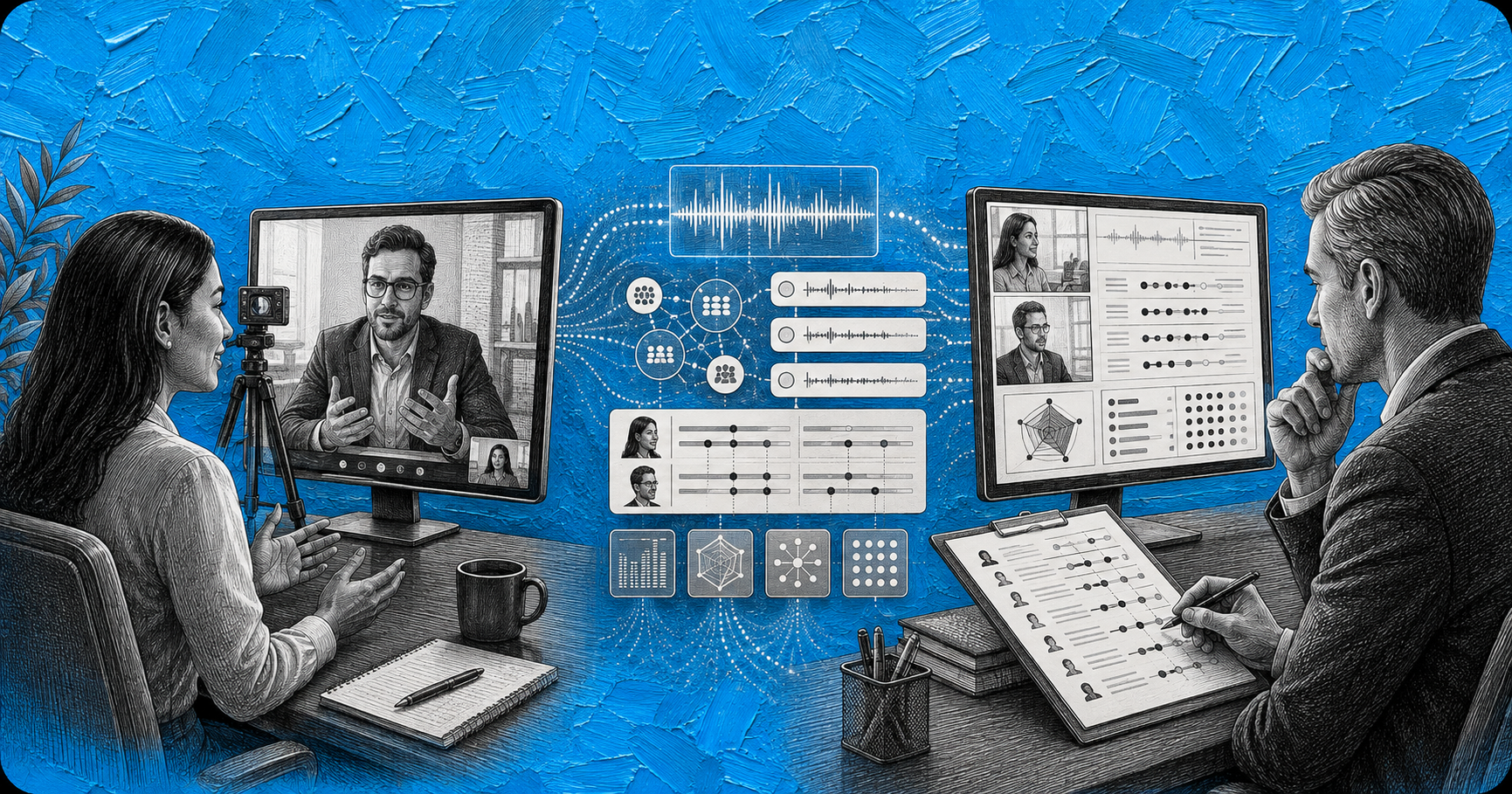
AI interview intelligence is software that records, transcribes, and analyzes interviews that a human recruiter or hiring manager is actually conducting, turning the conversation into structured data such as talk time ratios, sentiment trends, and competency or keyword tags. It does not run the interview itself. It sits behind the human led conversation and gives […]

AI hiring accessibility means making sure automated interviews, video assessments, and proctoring tools do not create barriers for candidates with visual, hearing, speech, motor, or neurodivergent disabilities, and that reasonable accommodations, like extended time, alternative formats, and human review, are built into the process rather than bolted on afterward. Getting this right is not just […]
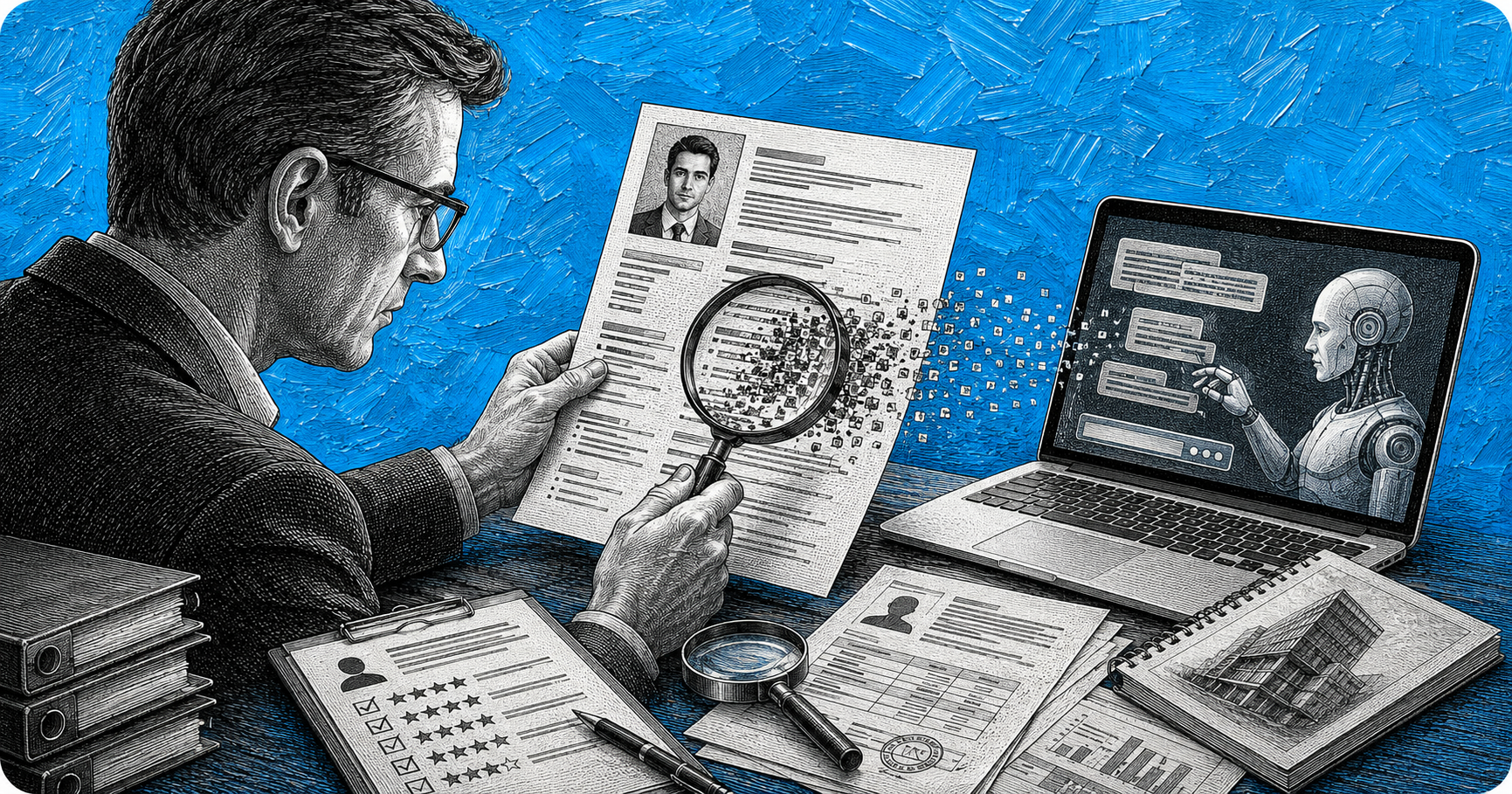
AI resume fraud is the practice of candidates using generative AI tools like ChatGPT to invent, inflate, or heavily embellish work experience, job titles, projects, and skills on a resume, specifically to slip past applicant tracking system keyword filters and impress a human reviewer. It is a resume and application stage problem, distinct from a […]