
Make talent quality your leading analytic with skills-based hiring solution.
With 88% of firms globally now using some form of AI in HR, the global AI recruitment market should grow to $942.3 million by 2030.
This industry-driven shift — which once faced skepticism — is quickly becoming acceptable for job seekers.
Around 47% of applicants now believe AI is less biased than humans regarding candidate evaluation.
Are you planning to bring AI into your hiring process? Let’s talk about AI-enhanced recruitment, how it improves candidate assessment — and how it ultimately benefits companies and applicants.
AI recruitment uses data analytics, machine learning, and natural language processing to automate and improve recruitment. It has many applications across different industries and companies of all sizes.
For example, AI can be used in resume sourcing and screening, chatbot interactions, skills assessments, video interviews, and onboarding.
It also supports DEI initiatives by promoting impartiality during screening and generating data that decision-makers can use to enhance diversity efforts.
AI can enhance efficiency, reduce bias, and improve the overall candidate experience to make hiring more equitable and effective. That said, AI should complement — not replace — human judgment. Human recruiters should still proactively set AI criteria. It’s still up to people to interpret data and make final decisions.
Using AI in recruitment effectively means combining technology’s efficiency with human empathy and understanding. Utilizing the best AI recruitment tools can make your hiring process faster and fairer for everyone.
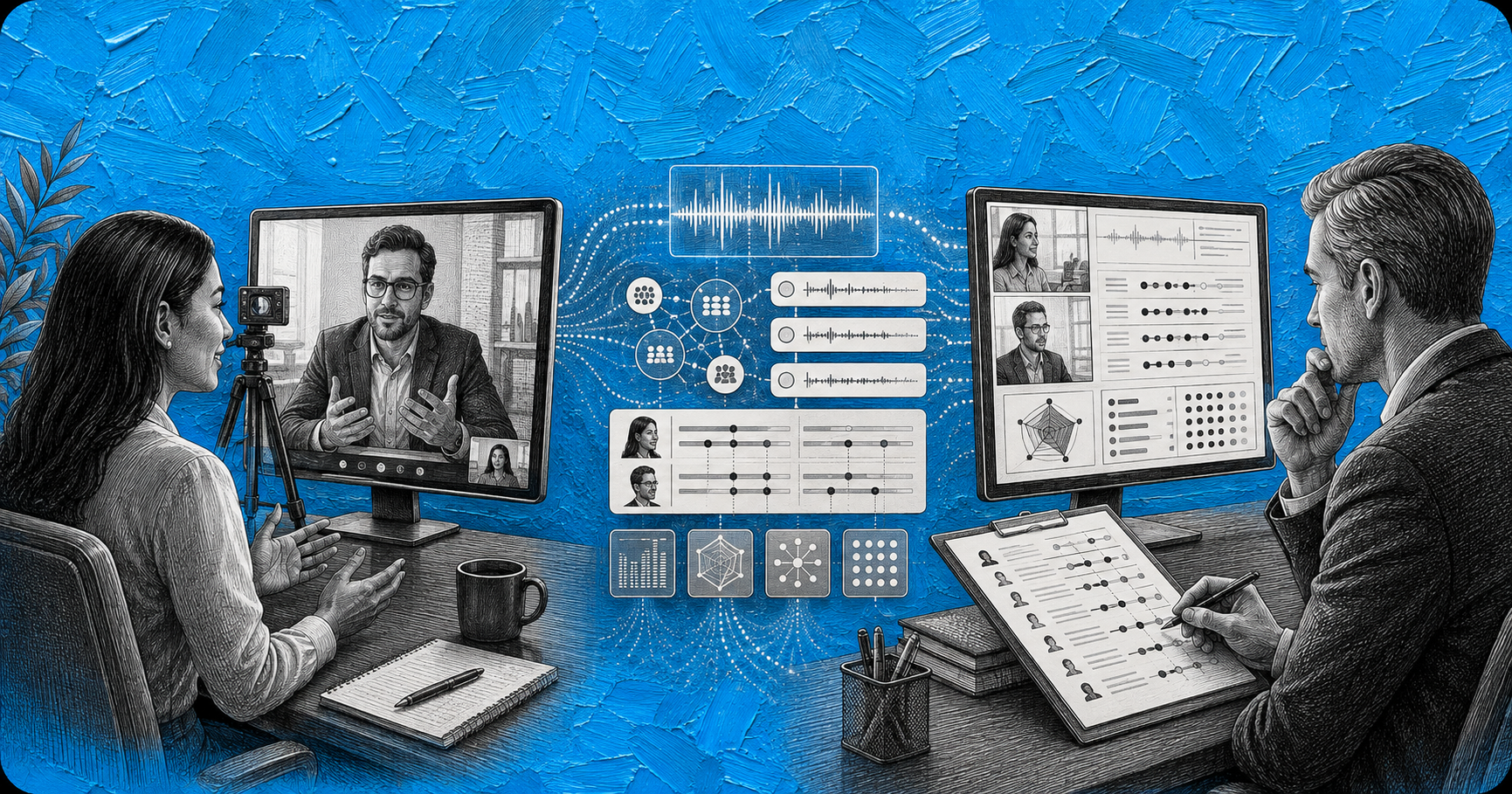
AI interview intelligence is software that records, transcribes, and analyzes interviews that a human recruiter or hiring manager is actually conducting, turning the conversation into structured data such as talk time ratios, sentiment trends, and competency or keyword tags. It does not run the interview itself. It sits behind the human led conversation and gives […]
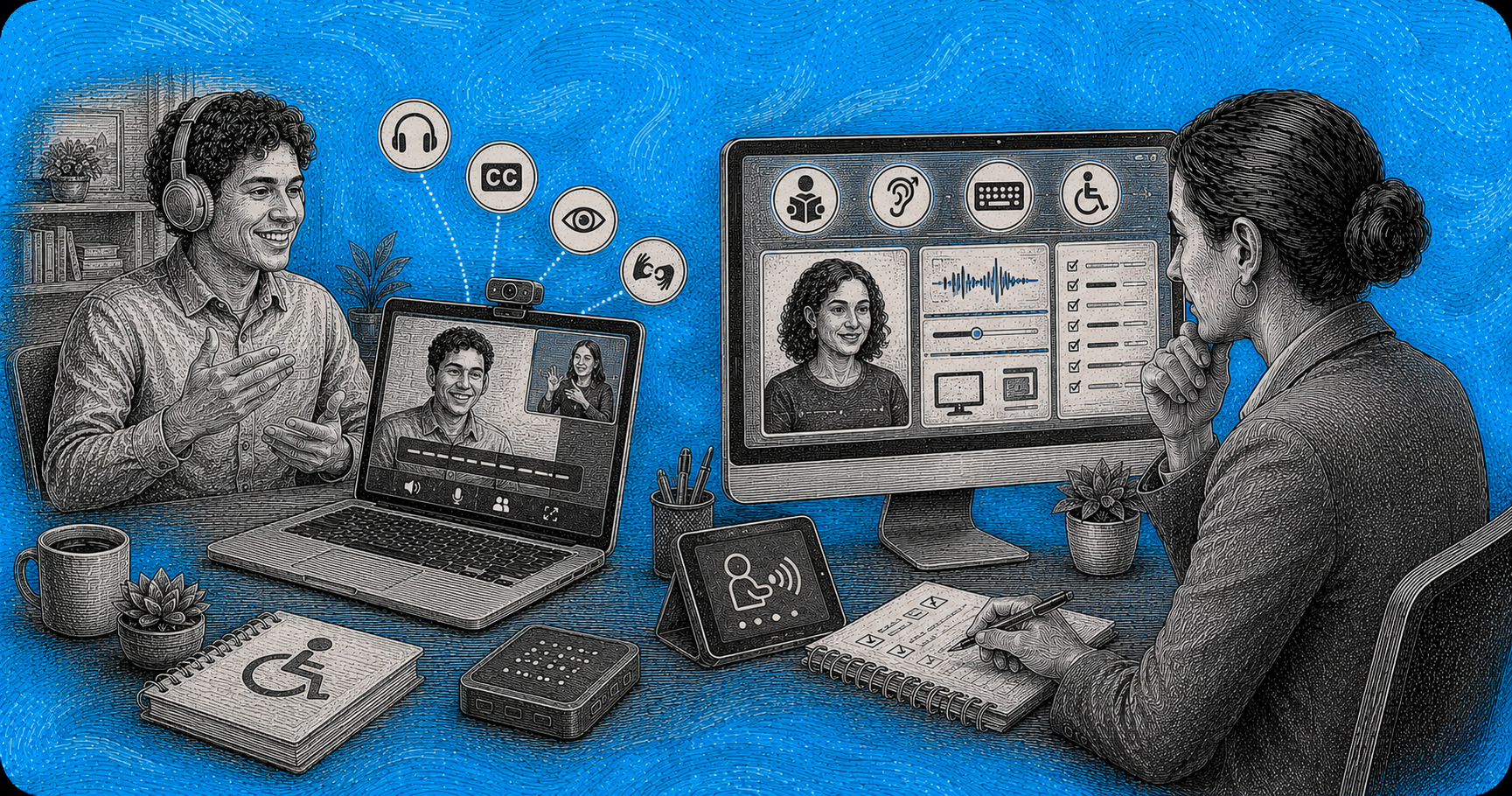
AI hiring accessibility means making sure automated interviews, video assessments, and proctoring tools do not create barriers for candidates with visual, hearing, speech, motor, or neurodivergent disabilities, and that reasonable accommodations, like extended time, alternative formats, and human review, are built into the process rather than bolted on afterward. Getting this right is not just […]
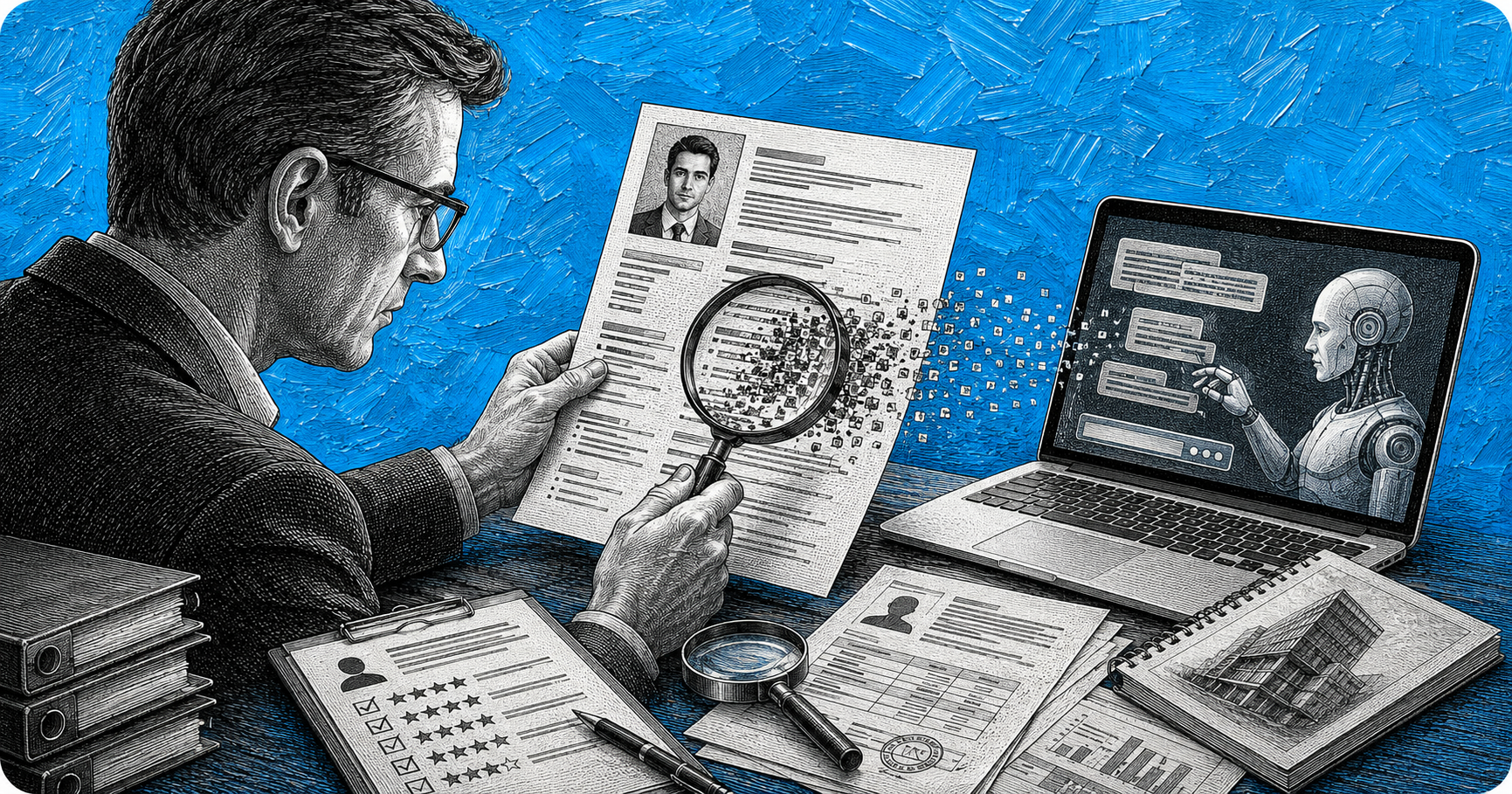
AI resume fraud is the practice of candidates using generative AI tools like ChatGPT to invent, inflate, or heavily embellish work experience, job titles, projects, and skills on a resume, specifically to slip past applicant tracking system keyword filters and impress a human reviewer. It is a resume and application stage problem, distinct from a […]