Make talent quality your leading analytic with skills-based hiring solution.
Video interviews now cover everything from a first round screen to a final round conversation with a distributed team, so the same call can carry very different weight depending on where it sits in your process. The following video interview questions, tips, and red flags will help you run that call well and decide who moves forward with confidence.
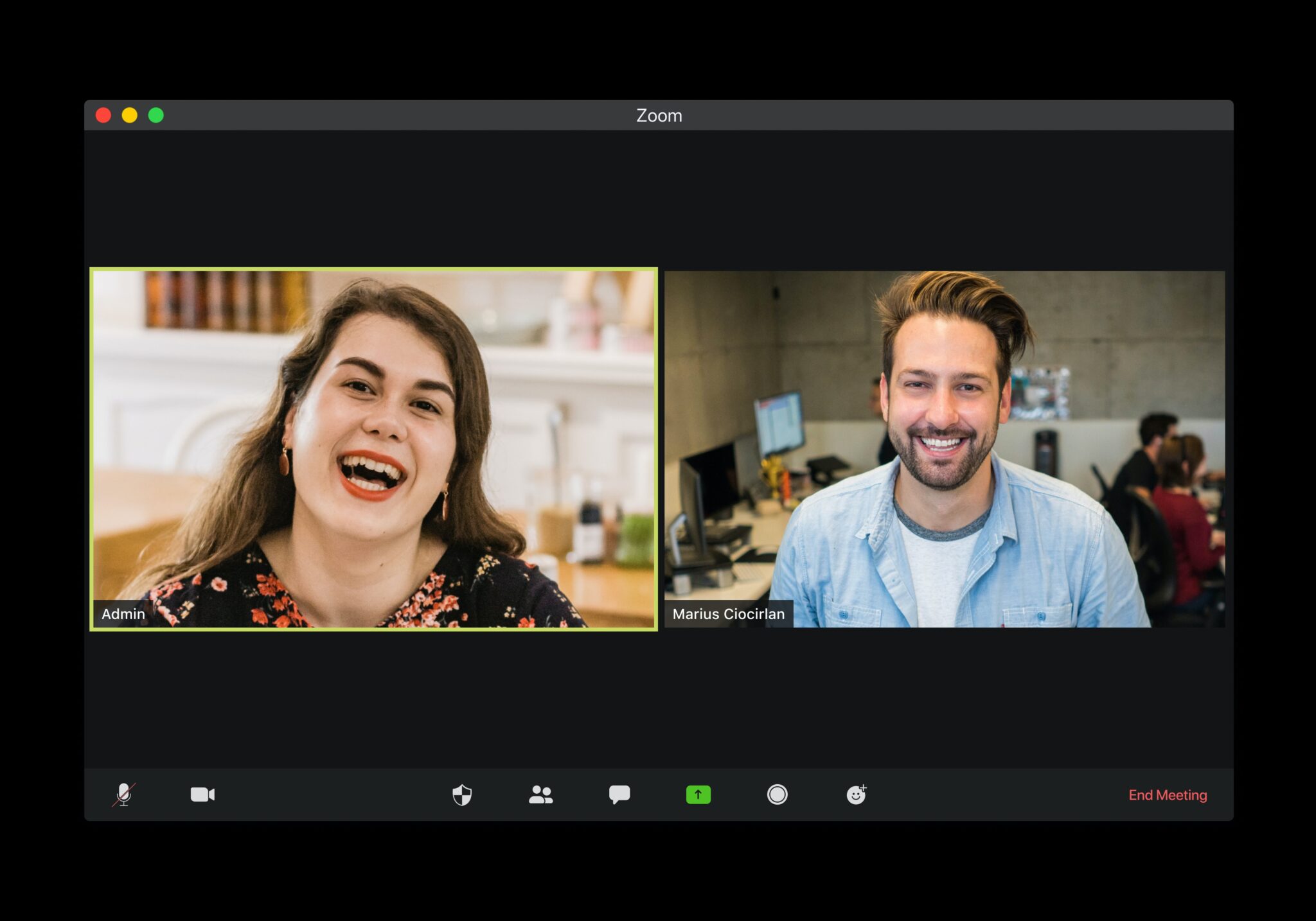
Video is one of the most useful tools a hiring manager or recruiter has, especially in the early stages of recruitment. A video interview lets you schedule conversations with distributed teams, reach candidates in remote locations, test verbal communication skills, confirm resume details, and screen for early deal breakers like availability and salary expectations, all without either side needing to travel.
For a first round call, start by introducing yourself and the role to set the stage, then share basic details such as responsibilities and work schedule so the candidate has enough context to engage. Use this call to decide whether the candidate should move to the next round.
For distributed teams, video also carries second and third round interviews, where it functions much more like an in person, one to one conversation. At that stage, lean on situational and behavioral questions rather than logistics questions, since you already know the candidate wants the job and now need to know how they actually work.
What to listen for: clear, specific motivation rather than a rehearsed answer, comfort discussing logistics directly instead of dodging the question, and communication that stays clear and structured even without being in the same room.
What questions should I ask in a video interview?
Cover motivation (why this role and company), logistics (availability and compensation expectations), and communication or culture fit (how the candidate explains their work and receives feedback), adjusting the mix based on whether it is an early or later stage interview.
How is a video interview different from a phone screen?
A video interview adds visual cues like body language, dress, and setting on top of what a phone screen captures, which makes it useful for gauging professionalism and communication style in addition to basic qualification.
What are common red flags in a video interview?
Watch for candidates who are late or unreachable, show up in an unprofessional setting, treat the conversation too casually, or struggle to communicate clearly even accounting for normal interview nerves.
How do you make a video interview feel less awkward for candidates?
Send clear logistics ahead of time, start with an introduction and context about the role, look at the camera rather than the screen, and give the candidate room to ask questions before wrapping up.
Should later round interviews still happen over video?
Yes, especially for distributed teams. Later round video interviews should be treated like an in person, one to one conversation, with more emphasis on situational and behavioral questions than logistics.
Video interviews only work if you can trust what happened on the call. Glider AI’s AI interview software helps recruiters run structured, consistent video interviews at scale, while Glider’s skill assessment platform lets you validate a candidate’s actual abilities before they ever reach this stage, so the questions above are confirming fit rather than doing the screening from scratch.

A strong architect portfolio tells you what got built. It rarely tells you what the candidate personally decided, what they gave up when the budget moved, or how they handled a contractor who said the detail couldn’t be built. Those are the things that decide whether a hire works out, and they only come out […]

A benefits specialist sits at the intersection of compliance, communication, and trust. They administer health, retirement, and leave programs, answer employee questions about coverage, manage vendor relationships, and make sure the company stays on the right side of regulations that change often and carry real financial risk when missed. That is why benefits specialist interview […]

Underwriters review applications, whether for insurance policies or loans, and decide how much risk a company should take on. Get a clear snapshot of how to screen the ideal candidate for your organization with this set of underwriter interview questions. The job of an underwriter is to review insurance or loan applications and carry out […]