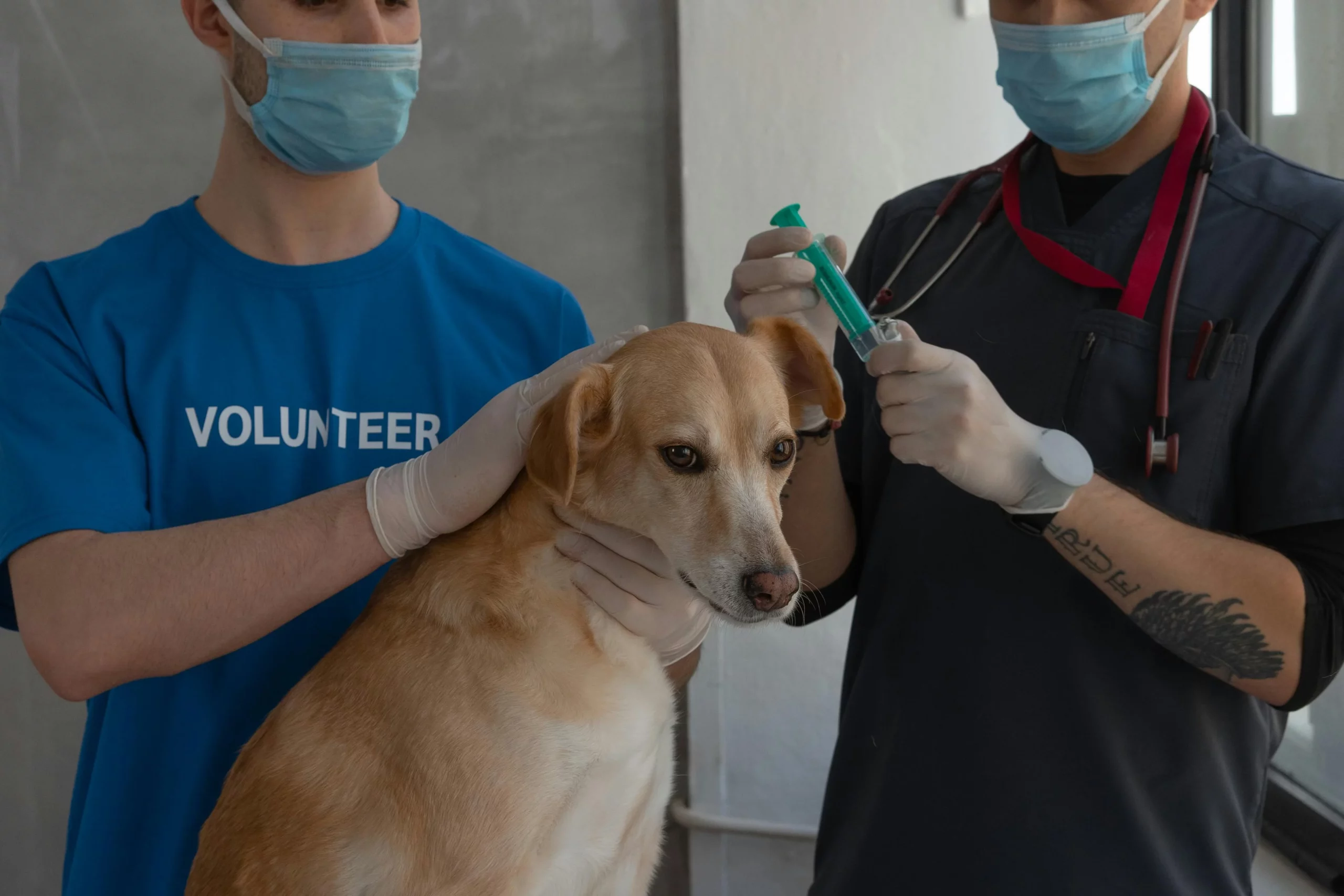
What Is a Veterinary Assistant?
A veterinary assistant is a vital member of the veterinary healthcare team, responsible for assisting veterinarians and veterinary technicians in providing medical care and treatment to animals. Veterinary assistants perform a variety of tasks, including handling animals, preparing exam rooms, assisting with medical procedures, and providing compassionate care and support to both animals and their owners.
Veterinary Assistant Job Description
We are currently seeking compassionate and dedicated individuals to join our veterinary team as veterinary assistants. As essential members of our animal care facility, successful candidates will play a crucial role in providing high quality veterinary care and support to our furry patients and their owners.
What Does a Veterinary Assistant Do?
- Animal Handling and Restraint: Handle and restrain animals safely and compassionately during examinations, treatments, and procedures, ensuring their comfort and safety while minimizing stress and anxiety.
- Assist with Medical Procedures: Prepare examination rooms, equipment, and supplies for veterinary procedures, including vaccinations, blood draws, diagnostic tests, and surgical interventions, to facilitate efficient and effective patient care.
- Provide Support to Veterinarians and Technicians: Assist veterinarians and veterinary technicians with patient care tasks, such as administering medications, dressing wounds, applying bandages, and monitoring vital signs, under their supervision and direction.
- Educate Pet Owners: Communicate with pet owners about preventive care, treatment plans, medication instructions, and postoperative care guidelines, providing education and guidance to promote pet health and well being.
- Maintain Cleanliness and Sterility: Ensure cleanliness and sterility of examination rooms, surgical suites, equipment, and instruments by following infection control protocols, disinfecting surfaces, and properly handling and disposing of biohazardous materials.
- Handle Administrative Tasks: Perform various administrative tasks, such as scheduling appointments, answering phone calls, processing payments, and maintaining medical records, to support efficient clinic operations and excellent customer service.
- Assist with Animal Care and Feeding: Provide basic animal care, including feeding, grooming, exercising, and monitoring hospitalized patients, to ensure their comfort, hygiene, and nutritional needs are met during their stay at the clinic.
- Monitor Patient Recovery: Observe postoperative patients, monitor their recovery progress, and report any changes in condition to veterinarians or veterinary technicians to ensure timely intervention and appropriate patient care.
- Maintain Clinic Inventory: Monitor inventory levels of medical supplies, medications, and equipment, and assist with ordering and stocking inventory as needed to support clinic operations and patient care.
How Much Do Veterinary Assistants Make?
According to the U.S. Bureau of Labor Statistics, the median pay for veterinary assistants and laboratory animal caretakers was $38,150 per year, or $18.34 per hour, as of May 2025.
Skill Requirements
- Animal Handling Skills: Veterinary assistants must possess excellent animal handling skills to safely and effectively handle and restrain animals during examinations, treatments, and procedures, minimizing stress and ensuring patient safety.
- Communication Skills: Veterinary assistants should have strong communication skills to interact effectively with veterinarians, veterinary technicians, pet owners, and other staff members, conveying information clearly, empathetically, and professionally.
- Attention to Detail: Veterinary assistants must demonstrate attention to detail in performing medical procedures, handling medications, and documenting patient information accurately to ensure patient safety and compliance with protocols.
- Compassion and Empathy: Veterinary assistants should have a genuine love for animals and demonstrate compassion, empathy, and sensitivity in providing care and support to sick, injured, or distressed animals and their owners.
- Teamwork and Collaboration: Veterinary assistants must work collaboratively as part of a veterinary healthcare team, communicating openly, sharing responsibilities, and supporting colleagues to achieve common goals and deliver high quality patient care.
- Physical Stamina: Veterinary assistants should have physical stamina and endurance to stand for long periods, lift and restrain animals of various sizes and weights, and perform repetitive tasks in a fast paced, physically demanding environment.
Example KPIs for a Veterinary Assistant
- Patient Satisfaction and Pet Owner Feedback: This KPI measures patient satisfaction scores, feedback from pet owners, and client retention.
- Clinical Support and Efficiency: This KPI assesses veterinary assistants’ support and efficiency in assisting veterinarians and veterinary technicians with medical procedures, preparation of exam rooms, and patient care tasks to optimize clinic workflow and patient throughput.
- Client Communication and Education: This KPI tracks veterinary assistants’ communication skills, pet owner education efforts, and compliance with medication instructions and postoperative care guidelines to promote pet health and owner satisfaction.
- Inventory Management and Clinic Organization: This KPI measures veterinary assistants’ effectiveness in managing clinic inventory, ordering supplies, and maintaining cleanliness and organization in examination rooms and treatment areas to support clinic operations and patient care.
Frequently Asked Questions
What does a veterinary assistant do?
A veterinary assistant handles and restrains animals during exams and procedures, preps exam rooms and supplies, supports veterinarians and technicians with patient care tasks, educates pet owners, and helps with clinic administration and inventory.
What qualifications should a veterinary assistant have?
Look for animal handling skills, strong communication and attention to detail, genuine compassion for animals and their owners, the ability to work well as part of a veterinary team, and the physical stamina for a fast paced clinic environment.
How much do veterinary assistants make?
According to the U.S. Bureau of Labor Statistics, the median pay for veterinary assistants and laboratory animal caretakers was $38,150 per year, or $18.34 per hour, as of May 2025.
What is the difference between a veterinary assistant and a veterinary technician?
A veterinary assistant supports veterinarians and technicians with hands on and administrative tasks under supervision, while a veterinary technician typically holds formal credentialing and can perform more advanced clinical procedures independently.
How do I evaluate a veterinary assistant candidate’s skills before hiring?
Structured skills assessments covering animal handling, attention to detail, and communication give a clearer signal than a resume alone, since they show how a candidate actually handles real clinic scenarios.
How Can Glider AI Help You with Hiring a Veterinary Assistant?
Glider’s recruitment platform is designed to prioritize competency over credentials, enabling organizations to assess candidates’ skills objectively and efficiently. Utilize Glider AI Skill Intelligence™ to streamline the hiring process, identify top quality veterinary assistant candidates, and ensure a mobile first, candidate friendly experience.
Glider AI’s Unique Features
- Verify Medical Licenses
- Validate Hundreds of Medical, Clinical, and Technical Skills
- Ensure Hiring Compliance
- Conversational Chatbot for Talent Screening
- Powerful candidate analytics
- Streamline Healthcare Hiring with AI and Automation
Go ahead and spotlight your veterinary assistant with Glider AI today.