Make talent quality your leading analytic with skills-based hiring solution.
Early stage interviews are where most hiring processes start to slow down. Recruiters spend hours coordinating calendars, only to have conversations that do not always produce consistent results. For candidates, the process can feel rushed and inflexible, with little room to put their best foot forward.
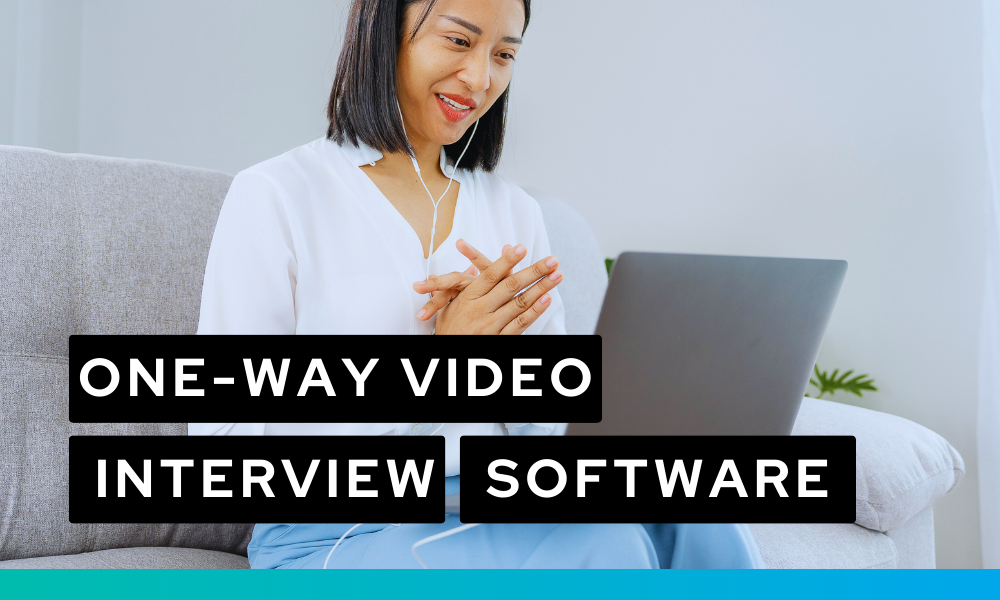
One way video interview software is a format where candidates record responses to preset questions on their own time, and recruiters review those recordings later. Unlike a live conversation, it removes scheduling barriers while giving every candidate a consistent experience.
Research from Lighthouse Research and Advisory found that 74 percent of employers using on demand video interviews reduced time to hire, while 67 percent said they improved candidate experience. With numbers like that, it is no surprise more companies are making one way video a standard part of screening.
Glider AI takes the format further by adding structure, AI proctoring, and candidate friendly design, turning one way video into a tool for both speed and insight.
The goal of a one way video interview is not to replace a conversation. It is to make early screening more consistent, efficient, and fair.
The process is simple, but the impact is significant:
By shifting the live element to on demand, companies save time while still gathering meaningful insight into each applicant.
Not all one way video tools are created equal. Many platforms simply record responses and stop there, leaving recruiters with piles of unstructured videos to sort through. Glider AI is built differently, combining flexibility for candidates with the structure and intelligence recruiters need to make confident decisions at scale.
When done well, one way video is not just about efficiency, it is about improving the quality of early stage decisions.
What is the purpose of a one way video interview?
To make early stage screening faster, fairer, and more consistent for both candidates and recruiters.
Are one way video interviews fair for candidates?
Yes. When structured properly, every candidate receives the same questions and is evaluated on the same criteria, which reduces bias compared to unstructured live interviews.
Do candidates like one way video interviews?
Most appreciate the flexibility. Surveys show candidates are more likely to complete interviews when they can do so on their own time rather than coordinating a live call.
How secure are one way video interviews?
With AI proctoring and identity verification, Glider AI ensures interviews are authentic and tamper free, so recruiters can trust that a recording reflects the actual candidate.
Glider AI’s one way video interview software pairs the flexibility candidates want with the structure and AI proctoring recruiters need, and it works alongside Glider’s broader skill assessment platform to give hiring teams a complete, consistent picture of every candidate before a live interview ever happens.

Finding the right candidate starts long before the in-person interview. The Phone Screening Interview is often the first real opportunity to evaluate a candidate’s skills, experience, and fit for your team. Done well, it saves time, reduces bias, and ensures only qualified candidates move forward in the hiring process. Phone screening interviews have evolved from […]
Interview software helps hiring teams run, record and evaluate interviews consistently, using formats such as one way video, live coding, AI guided and fully autonomous AI interviews. The right choice depends on your roles and volume, how candidates are scored, how fraud is prevented and whether the tool fits your ATS and hiring workflow. Most […]
What Are AI Guided Interviews? A Guide to Structured, Consistent Hiring Live interviews are one of the most important parts of hiring, but they are also one of the least consistent. Two recruiters can run completely different interviews for the same role, leading to uneven candidate experiences and unreliable data. Hiring managers often struggle to […]