Make talent quality your leading analytic with skills-based hiring solution.
Quick answer: a graphic design engineer builds the visual layer of software, games, or digital products, combining design judgment (layout, color, typography, motion) with the engineering skill to ship it in code, usually C++, OpenGL, Unity, or front end frameworks. Use the template below, adjust the requirements to the flavor of the role you need, and screen on work samples rather than titles.
Also searched as: graphic designing engineering, graphics engineer, design engineer, visual effects engineer.
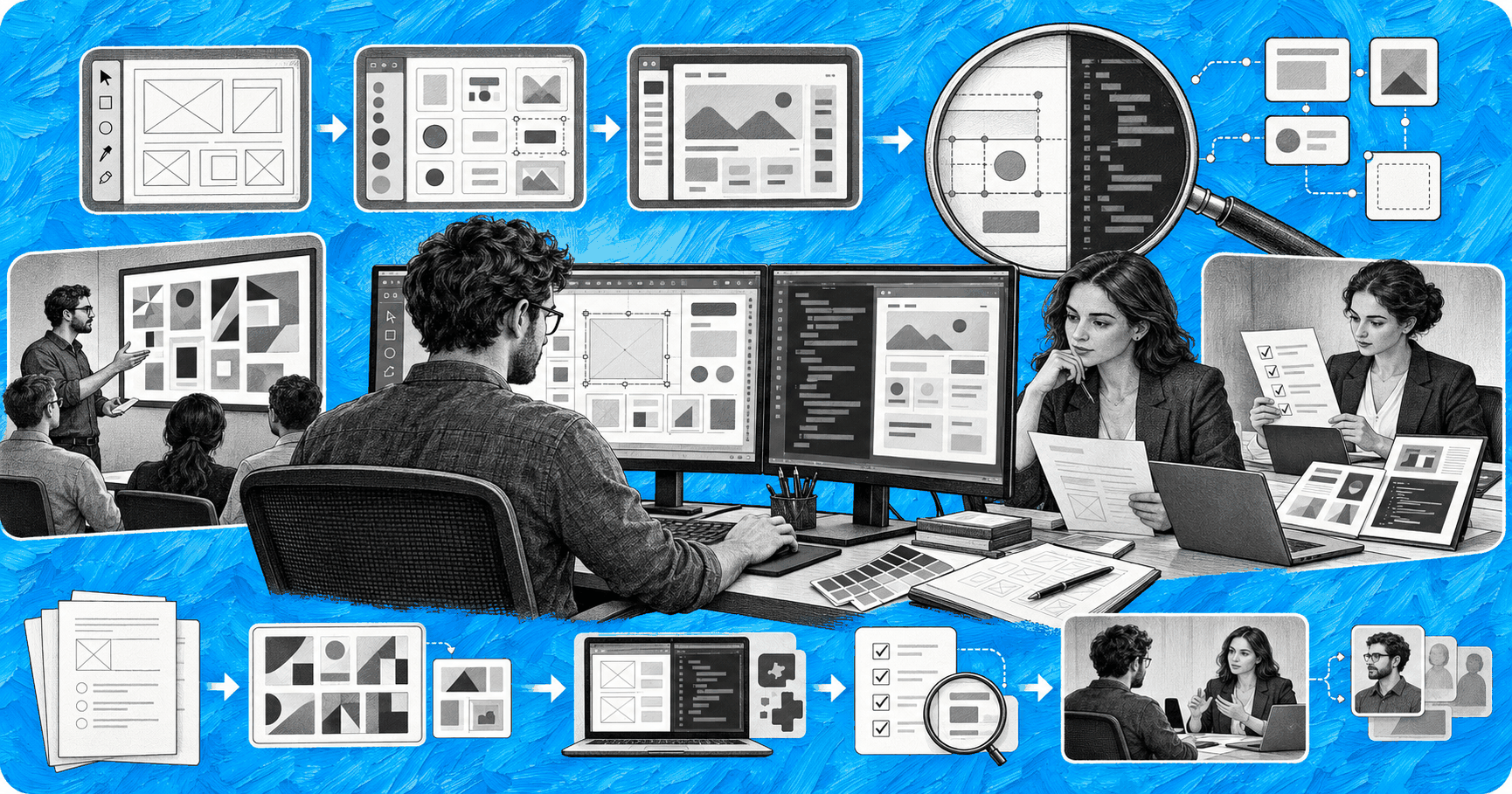
Most job titles describe one skill. This one describes two, and that is why the role is hard to write for. A graphic design engineer sits between the design team and the engineering team. They take a visual idea, a game effect, an interface animation, a data visualization, a rendering style, and make it run in production at the right frame rate on the right devices.
On a normal week that looks like:
The common thread is ownership of the handoff. A graphic designer can stop at the mockup. A graphic design engineer is accountable for what the user actually sees on screen.
Before you post, decide which side of the role carries more weight. Many reqs fail here: the hiring manager wants a rendering engineer, the posting reads like a designer brief, and the pipeline fills with portfolios that cannot pass a technical round.
| Design led graphic design engineer | Engineering led graphic design engineer | |
|---|---|---|
| Typical team | Product design, marketing, web | Games, simulation, 3D tools, film and visual effects |
| Core tools | Figma, Adobe Creative Cloud, JavaScript, CSS, WebGL | C++, OpenGL, Vulkan or DirectX, Unity or Unreal, Maya |
| Output | Interface motion, design systems, interactive graphics | Rendering pipelines, shaders, visual effects systems |
| Best evidence | Portfolio with shipped interactive work | Code samples and technical demos |
If your role is mostly visual with light scripting, the visual designer job description or the UI/UX designer job description may be a closer fit. Use this page when the person has to write production code.
Copy this graphic design engineer job description, replace the bracketed text, and cut any lines that do not apply to your team.
Graphic Design Engineer [or Senior Graphic Design Engineer]
We are looking for a graphic design engineer to build the visual systems behind [product, game, or platform]. You will work with designers, developers, and product managers to turn visual concepts into fast, reliable graphics that run across [platforms]. You care about how things look and how they perform, and you are comfortable owning both.
[Compensation range, benefits, location or remote policy, and team details.]
Use this before the req goes live. Each unchecked line is a reason candidates will screen themselves in or out incorrectly.
That last line matters more than it looks. When the recruiter and the hiring manager score candidates against different pictures of the role, the shortlist gets rebuilt twice.
Portfolios show taste. They rarely show who wrote the shader, how long it took, or whether the candidate can explain a performance tradeoff. For a hybrid role, screen on both halves separately.
A simple rubric for the first technical round:
Our graphic design engineer interview questions cover each of these areas with sample prompts, and the graphic design skill test gives you a structured way to check design fundamentals before anyone books an interview.
Glider AI helps hiring teams validate skills before a hiring manager spends time on a call. With Glider’s skill assessment platform, you can combine a design fundamentals test with live coding in a browser based IDE, diagramming tasks, and open ended responses scored against a rubric you set. Proctoring is transparent and configurable, and Glider ID Verify matches the candidate’s identity across the assessment and later interview rounds, so the person who passed the test is the person who shows up for the panel.
The result is a shorter, verified shortlist. Hiring managers see candidates who have already shown the skill, not just described it. Learn more at Glider AI.
A graphic design engineer builds the visual layer of software, games, or digital products. They combine design skills like layout, color, and typography with programming skills to ship graphics, visual effects, and interactive elements in production code.
A strong graphic design engineer job description includes a clear summary of the role, whether it leans toward design or engineering, specific responsibilities, the exact languages and engines used, required and preferred qualifications, and the type of proof you expect, such as a portfolio or code samples.
A graphic designer creates visual concepts and assets, usually in tools like Adobe Creative Cloud or Figma. A graphic design engineer also writes the code that brings those visuals to life and is responsible for how they perform on real devices.
They overlap. “Graphics engineer” usually describes the engineering led version of the role, focused on rendering pipelines, shaders, and engines. “Graphic design engineer” is often used for hybrid roles where design judgment carries equal weight.
Look for programming in C++, C#, or JavaScript, 3D graphics fundamentals, experience with OpenGL, Unity, or WebGL, fluency with design tools, and a working understanding of color theory, typography, and layout. Performance profiling and collaboration skills separate strong candidates from average ones.
Not always. Many teams prefer a degree in computer science or computer graphics, but shipped work and code samples are better evidence of ability. List the degree as preferred unless your organization truly requires it.
Test both halves of the role. Use a design fundamentals assessment for visual judgment and a hands on coding or diagramming task for the engineering side, scored against a rubric your hiring manager agrees on before candidates apply.
Post the template, then screen for proof. If you want verified design and coding skills on every shortlist before the first interview, see how Glider AI skill assessments work.

A recruiter screens a strong candidate on video, a hiring manager runs a solid technical round, and an offer goes out. On day one, the person who logs in is not the person who interviewed. Nobody on the team did anything careless. The process simply never confirmed who the candidate was. That gap is why […]
Introduction Technical roles are some of the hardest to fill. The process is a landmine of recruitment challenges. HR teams often find themselves under-resourced and struggling to find suitable talent, while engineers waste too much time interviewing candidates who don’t meet the necessary qualifications. Meanwhile, high-quality candidates get frustrated by slow and inefficient hiring processes and […]

What is QA and Testing? Quality Assurance (QA) and testing are integral processes in software development aimed at ensuring the reliability, functionality, and usability of applications. QA involves establishing standards and procedures to monitor and improve the software development lifecycle, focusing on preventing defects and identifying areas for optimization. It encompasses various activities such as […]