
Make talent quality your leading analytic with skills-based hiring solution.
AI tools are now part of daily work across nearly every function, from engineering to sales to customer support, but knowing how to use a generative AI tool and knowing how to prompt it well are not the same thing. A prompt engineering skills assessment is a structured, hands on evaluation used in hiring and workforce development to measure how effectively a person can write, refine, and troubleshoot prompts to get accurate, useful output from an AI model.
This guide covers what a prompt engineering skills assessment is, why it matters in AI era hiring, what a good assessment actually measures, how to structure one, and best practices for using it fairly across roles.
Prompt engineering itself is the skill of crafting clear, structured, goal oriented inputs, called prompts, that guide a generative AI model toward a useful, accurate output. A prompt engineering skills assessment takes that definition and turns it into something measurable: instead of asking a candidate to describe prompting in theory, it puts them in front of a real AI tool with a real task and scores the quality of their prompts and the output those prompts produce.
This distinction matters because self reported AI comfort on a resume tells a hiring team almost nothing about whether a candidate can actually get reliable results from an AI system under real work conditions.
Most organizations already sense there is a gap between how AI capable they assume their workforce is and how AI capable it actually is. As AI assisted work becomes standard rather than optional, in engineering, marketing, recruiting, sales, and support, hiring teams need a way to verify prompt engineering ability the same way they already verify coding ability or writing ability: through a real, scored task rather than a claim on a resume.
Roles requiring demonstrated AI fluency are also increasingly differentiated in the market, which raises the cost of a bad hire who overstates their comfort with these tools. A structured assessment gives hiring managers an objective, comparable signal across every candidate, which matters most when a role depends on getting fast, accurate output from AI tools rather than writing everything from scratch.
A meaningful prompt engineering skills assessment goes beyond a multiple choice quiz about AI terminology. It should evaluate:
For grounding on what good prompting technique actually looks like, Anthropic’s prompt engineering documentation and OpenAI’s prompting guide are two useful, model maker authored references for how these underlying skills are taught.
The strongest assessments combine a few core elements rather than relying on any single format:
Glider AI’s approach to this follows the same structure: role specific scenarios with live AI prompting tasks handled through its AI assistant, AI proctoring to verify remote candidates, automated scoring across multiple dimensions, and comparative dashboards that plug into the broader skill assessment software and technical assessment workflow hiring teams already use, alongside coding simulations for engineering roles that need both prompting and coding evaluated together.
As generative AI tools become embedded in nearly every job function, prompt engineering skill is shifting from a nice to have differentiator to a baseline expectation, similar to how basic spreadsheet literacy became assumed rather than notable.
Organizations that build a real, scored prompt engineering skills assessment into their hiring and internal mobility process, and that can point candidates toward job based skill tests that already cover this competency, rather than relying on self reported AI comfort, are better positioned to identify who can actually get reliable, useful work out of AI tools versus who simply claims to.
A prompt engineering skills assessment is a structured, hands on evaluation that measures how well a candidate or employee can write, refine, and troubleshoot prompts to get accurate, useful output from a generative AI model, typically scored across dimensions like prompt clarity, iteration, and output relevance.
Because self reported AI comfort on a resume does not reliably predict whether someone can get accurate, usable output from an AI tool under real work conditions, employers increasingly want a scored, hands on signal before assuming a candidate is AI fluent for the role.
A well built assessment measures prompt clarity and structure, iterative refinement based on model output, understanding of model limitations such as inaccurate or fabricated responses, and the ability to apply prompting to real, job relevant scenarios rather than generic trivia.
The most reliable method is a live, hands on task inside an actual AI tool, where the candidate writes and revises prompts for a role specific scenario, scored across multiple dimensions rather than a single multiple choice quiz about AI terminology.
Prompt engineering is the specific, practical skill of writing and refining inputs to get useful output from an AI model, while AI fluency is the broader ability to understand what AI tools can and cannot do, when to use them, and how to apply them responsibly across a job function.
Prompt engineering skill now shows up across engineering (debugging and code generation), product management (user stories and research synthesis), marketing (content and SEO drafting), sales (outreach and objection handling), HR and talent acquisition (resume screening and interview prep), and customer support (ticket summarization and response drafting).
Yes. Role based training, hands on practice in sandboxed AI tools, internal prompt sharing between teams, and including AI fluency in performance goals are common ways organizations build prompting skill across teams rather than assuming it develops on its own.
Options range from generic multiple choice tests on AI terminology to hands on assessment platforms that place candidates inside a real or simulated AI interface and score their actual prompts and output, with the latter giving a far more reliable signal of real world ability.

Technical skills assessments have become the foundation of modern engineering hiring. Yet just a few years ago, most technical hiring teams still relied heavily on resumes, recruiter screenings, and live whiteboard interviews to evaluate engineers. While common, these methods were often slow, inconsistent, and prone to favouring candidates who performed well in interviews rather than […]
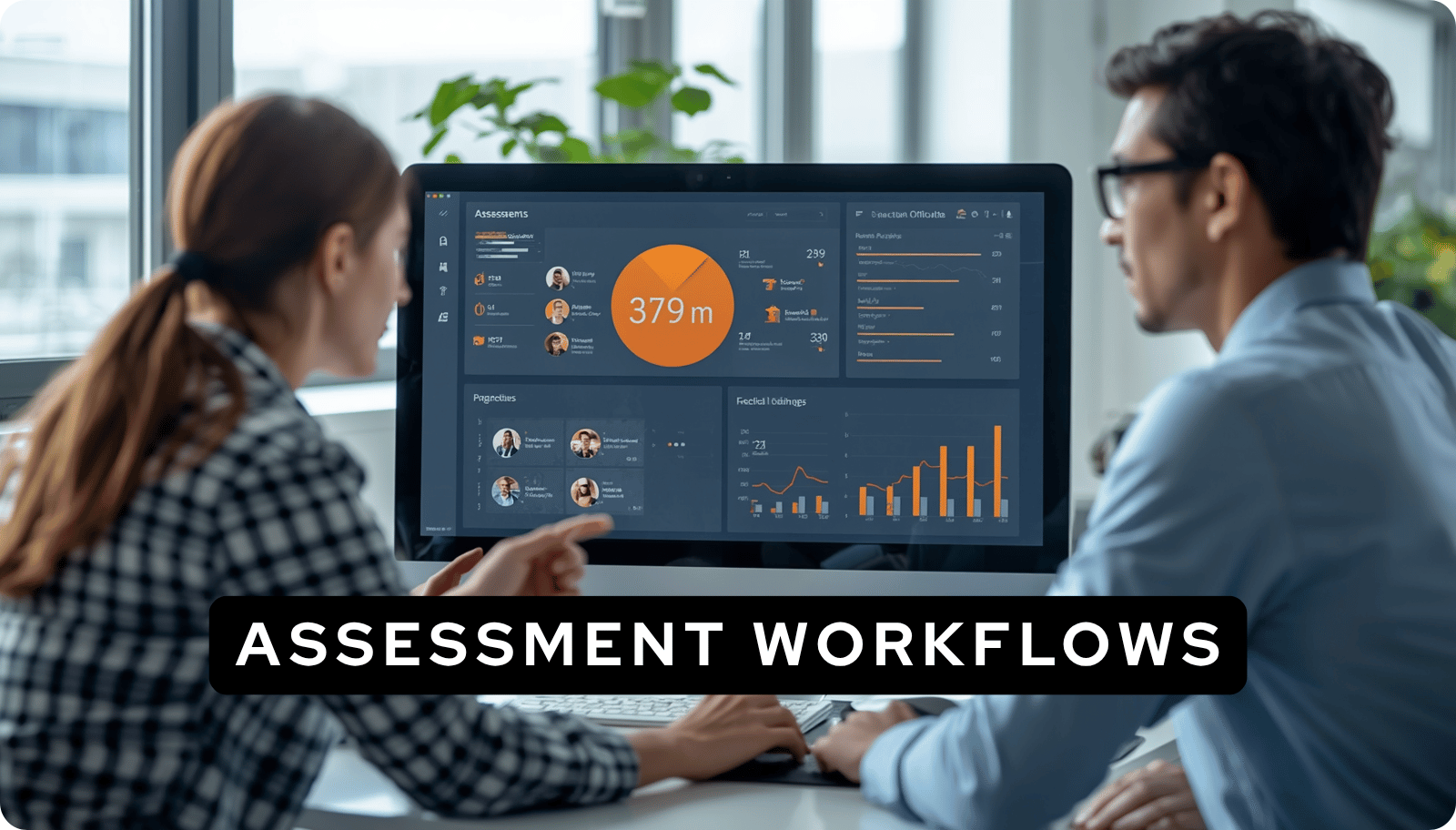
Skills assessments are is often treated as a single step in the hiring process. In reality, they run through the entire hiring workflow. They appear in different forms depending on the hiring stage, the role being evaluated, and the level of hiring risk a team is willing to take. If you look at the broader […]
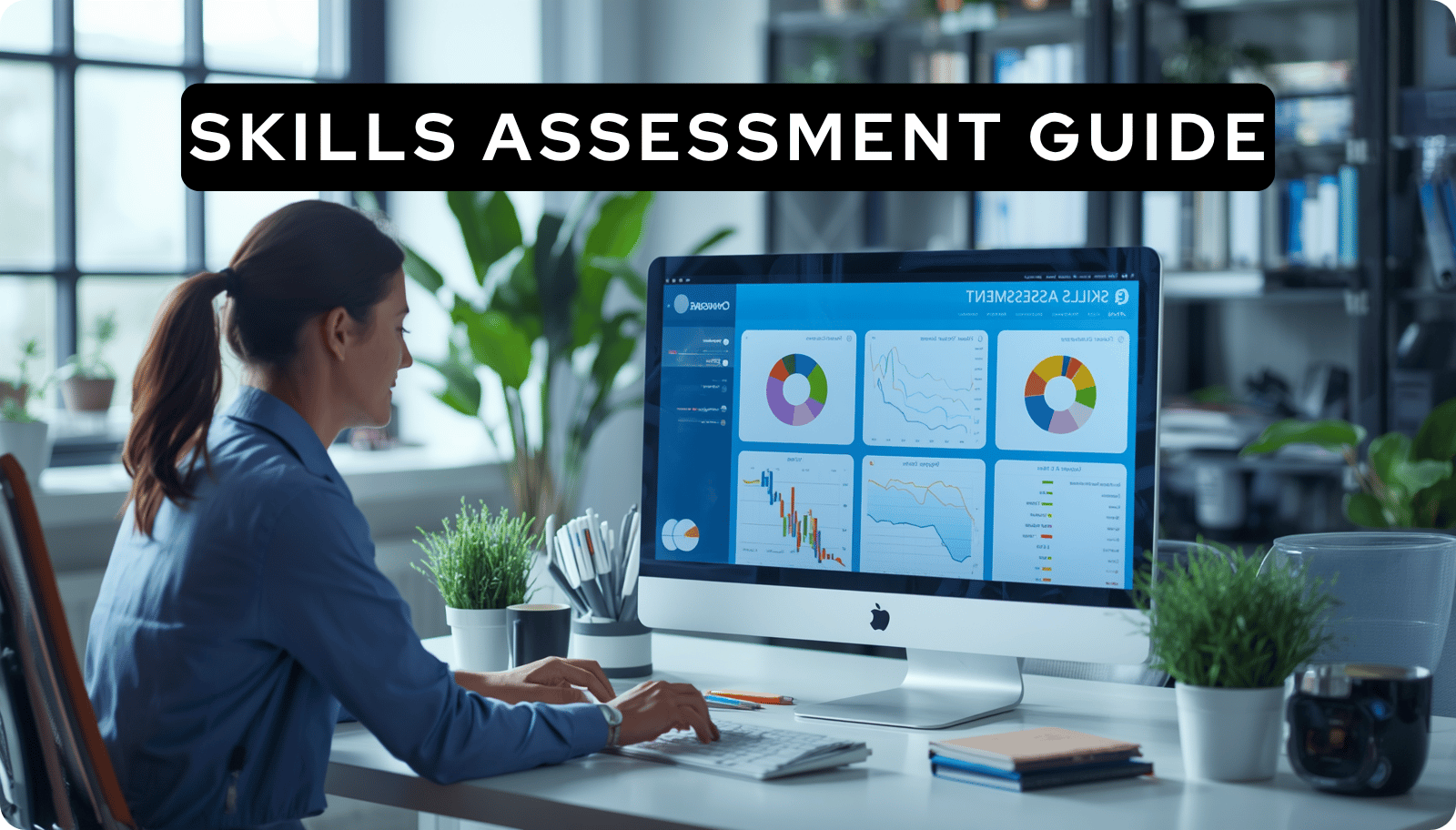
Why Skills Assessment Has Become a Hiring Priority Hiring teams are not struggling because they lack candidates. They are struggling because traditional hiring signals no longer predict performance reliably enough. A polished resume does not guarantee execution. Strong interview performance does not always translate into strong on-the-job performance. And as hiring volumes grow, these gaps […]