
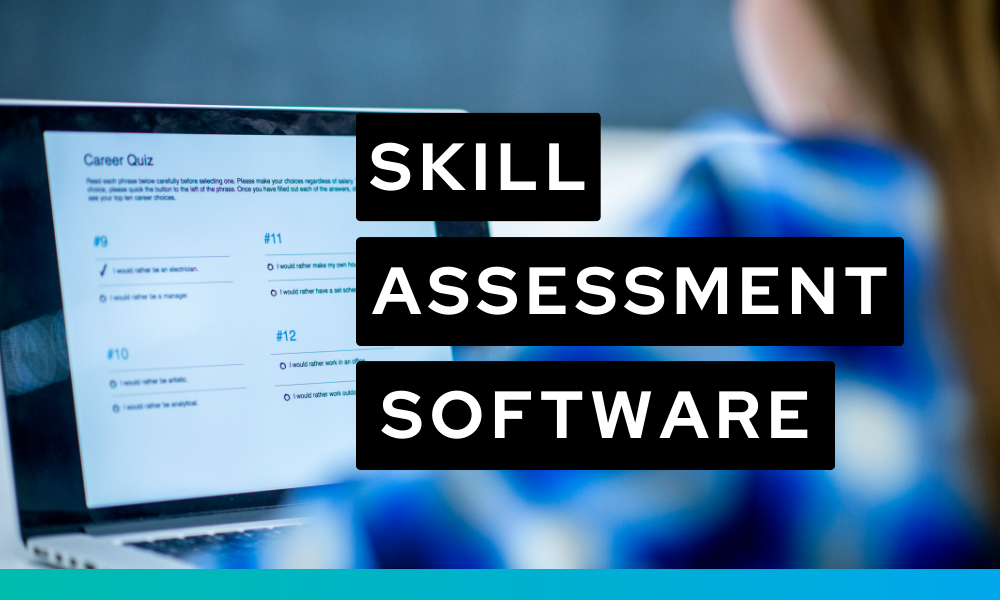
Make talent quality your leading analytic with skills-based hiring solution.
Skill assessment software is a tool that tests candidates on the actual skills a job requires, using online tests, simulations and structured questions, then scores the results so recruiters can compare candidates fairly. It replaces resume guesswork with evidence and moves only qualified candidates to interviews.
Resumes tell you what a candidate says they can do. A skill assessment shows what they can do. This guide explains how the software works, the main test types, the features that matter, and how Glider AI Skill Assessment Software fits into a hiring process.
Skill assessment software lets hiring teams build, send and score tests that measure job relevant abilities. Tests can cover technical skills like coding or cloud configuration, functional skills like accounting or customer support, language ability, and behavioral traits.
The software handles the work around the test: question libraries, scheduling, proctoring, automatic scoring and reporting. Results flow into the applicant tracking system so recruiters can act on them.
| Assessment type | What it measures | Typical roles |
|---|---|---|
| Technical tests | Knowledge and applied skill in specific technologies | Developers, cloud, data, IT, enterprise software |
| Coding simulations | Ability to complete realistic coding projects | Software engineers, data scientists |
| Job based skill tests | Functional skills for non tech roles | Customer support, sales, finance, operations |
| Behavioral and psychometric tests | Work style, traits and soft skills | Most roles, especially customer facing and leadership |
| Language assessments | Reading, writing, listening and speaking ability | Support, global teams, client facing roles |
Most hiring processes combine two or three types. For example, a support role might pair a job based test with a language assessment.
A large, maintained library saves weeks of test writing. Glider AI covers 250+ technologies and hundreds of non tech roles, with technical assessments for IT and engineering and job based skill tests for functional roles.
Multiple choice tests are fast but easy to game. Look for hands on formats such as coding environments, notebooks, SQL tasks, diagramming and open ended video or text answers. Glider AI supports 35+ interactive question types and 100+ simulations.
AI Proctoring should record tab switching, copy and paste, webcam and screen activity, and flag them for human review. Identity checks should confirm the person taking the test is the person you interview. Our guide on how to prevent online assessment cheating covers this in depth.
Rubrics for open ended answers, human override, and reports that show why a candidate scored as they did.
Language tests aligned to the CEFR framework give consistent, comparable results across regions.
ATS integration, SSO and an API, plus the ability to run thousands of tests at once for high volume hiring.
Buyers should confirm credentials directly. Glider AI holds SOC 2 Type II and ISO 27001 certifications and supports GDPR and CCPA requirements.
For recruiters and hiring managers:
For candidates:
Use these questions in vendor evaluations:
For high volume programs, also review Glider AI for high volume hiring.
Glider AI Skill Assessment Software brings technical tests, coding simulations, job based tests, behavioral assessments and CEFR language tests into one platform, with AI proctoring and identity verification built in. Glider AI is a Findem company, and enterprises, system integrators and staffing firms use it to validate skills before interviews.
It is used to test candidates on job relevant skills before interviews, so recruiters can shortlist on evidence. Some companies also use it to assess employees for training and internal mobility.
Technical skills such as programming, cloud and data; functional skills for roles like support, sales and finance; language proficiency; and behavioral traits.
Usually it speeds the process up, because automated scoring replaces manual resume review and hiring managers interview fewer unqualified candidates.
Candidates generally respond well when tests are relevant, time boxed and clearly explained. Long or unrelated tests reduce completion, so keep assessments close to the actual job.
Yes. Most platforms, including Glider AI, integrate with leading applicant tracking systems so invites and results flow automatically.
No. Skill assessment measures specific abilities needed for a role. Talent assessment is broader and can include personality, potential and culture fit.
Use hands on question types, randomize questions, enable AI proctoring and verify identity. Have a recruiter review flags before making decisions.
Skill assessment software gives every candidate the same fair test and every hiring manager evidence they can trust. See how Glider AI Skill Assessment Software helps your team validate skills, prevent fraud and build stronger shortlists.
Recruiting has always been a field built on learning. Markets shift, candidate behavior changes, and hiring strategies evolve faster than most teams can document. That is one reason the HR podcast format has become valuable for recruiters looking to stay sharp. The best HR podcast for recruiters does more than fill time during a commute. […]
Recruiters often see change before it gets labeled a trend. A shift in candidate expectations. A hiring manager asking for different skills. Questions about AI, flexibility, or internal mobility showing up more often than they did a year ago. That is the future of work arriving in practical form. A strong HR podcast can help […]
Employee engagement is often framed as something that matters after hiring. Recruiters know it starts much earlier. It begins in the way roles are positioned, how expectations are set, and whether candidates are matched to the realities of the job. That is why an HR podcast about employee engagement can be surprisingly valuable for recruiting […]
