
Make talent quality your leading analytic with skills-based hiring solution.
Every hiring process eventually runs into the same problem: too many applicants, not enough time to give each one a full interview. A screening interview solves that problem. It’s a short, early conversation designed to confirm the basics, fit, availability, and qualification, before either side invests in a longer process. Done well, it saves employers time and spares candidates from advancing toward a role that was never going to be a fit.
This guide covers what a screening interview actually is, the different formats it can take, why it benefits both employers and candidates, and how to run one effectively.
A screening interview is a brief, early stage conversation used to confirm whether a candidate is qualified enough to continue to a fuller interview process. It’s designed to filter out clearly unqualified candidates early, saving time and resources for both the employer and the candidate, rather than waiting until a full panel interview to discover a mismatch.
Not every screening interview looks the same. Most hiring teams use one or a combination of these formats:
Technical screening: A brief, focused assessment of core technical skills before a candidate reaches a full technical evaluation or coding interview.
Phone screening interview: A short call, often 15 to 20 minutes, to confirm basics like availability, compensation expectations, and work authorization before investing further.
Video screening interview: Similar to a phone screen but conducted over video, sometimes asynchronously through a one way video interview that candidates complete on their own schedule.
Questionnaire screening: A short set of written questions candidates complete online, useful for high volume roles where even a 15 minute call per candidate isn’t feasible.
The core purpose of a screening interview is to filter efficiently, not to make a final hiring decision. It confirms that a candidate meets the basic requirements of the role, gives both sides a first real impression of each other, and determines whether it’s worth investing further time before a full interview loop begins.
Efficiency in the Hiring Process: Quickly eliminates candidates who clearly aren’t a fit, so full interview time goes only to genuinely qualified applicants.
Cost Savings: Avoiding full panel interviews with unqualified candidates reduces the real, often underestimated cost of a bad or slow hiring process.
Improved Candidate Quality: The candidates who advance past screening are, by definition, a stronger, more relevant pool.
Better Use of Resources: Hiring managers and interview panels spend their limited time only on candidates worth that investment.
Enhanced Candidate Experience: A clear, respectful, well run screening interview leaves a positive impression, even on candidates who don’t advance, which protects employer reputation.
Clarification of Role and Expectations: Candidates get an early, direct sense of what the role actually involves before investing more time.
Initial Impression: A short, low pressure conversation is a real chance to make a good first impression before a longer, more intensive interview.
Feedback and Guidance: Many candidates receive useful early feedback that helps them prepare for later stages, or understand why a role wasn’t the right fit.
Efficient Use of Time: A 15 to 30 minute screening call is a far smaller time investment than a full interview loop, especially valuable for candidates juggling multiple applications.
Preparation for Future Stages: Candidates walk away better informed about what to expect if they advance, reducing surprises later in the process.
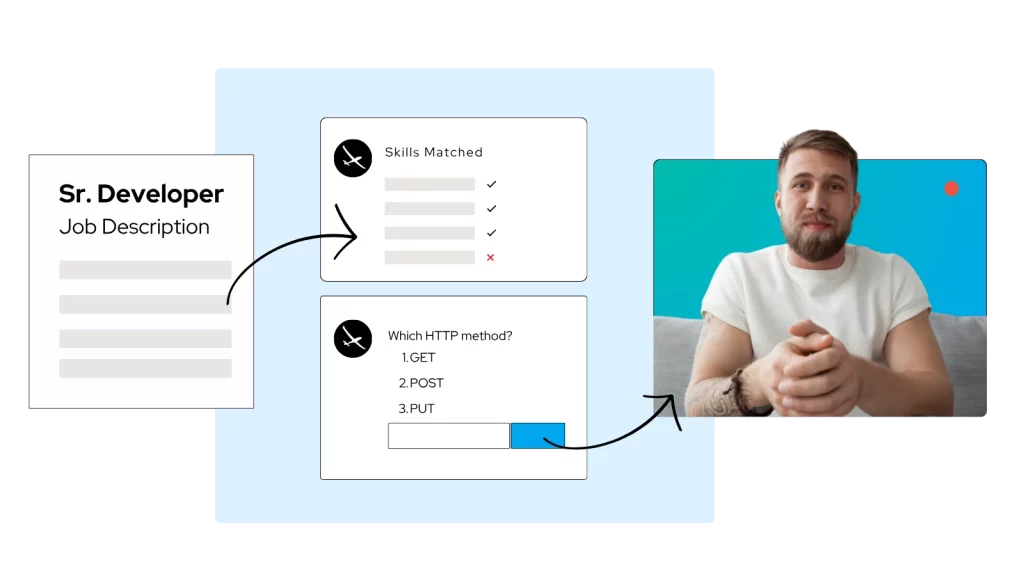
Prepare thoroughly: Review the resume and role requirements before the call, not during it.
Ask relevant questions: Focus on what actually determines fit for this specific role, not a generic script.
Be consistent: Ask every candidate a similar core set of questions so comparisons are fair.
Take detailed notes: Memory fades fast across a day of back to back screens; written notes protect the quality of later decisions.
Communicate clearly: Tell candidates what happens next and roughly when they’ll hear back.
Provide feedback: Even a short, honest note to candidates who don’t advance is worth the small time cost.
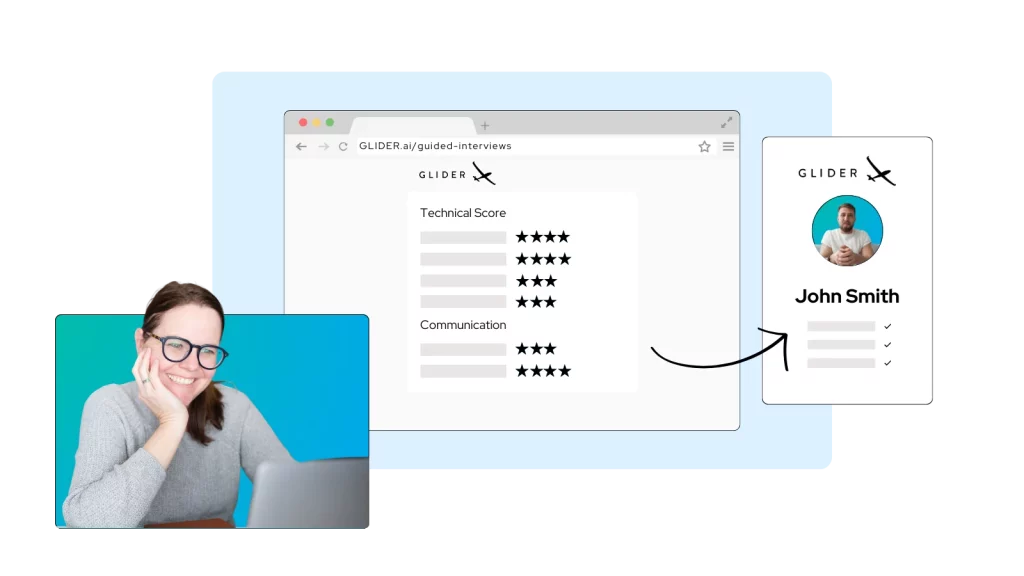
AI powered tools now handle much of the manual load in screening interviews: automated resume screening narrows the pool before a human ever picks up the phone, video interview platforms add scheduling flexibility for both sides, and data analytics give recruiters a clearer, evidence based read on who to advance. The role AI plays in screening interviews specifically has grown well beyond simple scheduling, into actually helping structure and standardize the conversation itself.
A well run screening interview is a small investment that pays off for everyone in the process: employers spend their time on the right candidates, and candidates get clarity faster and with less effort. Treating it as a genuine part of the hiring process, not just an administrative formality, is what separates a screening interview that actually works from one that’s just a box to check.
The purpose of a screening interview is to quickly confirm whether a candidate meets the basic requirements for a role before investing time in a full interview process, saving time for both the employer and the candidate.
Common screening interview questions include asking the candidate to introduce themselves, why they’re interested in the role, their relevant experience, salary expectations, availability to start, and whether they have questions of their own.
Most screening interviews last between 15 and 30 minutes, long enough to confirm fit and qualifications without requiring the time investment of a full interview.
A phone screening interview is one specific format of screening interview, conducted by phone rather than video or written questionnaire. “Screening interview” is the broader category; a phone interview is one common way to run it.
Be clear and specific about your relevant experience, be ready to discuss salary expectations and availability honestly, and show genuine interest in the specific role rather than giving generic answers.
Yes. AI tools can automate resume screening, power asynchronous video screening interviews, and help structure and standardize the questions asked, though most hiring teams still use AI to support rather than fully replace human judgment at this stage.
Recruiters should focus on baseline qualification, communication clarity, and genuine interest in the role, while asking a consistent set of questions across candidates so results are fair to compare.

Global hiring fraud hotspots are the countries and regions where documented candidate fraud and identity verification risk run highest, based on named industry indices rather than assumption. In 2026, that data points consistently in one direction: fraud vulnerability is concentrated in markets with weaker centralized identity infrastructure and fast growing digital hiring volume, led by […]

A synthetic candidate is a job applicant who does not exist as a single real person at all. The persona is assembled, usually by combining stolen or purchased personally identifiable information (PII) with an AI generated resume, an AI generated or composite photo, and an invented work history, into a package that looks, on paper […]

Hiring overqualified candidates is not automatically a mistake, but it is a decision that carries real, well documented risk if the role and the offer are not restructured around it. Recent survey data shows most employers already do this regularly: 70 percent of hiring managers say they typically consider candidates who are overqualified for the […]