


That distinction matters more in hiring than it does in academic testing, where most of this comparison has historically been written. A university exam and a technical hiring assessment share a proctoring problem, but they do not share a business problem. A bad hire that got through by cheating on a coding test does not just fail a grade, it costs real money, team time, and trust in the hiring process.
What Is AI Proctoring in Hiring Assessments?
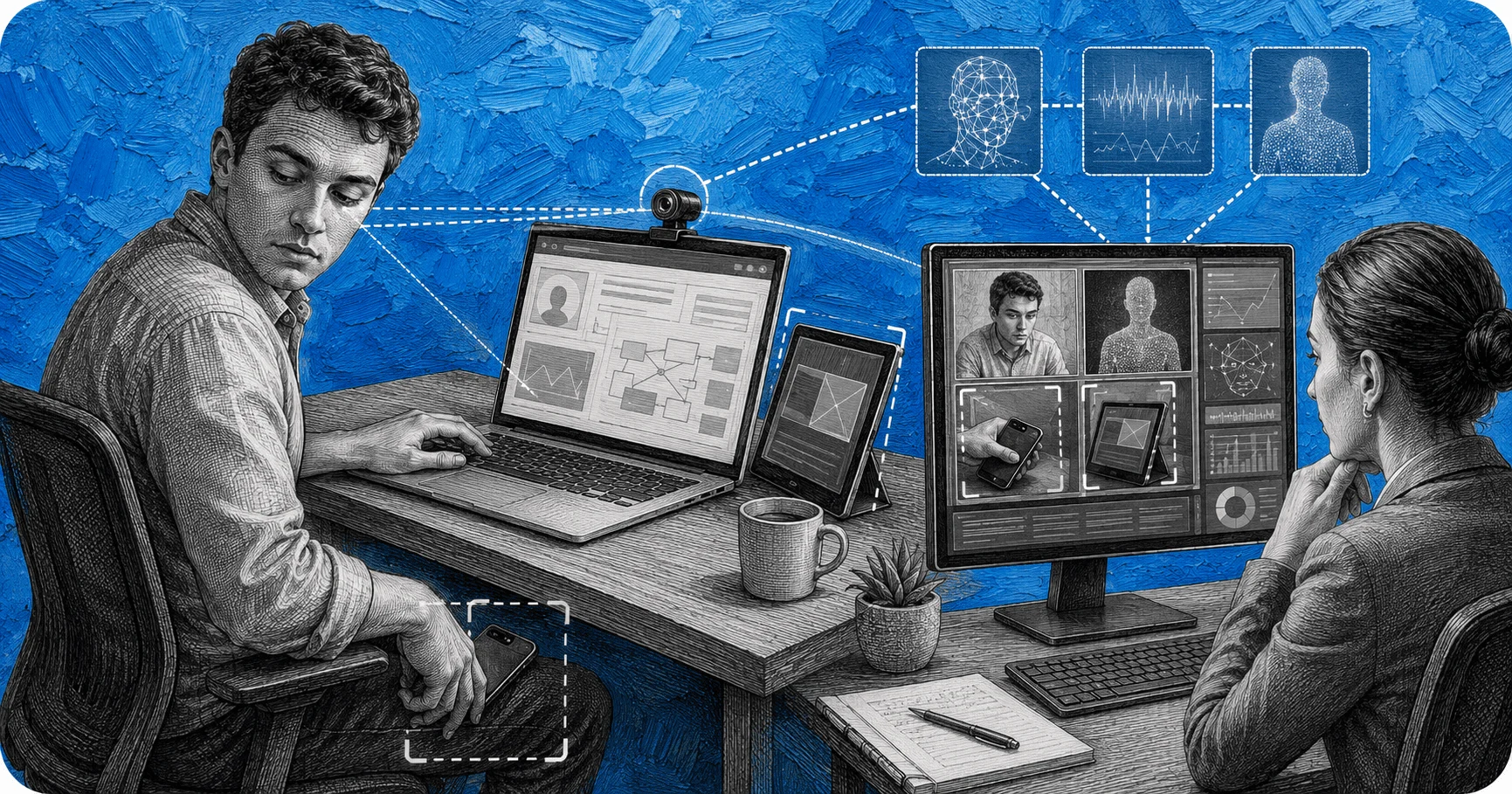
AI proctoring uses automated monitoring, computer vision, and behavioral analysis to watch a candidate during a test without a human watching in real time. In a hiring context, that typically includes webcam and audio monitoring, tab switch and copy paste detection, browser lockdown, screen recording, and a plagiarism check that compares a candidate's answers against known sources and other submissions.
Glider's own AI proctoring platform is a useful reference point for what this looks like in practice, since it monitors candidates across three separate stages rather than just during the test itself. Pre assessment checks confirm location, photo ID, and device permissions. During the assessment, the system tracks internet browsing, external application use, tab switching, clickstream behavior, copy paste actions, screen sharing, facial presence, and room audio for multiple voices. Post assessment, it runs plagiarism comparisons and produces an audit trail with a cheating probability score attached to each candidate, so a recruiter is not left guessing what a flag actually means.
What Is Human Proctoring in Hiring Assessments?
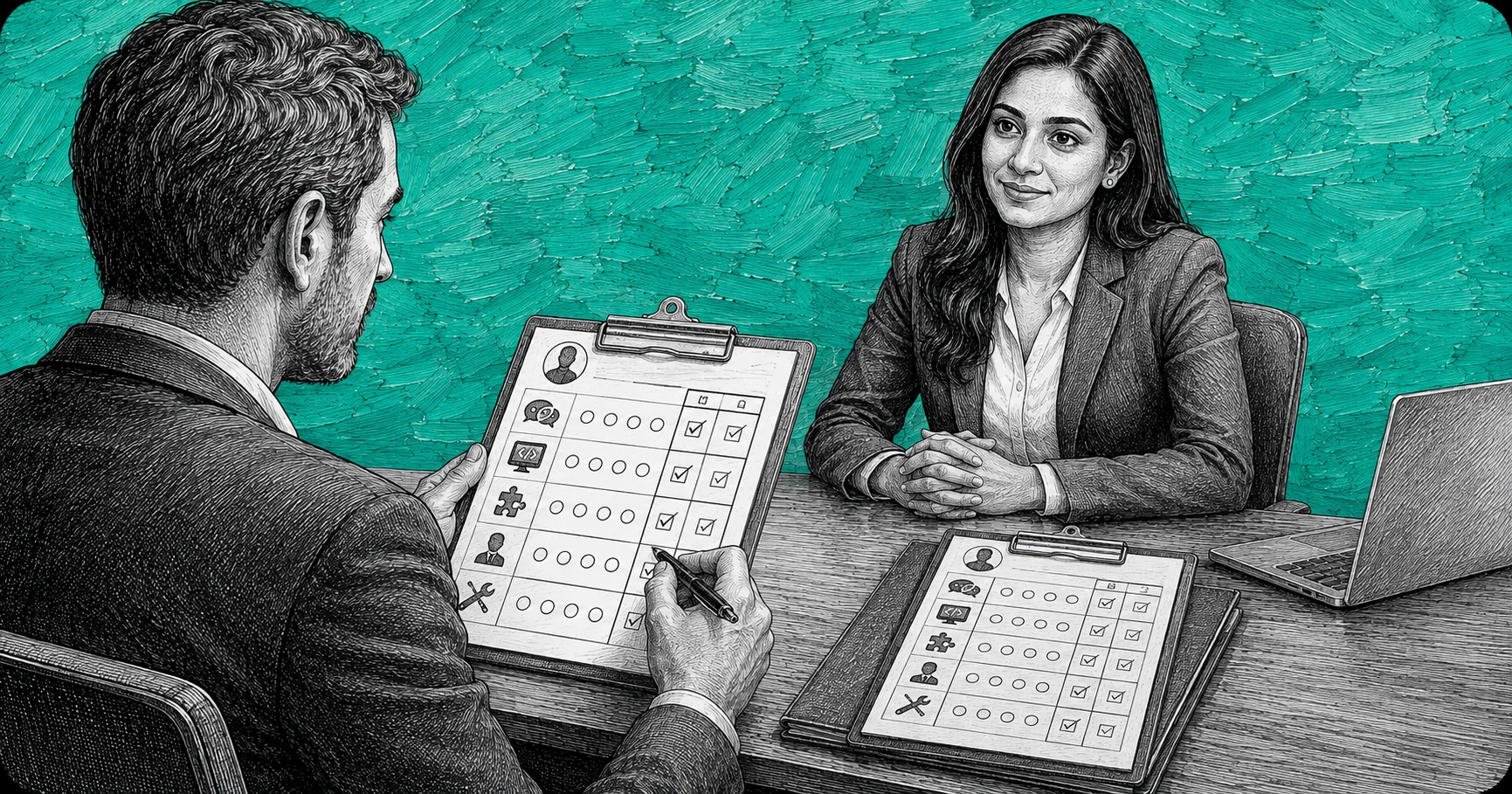
Human proctoring is a live person, watching one candidate or a small group of candidates through video, in real time, exactly the way an in person exam supervisor would. The proctor can ask a candidate to show their desk, clarify a confusing instruction, or make a judgment call about something ambiguous, like a candidate glancing off screen because they are reading the question aloud rather than looking something up.
That real time judgment is genuinely valuable, but it does not scale. A single human proctor can reasonably watch a handful of candidates at once, which is workable for a small executive assessment and unworkable for a hiring pipeline running hundreds of candidates through a screening test in a single week.
AI Proctoring vs Human Proctoring: Which Actually Catches More Cheating?
Across the broader proctoring industry (this comparison originates mostly in academic testing, where the data is more mature), vendor comparisons commonly cite live human proctors missing up to 30 percent of cheating incidents during long exam sessions, largely due to fatigue and divided attention when watching multiple candidates at once. AI proctoring does not get tired and does not divide its attention, which is why it tends to flag a higher raw number of incidents across a large candidate pool.
That does not mean AI proctoring is simply "more accurate." It is more consistent, which is a different thing. AI systems are prone to false positives, flagging normal behavior like looking away to think, a shaky internet connection, or a second person briefly walking through the background as suspicious. A human proctor watching the same moment would likely recognize it as harmless. So the fair framing is this: AI proctoring catches more volume, human proctoring catches better context. Neither one, on its own, catches everything.
Where AI Proctoring Wins for Hiring Teams
- Consistency at scale: every candidate is monitored against the same rules, which also helps with fairness and defensibility if a rejected candidate ever challenges a decision.
- Coverage of technical cheating methods: virtual machines, keyloggers, browser extensions, and screen sharing tools are far easier for software to detect than for a human eye watching a webcam feed.
- Cost per candidate: automated monitoring can run at a fraction of the cost of staffing live proctors, which matters directly for high volume hiring seasons.
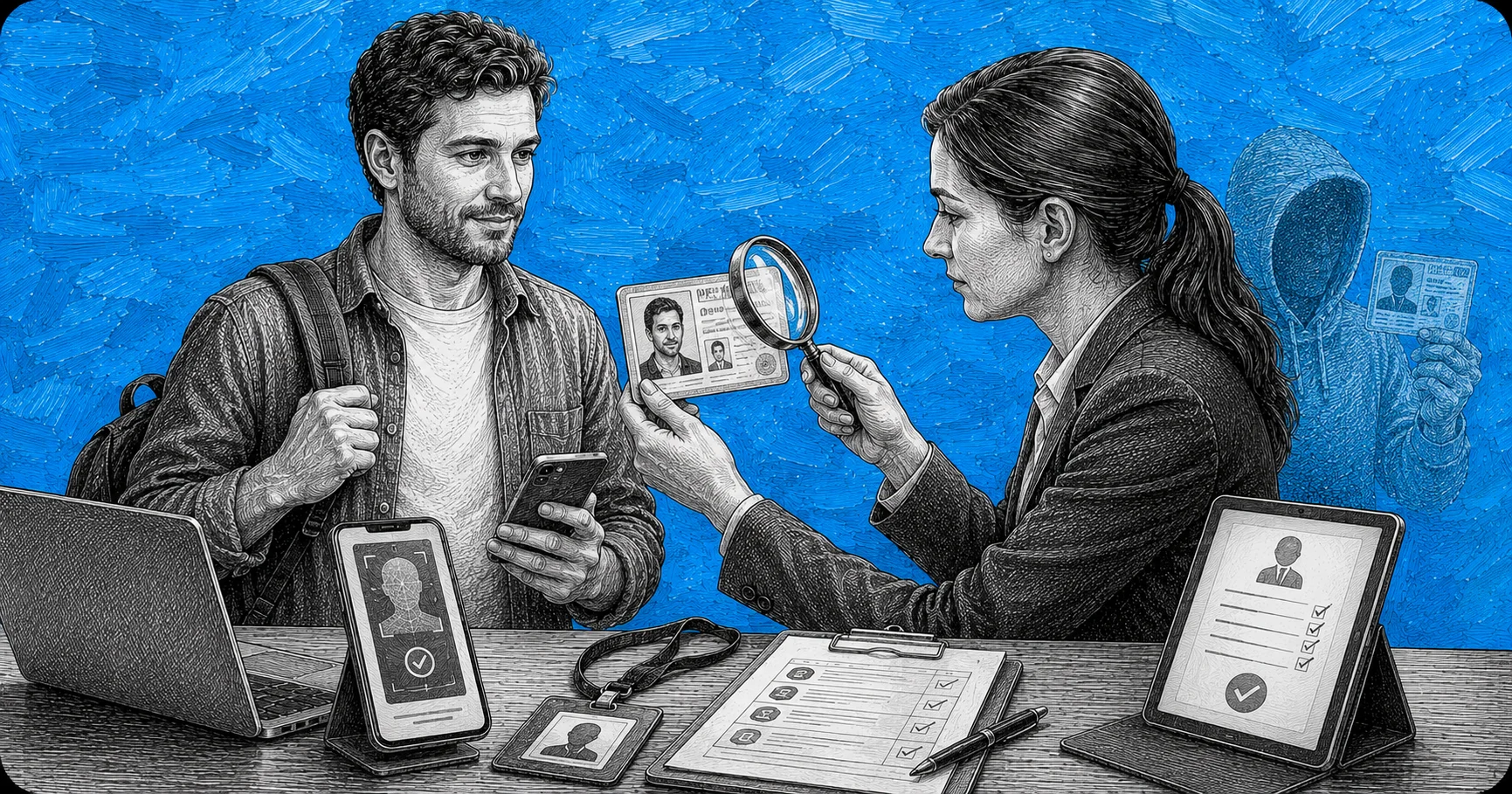
- Detection of newer fraud types: identity impersonation and deepfake candidate fraud are increasingly showing up in remote hiring, and these are exactly the kind of subtle, technical manipulation that automated biometric and identity checks are built to catch, not something a proctor can reliably spot by eye on a video call.
Where Human Proctoring Still Wins
- Judgment in ambiguous moments: a human can distinguish between a candidate cheating and a candidate having a legitimate technical or personal interruption.
- Candidate experience in high stakes situations: for a final round assessment for a senior or executive role, a live proctor who can answer a question or troubleshoot in the moment reduces friction that could otherwise cost glider.ai's client a strong candidate.
- Lower false positive rate for edge cases: because a person can ask a clarifying question instead of just flagging behavior, borderline situations get resolved rather than escalated.
The Cost Difference Between AI and Human Proctoring
Cost is one of the more concrete differences between the two approaches, and it is also one of the main reasons hiring teams lean toward automated monitoring at volume. Industry pricing comparisons put live human proctoring in the range of 30 to 70 dollars per candidate session, while AI proctoring typically runs closer to 1 to 5 dollars per candidate. That gap widens fast once a hiring pipeline is running dozens or hundreds of assessments a week, which is the normal cadence for high volume recruiting rather than the exception.
Can AI Proctoring Be Fooled?
Yes, and any vendor claiming otherwise is overselling. Sophisticated cheating methods, like a second monitor positioned outside the camera frame, a briefly muted earpiece, or increasingly, AI generated identity manipulation during video interviews, can slip past automated detection if a system relies on a single signal. This is exactly why layered detection matters more than any single feature: combining device monitoring, browser lockdown, biometric identity checks, and post test plagiarism comparison closes gaps that any one method alone would miss. Pairing automated monitoring with real identity verification at the start of the process also closes off one of the more common workarounds, someone other than the actual applicant taking the test.
Why Hybrid Proctoring Is Becoming the Default for Hiring Teams
Given that AI and human proctoring fail in different places, it is not surprising that most mature hiring programs are landing on a hybrid model rather than picking one exclusively. A practical version of this looks like automated monitoring and flagging for every candidate, with human review reserved for anything the system flags as high risk or ambiguous, plus any final round or high stakes assessment where a live proctor's judgment is worth the added cost. This gives a hiring team the volume and consistency of AI proctoring without losing the judgment calls a person is still better positioned to make.
What This Means for Recruiters and TA Leaders
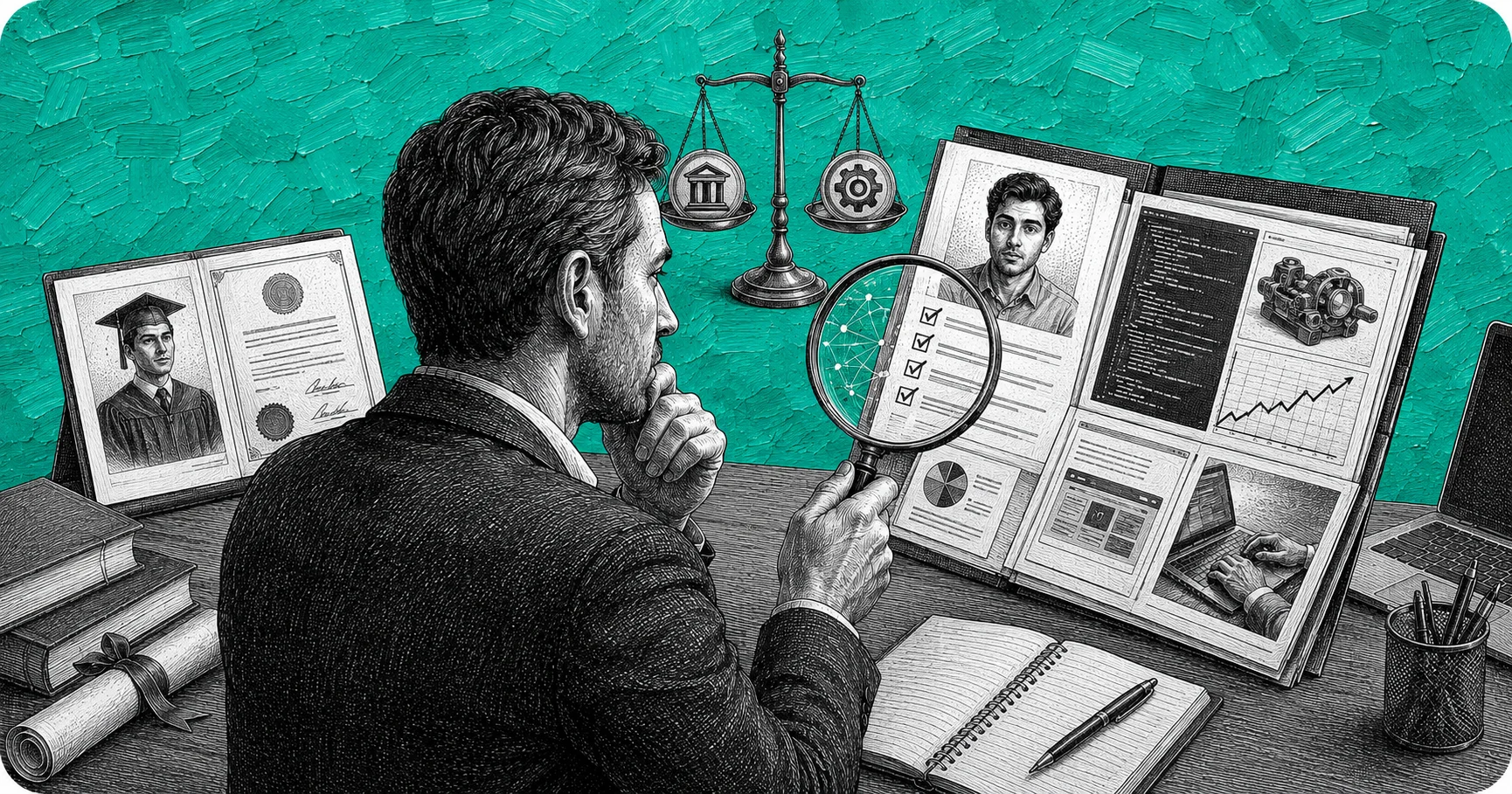
If your team is running high volume screening, AI proctoring should be the default, both for cost and for consistent coverage of the technical cheating methods described in how candidates actually cheat on hiring assessments. If your team is running smaller, higher stakes final round assessments, budgeting for human review of flagged cases, or a live proctor for the final stage, is a reasonable tradeoff. Either way, the goal is not proctoring for its own sake, it is protecting the quality of who actually gets hired, since a candidate who cheated their way through an assessment is a candidate whose real skill level was never actually verified.