

Should your company start using AI powered remote proctoring for interviews? A few benefits make the case:
- More convenient for applicants: candidates can take assessments from home or another preferred location, cutting down on the travel and logistics costs they would otherwise pay out of pocket.
- A broader talent pool: remote proctoring lets you engage with more candidates, including those in distant regions and those with disabilities who may find it hard to visit an office in person.
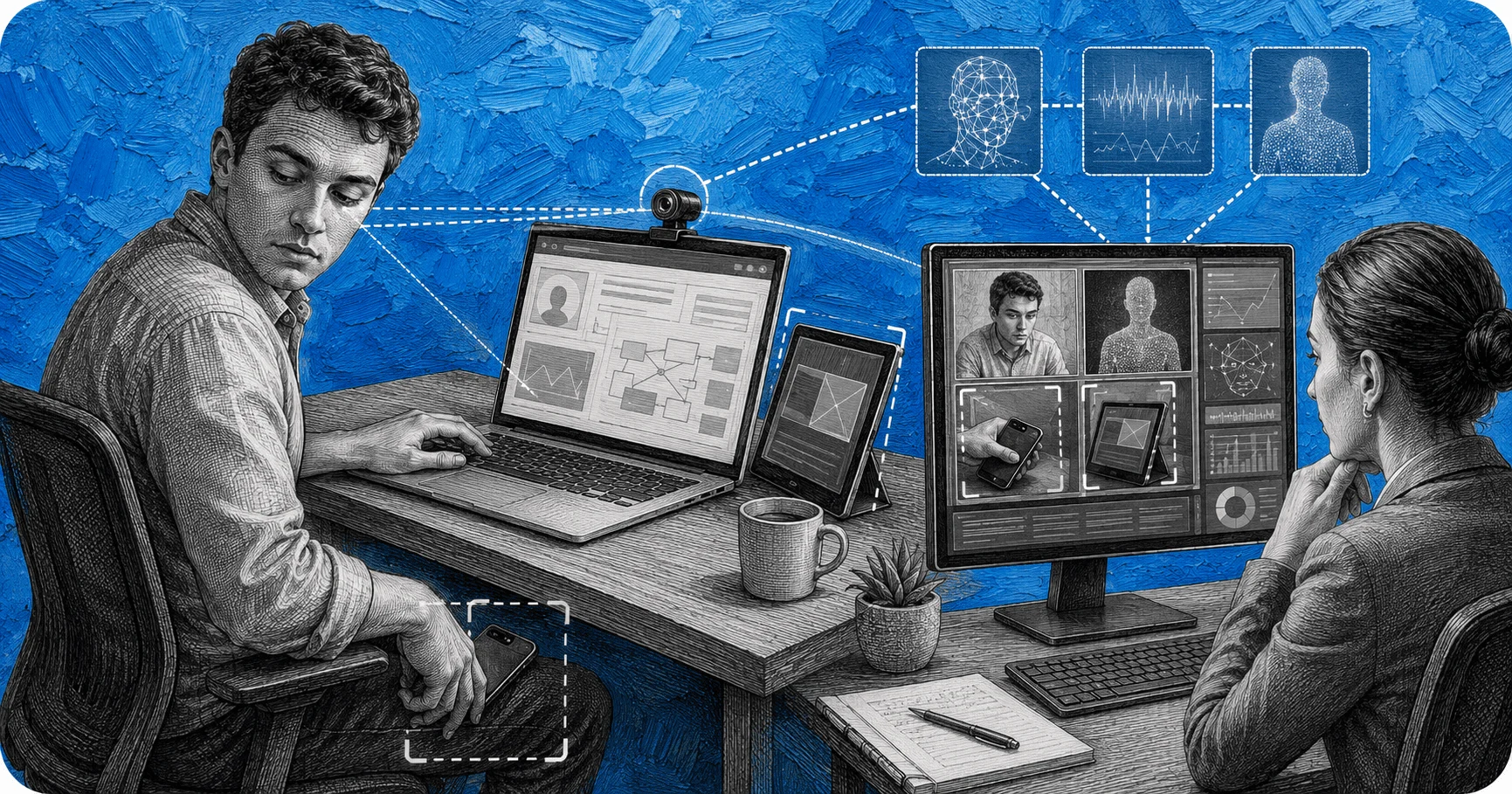
- Better security: sophisticated AI monitoring helps reduce the risk of dishonesty and protects the authenticity of assessment results.
Enhancing Accessibility with Remote Proctoring
AI based remote proctoring is a valuable recruitment tool, but it is important to make sure it is genuinely accessible to every applicant. Because these systems lean heavily on technology with minimal human involvement, they typically require a steady internet connection, plug and play technology, a webcam, a microphone, screen sharing capability, and occasionally hardware add ons such as speech recognition or gaze tracking, along with trained proctors available to provide human oversight when necessary.
Choose a user friendly proctoring platform for everyone, including applicants with visual or cognitive impairments. Provide alternative test material formats and allow applicants to use assistive technologies such as screen readers, text to speech software, or screen magnification tools to demonstrate a genuine commitment to inclusive hiring. Finally, make sure the platform gives clear, straightforward instructions so applicants who need accessibility features can quickly understand how to use the system and get support if necessary.
Ensuring Integrity and Security in Virtual Interviews
Creating a secure and trustworthy virtual interview process depends partly on the platform, but a few general practices help maintain a reliable environment for both employers and candidates.
- Require candidates to run a security scan on their device before the interview begins, to identify potential malware or vulnerabilities.
- Use a secure video conferencing platform with encryption and waiting room features to control access.
- Use multi factor authentication, combining email verification, password, and knowledge based questions, to verify a candidate's identity before the interview.
- Consider facial recognition technology, while making sure it complies with privacy regulations and offers alternative verification methods.
- For technical interviews, monitor candidate activity through screen sharing and recording tools to help prevent unauthorized access to information, and communicate your screen sharing, recording, and external resource policies clearly during the interview.
Streamlining Candidate Evaluation
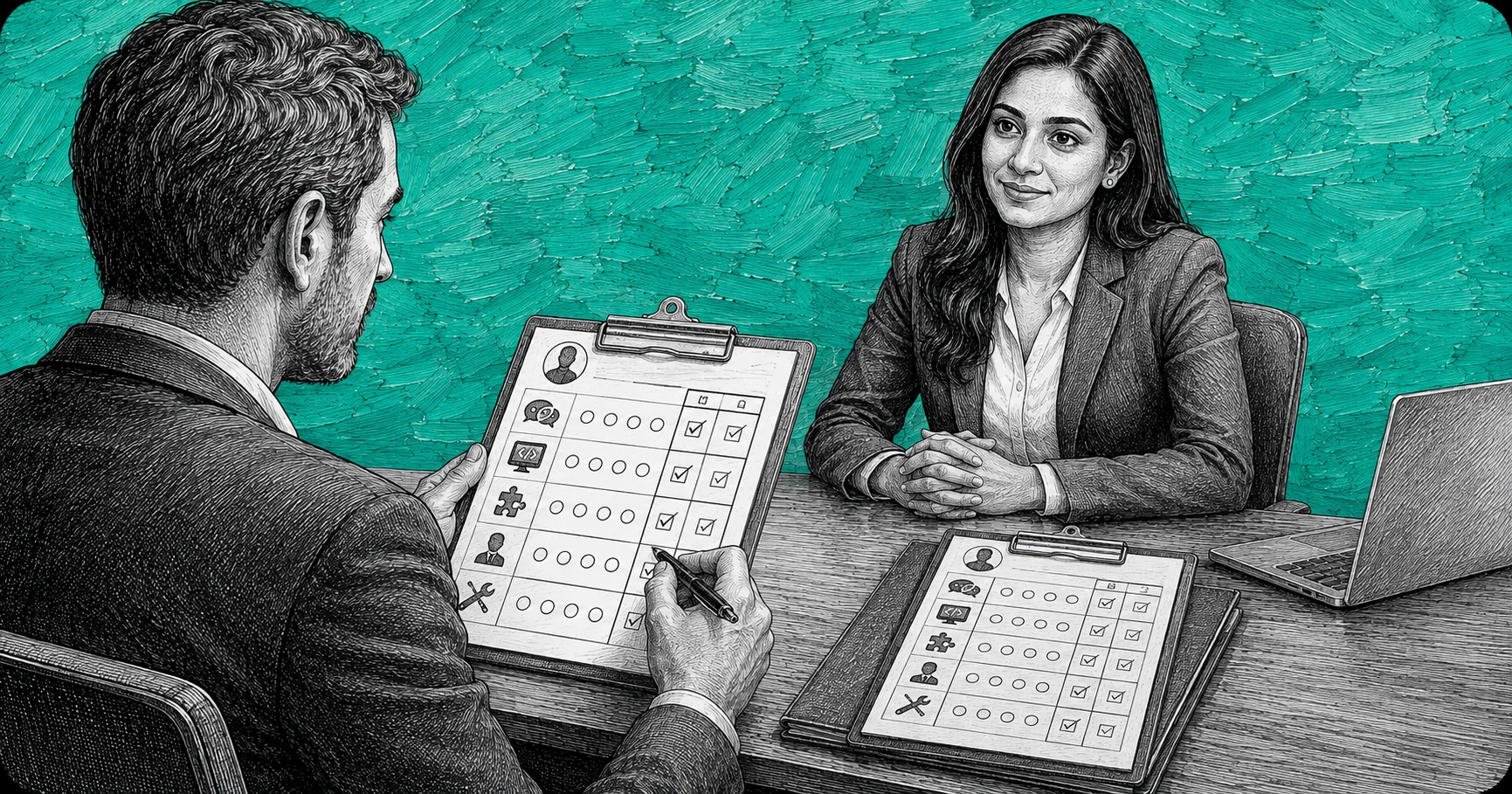
Remote proctoring can also make candidate evaluation more efficient. Choose a platform that can automatically schedule interviews and that provides a consistent testing environment, minimizing the effect of external factors on an applicant's performance. Proctoring software with built in scoring for standardized assessments frees up human interviewers to focus on the qualitative aspects of a candidate's performance rather than administrative overhead.
Facilitating Global Talent Acquisition
Virtual interviewing lets you hire qualified candidates from around the world, tapping into international talent markets to find people with unique skills and experience, which is especially valuable for niche roles where the right professionals may be geographically dispersed. Remote proctoring and virtual interviews also eliminate the travel expense and time constraints that slow down traditional in person interviews, while giving candidates the flexibility to participate from a comfortable, familiar environment, which can reduce interview anxiety and encourage more authentic interactions.
Increasing Flexibility for Candidates and Employers
- Use cloud based platforms accessible from any device to make the process as seamless as possible, and consider integrating scheduling tools so applicants can book appointments easily and time zones are managed automatically, with automated reminders keeping everyone informed.
- Choose a platform that lets you customize settings for different interview types, including which activities are non permissible for a given assessment.
- Favor an intuitive, easy to navigate interface suitable for interviewers and candidates with varying technical comfort, backed by clear instructions, tutorials, and technical support resources.
- Confirm the platform offers encryption, access controls, and secure data storage, that it communicates its data privacy policies clearly, and that it obtains explicit candidate consent for data collection and use during proctoring.
- Look for identity verification features, such as facial recognition that complies with privacy regulations, along with AI based plagiarism checking and other cheating analysis tools that help maintain assessment integrity.
- Train interviewers to run tests and interviews confidently in a virtual environment, and give candidates clear guidance on setting up their testing environment and, where available, access to practice functionality.
Frequently Asked Questions
What are the main benefits of remote proctoring in interviews?
Remote proctoring makes assessments more convenient for candidates, widens the talent pool by removing geographic and accessibility barriers, and strengthens security through AI monitoring that helps protect the integrity of results.
Is remote proctoring secure?
When implemented with encryption, secure video conferencing, multi factor authentication, and clear data privacy practices, remote proctoring can be a secure way to run virtual interviews and assessments.
How does remote proctoring support accessibility in hiring?
A well designed remote proctoring platform supports assistive technologies such as screen readers and text to speech software, offers alternative test formats, and gives clear instructions so applicants with disabilities can participate fully.
Does remote proctoring help with global hiring?
Yes. Virtual interviewing and remote proctoring remove travel costs and time zone friction, making it easier to evaluate candidates from other countries and regions, particularly for specialized or hard to fill roles.
What should employers look for in a remote proctoring platform?
Look for strong identity verification, encryption and data privacy controls, a user friendly interface for both interviewers and candidates, customizable settings for different interview types, and built in scoring or analytics to support consistent evaluation.
How Glider AI Can Help You Run Secure Remote Interviews
Glider AI's AI proctoring platform combines identity verification, facial recognition, and advanced cheating analysis with an accessible, easy to use candidate experience, so your hiring team can run secure, consistent remote interviews at any scale.