

The Growing Threat of Candidate Identity Fraud in Hiring
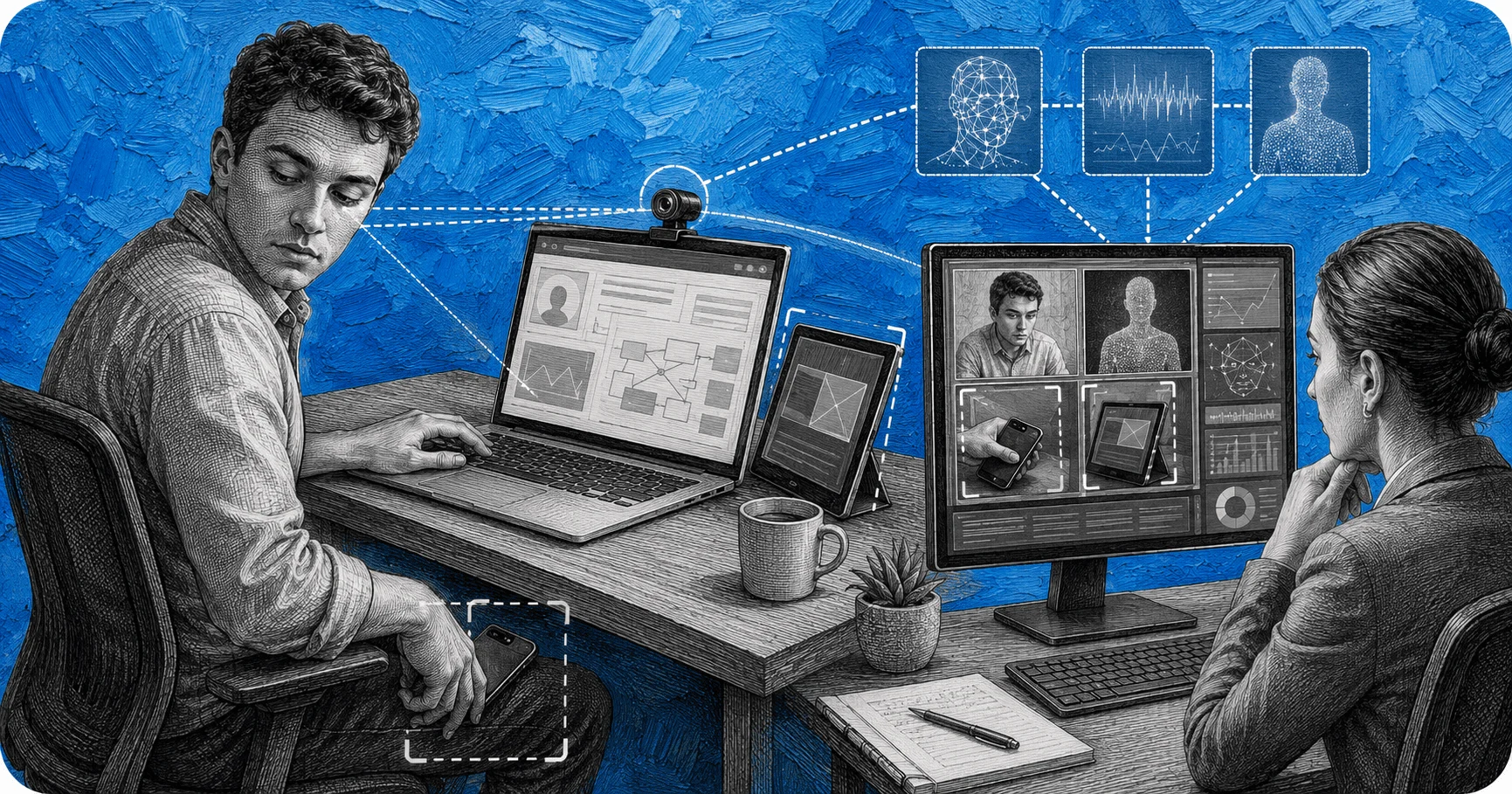
Recruiting teams across staffing, technology, healthcare, and financial services are reporting more attempted impersonation, credential swapping, and interview to hire mismatches, where the person who interviews is not the person who shows up for the job. The financial and security stakes are significant. A fraudulent hire can expose sensitive systems, violate sanctions and export control rules, damage client trust for staffing firms, and create legal liability for the hiring company. Yet many organizations still rely on hiring workflows that were designed for a world where identity fraud was rare, not a scaled, tool assisted threat.
Background Checks Are Not the Same as Identity Checks
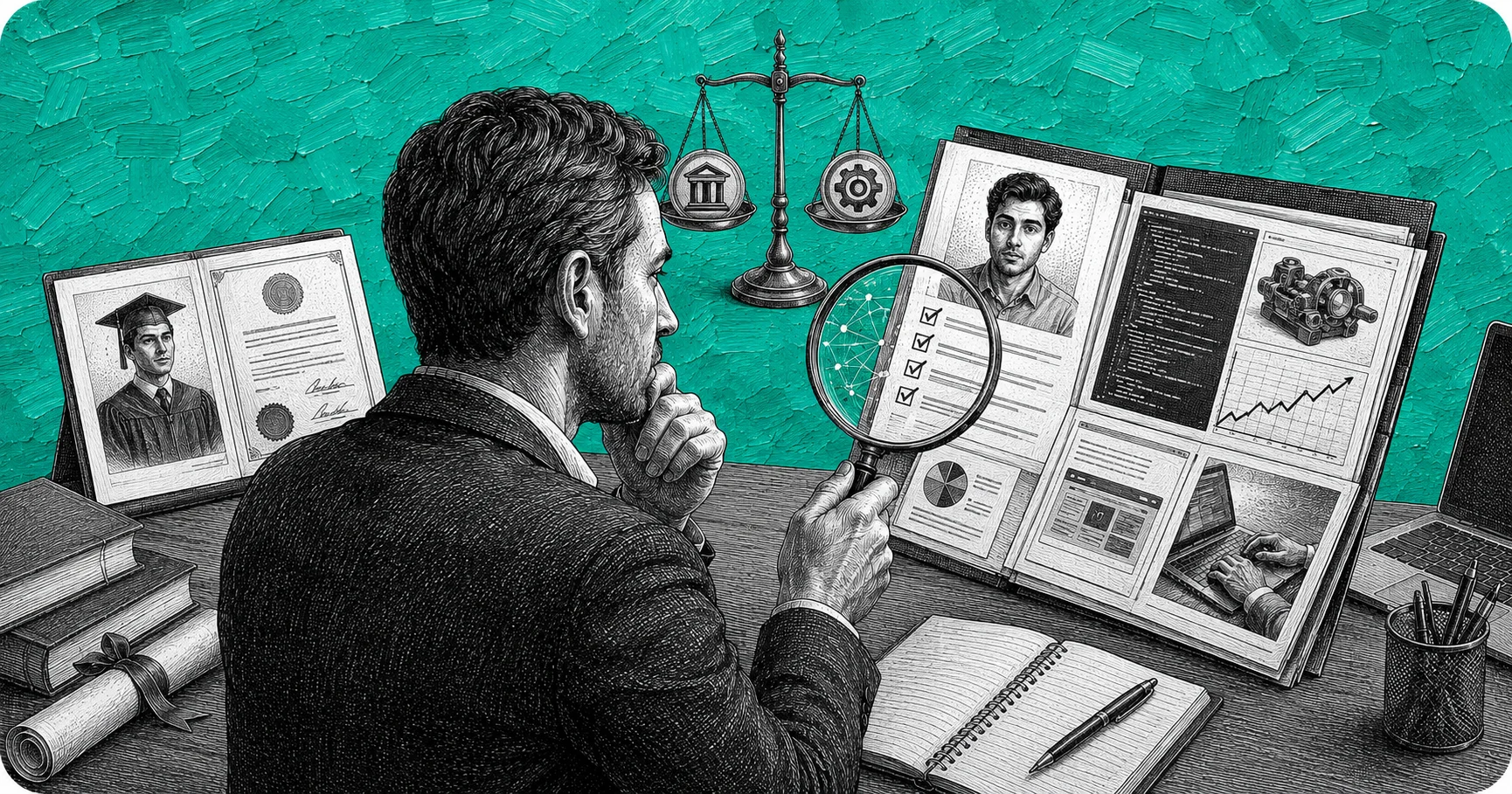
A common misconception is that a background check already covers this risk. It does not. A background check confirms facts about a person's history, such as employment dates, education, or criminal record, but it does not confirm that the person sitting in the interview is the same person those records belong to. Background checks are also typically run late in the process, sometimes after an offer has already been made, and they rarely repeat throughout onboarding.
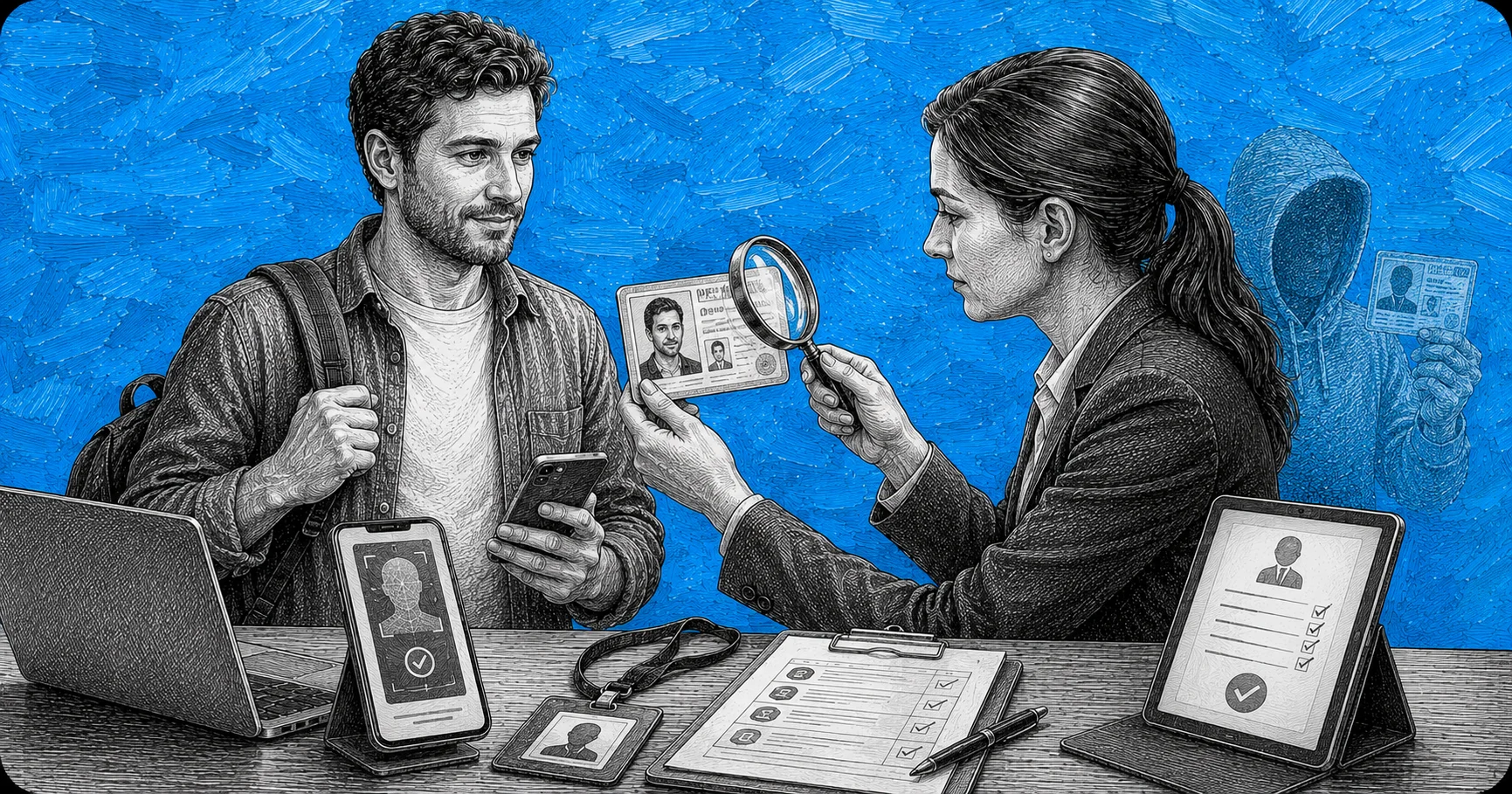
Identity verification asks a different, more fundamental question: is this candidate really who their resume and application say they are, right now, at this stage of the process? Closing that gap is the specific job of a purpose built identity verification solution, and it is why identity checks and background checks should be treated as separate, complementary steps rather than one substituting for the other.
How ID Verify Confirms Who Is Really on the Other Side of the Screen
ID Verify by Glider AI was built to answer that question before, during, and after the interview to hire process. Rather than checking a candidate once at the start, ID Verify validates identity at multiple checkpoints, so a hiring team can catch impersonation whether it happens at application, interview, or final onboarding.
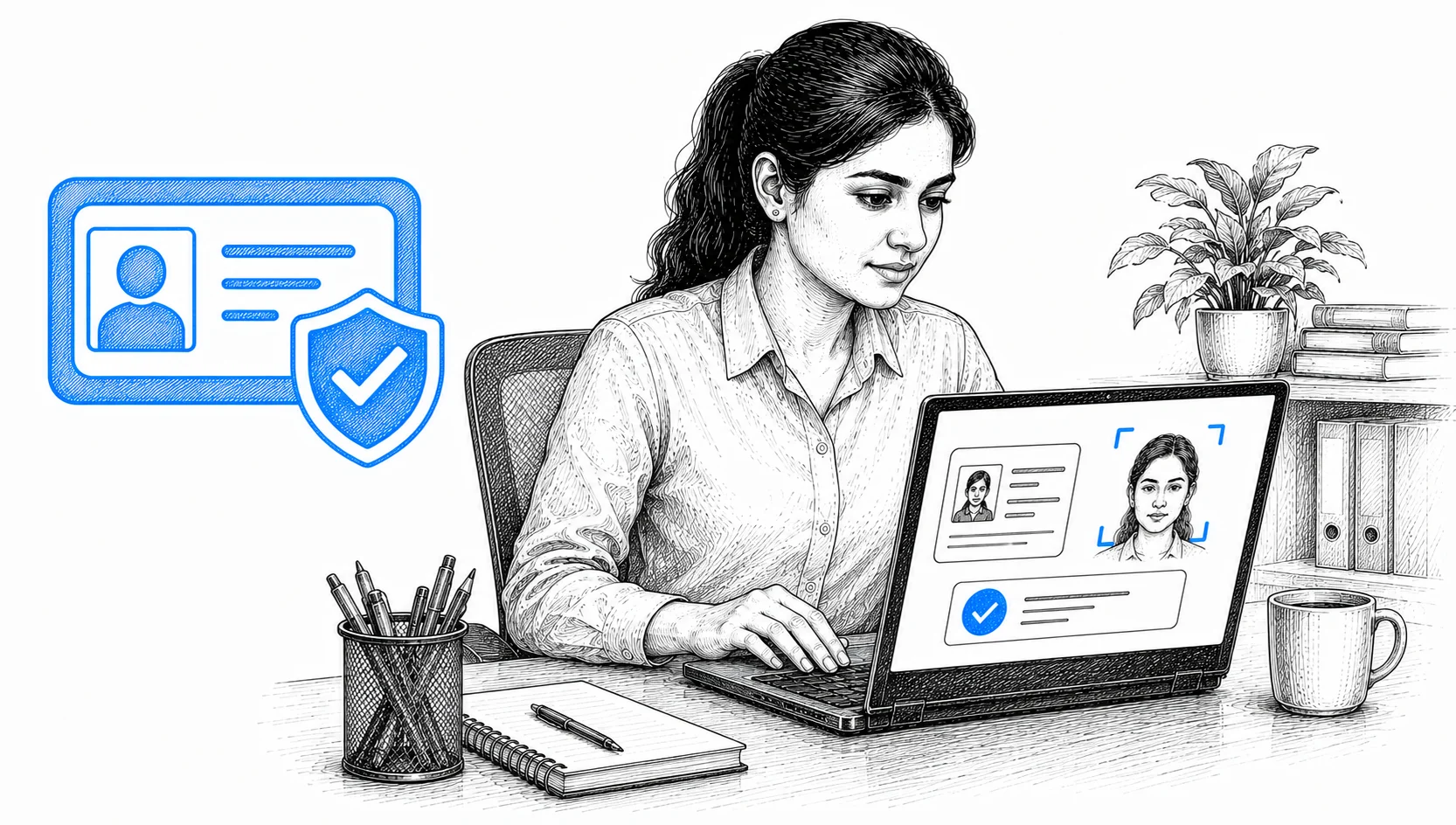
At a high level, ID Verify combines document verification, biometric matching, and liveness and deepfake detection. Candidates present a government issued ID, which the system checks for authenticity against document databases spanning more than 150 countries. A live selfie or short video is then matched against that document using facial recognition, and the system screens for signs of digital manipulation, including AI generated faces, face swaps, and other deepfake techniques that a human reviewer could easily miss. Because the checks run in real time and plug into the existing applicant tracking and interview workflow, recruiters get a clear pass or flag without adding friction to the candidate experience.
This layered approach matters because fraud tactics keep evolving. Glider AI's own research into deepfake technology and candidate fraud found that AI generated video and voice tools have made proxy interviewing far more convincing than it used to be, which is exactly why identity checks need to be continuous rather than a single gate at the top of the funnel.
Key Capabilities
- Real time identity document verification across 150+ countries
- Biometric face matching between a candidate's ID and a live selfie or video
- Liveness detection and deepfake screening to catch AI generated or manipulated video
- Checkpoints at application, interview, and offer or onboarding stages
- Integration with existing applicant tracking systems and interview tools, including Glider AI's own AI proctoring environment, so identity and exam integrity are checked together
- Audit ready records that document when and how each candidate's identity was confirmed
Why This Matters for Recruiting and Talent Teams
For high volume recruiters and staffing firms, the benefit is straightforward: fewer fraudulent hires reach the payroll, and the ones that slip through are caught faster. Staffing firms placing contractors across many clients carry outsized reputational risk if a fraudulent worker is placed at a customer site, and enterprise talent teams face similar exposure when a role involves access to code, financial systems, or customer data.
Verified identity also protects candidates themselves, since a hiring process that can prove who was interviewed is a hiring process that can defend its decisions if a dispute ever arises. Finally, catching a mismatched identity before an offer is extended is dramatically cheaper than untangling the aftermath of a fraudulent hire, which can include security incidents, wasted onboarding costs, and legal review.
What to Look For in a Candidate Identity Verification Solution
Not every ID check is built for hiring. When evaluating a solution, look for:
- Coverage across the document types and countries your candidate pool actually uses
- Genuine liveness and deepfake detection, not just a static photo comparison
- The ability to verify identity at more than one point in the process, not only at the start
- Fast turnaround so verification does not slow down time to hire
- Clean integration with your applicant tracking system and interview or proctoring tools
- Clear audit trails for compliance and dispute resolution
- A provider that treats candidate data with the same privacy discipline it expects from its customers
Identity Is Now Part of the Security Perimeter
Hiring used to be a talent problem. Today it is also a security problem, and the two are converging fast. Treating identity verification as a core part of the hiring stack, alongside skills assessments and interviews, is quickly becoming standard practice rather than an extra step.
For a closer look at how ID Verify handles rollout, consent, and data questions, see the ID Verify FAQs. Teams evaluating broader fraud prevention across enterprise hiring programs can see how identity verification fits alongside proctoring and skills validation in a single, connected workflow.