

Why skills based hiring needs an integrity layer
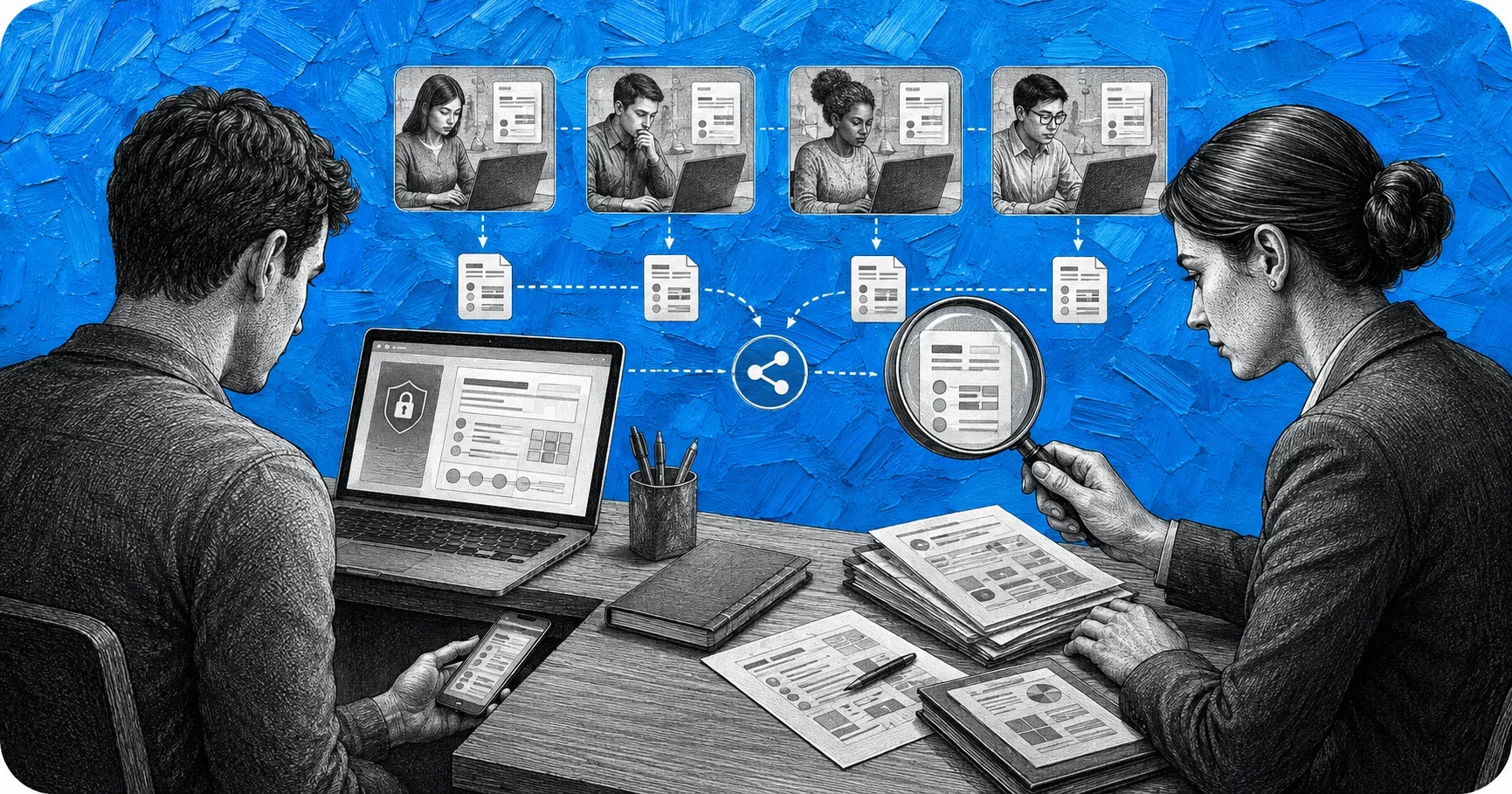
Moving assessment online made skills based hiring faster and more accessible. It also made it easier to game. Remote tests can be taken by someone else, answers can be copied from another tab, and AI tools can produce convincing responses in seconds. When that happens, the assessment score stops measuring the candidate.
The cost lands on hiring managers. They interview candidates who looked strong on paper and on the test, and find a gap in the first conversation. Worse, some of those candidates get hired. A mis hire costs recruiting time, onboarding effort, team productivity and often a second search for the same role.
An integrity layer protects the whole investment in skills based hiring. Without it, you are back to trusting claims, just in a different format.
Common forms of assessment malpractice
- Impersonation, where another person takes the test or the interview
- Proxy help, where someone in the room or on a call feeds answers
- Tab switching and copy and paste from search results or AI tools
- Use of a second device or screen
- Shared or leaked questions
- Code copied from public sources or other candidates
How to build a skills based hiring process
- Define the skills that predict success in the role with the hiring manager, and write them down
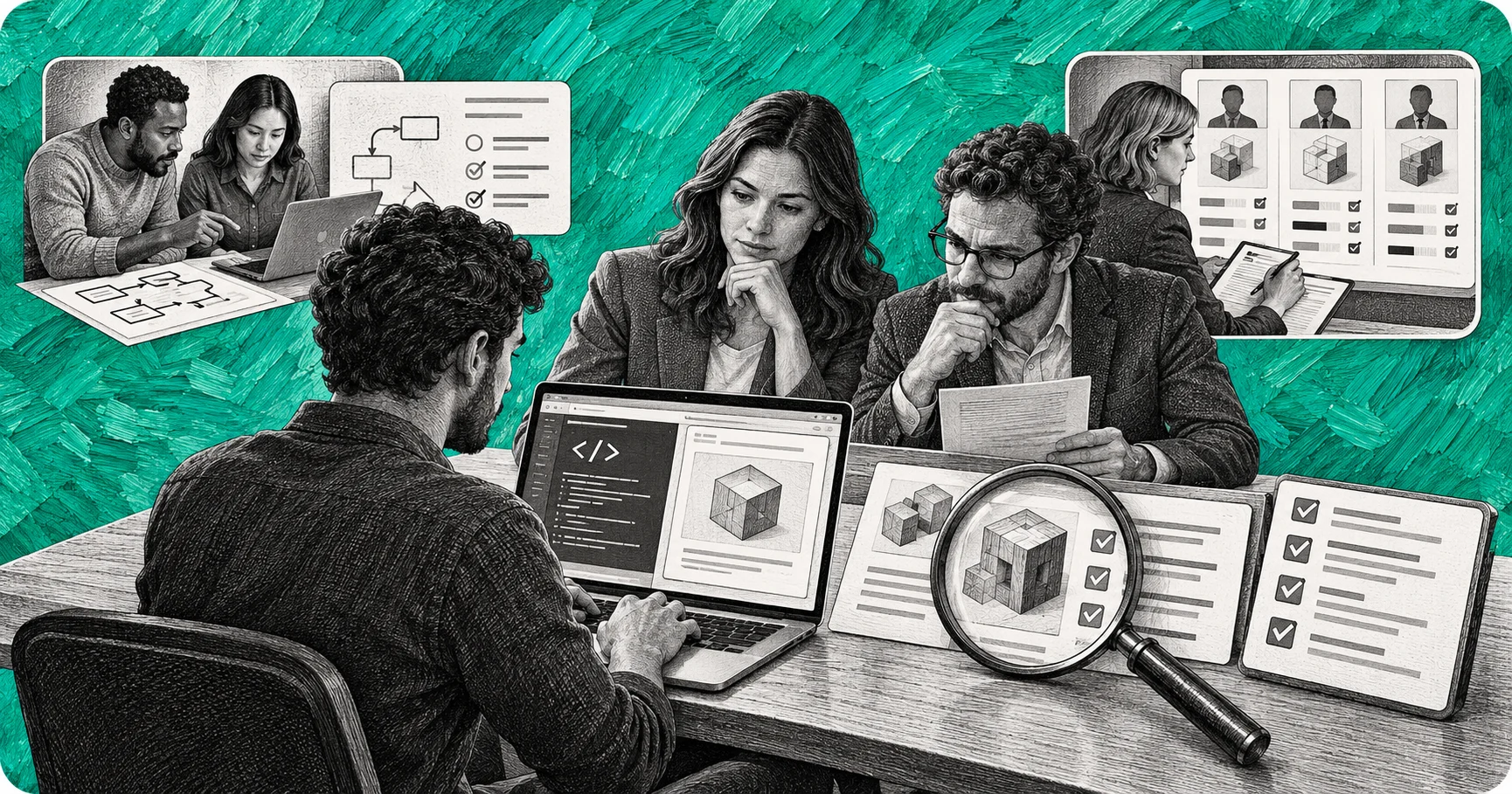
- Choose assessment formats that mirror the work: technical tests, coding simulations, job based tasks, structured video interviews
- Set a scoring rubric before the first candidate starts
- Add integrity checks proportionate to the role, from identity confirmation to full proctoring
- Review flags as evidence, with a person deciding, not as automatic rejections
- Share skill reports with hiring managers so interviews focus on depth, not basics
Integrity checks across the assessment lifecycle
| Stage | What to check | Why it matters |
|---|---|---|
| Before the assessment | Photo ID, live selfie, location and IP, device and microphone permissions | Confirms identity and a fair setup |
| During the assessment | Tab switching, copy and paste, outside apps, multiple faces or voices, looking away | Detects outside help in real time |
| After the assessment | Cheating probability score, code plagiarism check, duplicate candidate check, video analysis | Gives reviewers evidence to act on |
| Across stages | Same person from assessment through interviews and onboarding | Stops a switch between interview and start date |
How AI proctoring supports skills based hiring
Proctoring is not about catching candidates out. It makes results trustworthy enough that hiring managers rely on them, which is what lets skills based hiring replace resume screening.
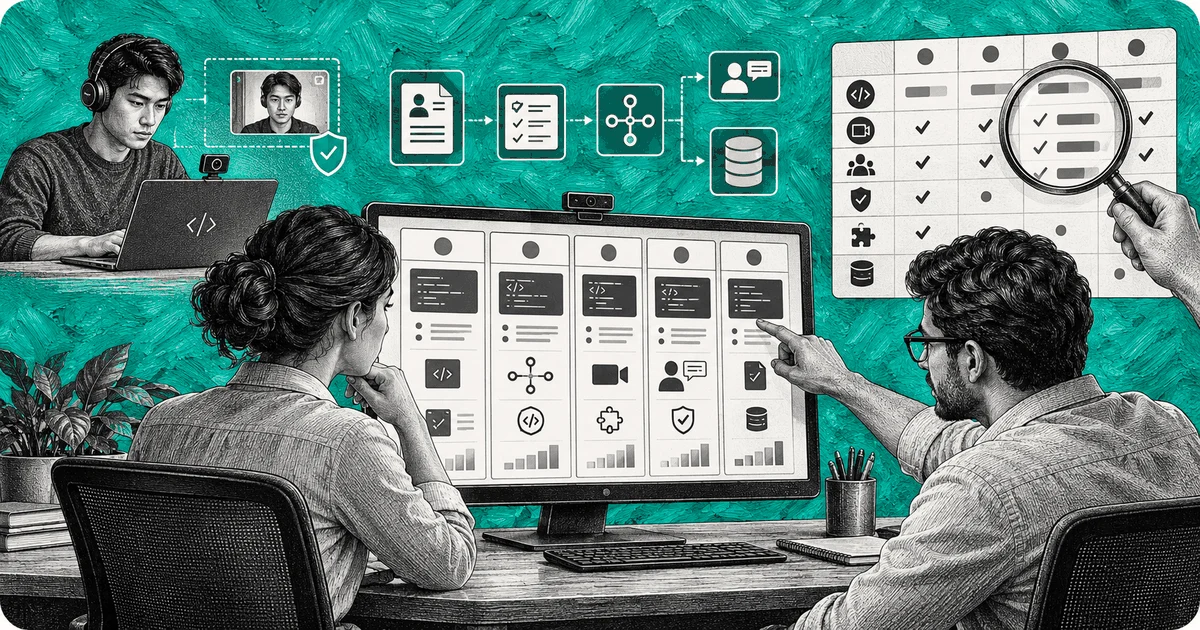
Glider AI, a Findem company, offers AI Proctoring with 50+ checks across the assessment lifecycle. Candidates consent before monitoring begins. During the session, device and camera alerts flag browsing, tab switching, copy and paste, screen sharing, looking away and multiple faces. Visual impersonation detection, lip sync tracking, deepfake detection in video and human voice detection address newer fraud patterns. After the session, each candidate gets a report covering competency and integrity, so the hiring team decides whether to proceed.
For identity across the full process, ID Verify helps confirm the same person moves from assessment to interview to onboarding. Assessments themselves come from the skill assessment software, which covers technical and functional roles.
Keeping people in the decision
Technology should strengthen judgment, not replace it. Flags are facts for a recruiter or hiring manager to review alongside the recording and timeline, and the final hiring decision stays with the hiring team. A clear policy on how flags are reviewed, and who signs off, keeps the process fair to candidates and defensible to auditors.
For more on structuring evaluations, see the Talented blog and the skill test library.
Frequently asked questions
What is skills based hiring?
Skills based hiring evaluates candidates on demonstrated, job relevant skills rather than degrees, job titles or resume keywords. It uses tools such as skills assessments, work simulations and structured interviews, scored against a consistent rubric, to decide who moves forward.
How do you implement skills based hiring?
Agree on the skills that matter for each role, choose assessments that mirror the real work, set a rubric before testing, add integrity checks such as identity verification and proctoring, and share skill reports with hiring managers so interviews focus on depth.
How do you prevent cheating in online assessments?
Combine identity checks before the test, monitoring during it and analysis afterward. Useful checks include photo ID and selfie matching, tab and copy paste tracking, camera and voice detection, plagiarism checks and duplicate candidate detection. Reviewers should treat flags as evidence and make the final call.
What is AI proctoring in hiring?
AI proctoring monitors a remote assessment or interview, with the candidate’s consent, for signs of outside help or impersonation. It tracks device activity, camera and audio signals, then produces a report with flagged events so the hiring team can review the evidence before deciding.
Does skills based hiring reduce bad hires?
It can, when the assessments reflect the job and the results are trustworthy. Testing real work before interviews filters out candidates who cannot yet do the job, and integrity checks make sure the strong scores belong to the people you hire.
Is AI proctoring fair to candidates?
It is fair when candidates know what is monitored, give consent, and have flags reviewed by a person rather than rejected automatically. Glider AI asks for consent before monitoring and positions its assessment and proctoring tools against EEOC, ADA and GDPR guidelines.
Make your skills evidence trustworthy
Skills based hiring is only as strong as the assessment behind it. See how Glider AI Proctoring verifies identity and integrity across every assessment and interview, so your hiring managers can act on the results with confidence.